Why 60% of Americans Are Worried About a Disaster, but Only 15% Feel Very Prepared
A bad storm, a long power outage, a wildfire or a flood can turn an ordinary day into one of fast decisions. Where does everyone go? Is there enough drinking water? Can someone get their medication? What happens if the power stays off for days, or the roads close? Most of us understand that emergencies happen. The harder part is turning that understanding into a plan you can actually use.
Part of our American Preparedness Statistics 2027 report.
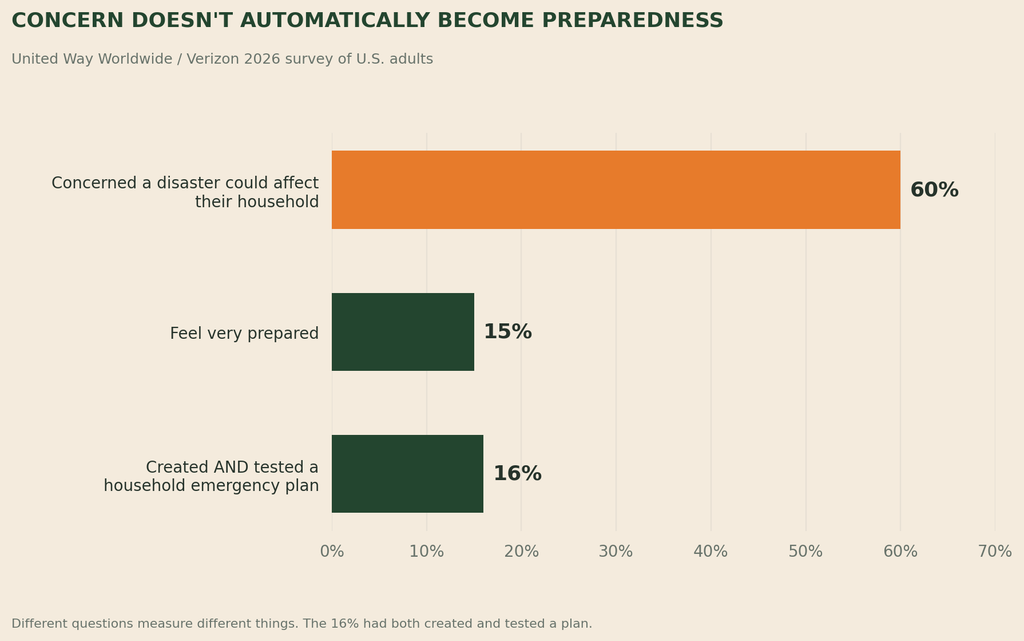
A 2026 national survey conducted for United Way Worldwide and Verizon found that 60% of U.S. adults were concerned a natural disaster could affect their household within the next year. Yet only 15% described themselves as very prepared, and just 16% had created and tested a household emergency plan. Those numbers show the gap between seeing a danger and being ready for what it leaves behind, and they raise a fair question: what does being prepared actually mean, and what can you do when money, time, or know-how gets in the way?
The answer usually is not to buy more equipment. It is to understand what your household leans on every day, figure out what could become a problem during a disruption, and make a few arrangements before those needs turn urgent.

What the Preparedness Gap Actually Looks Like
The United Way survey gives us a few ways to look at readiness. Sixty percent of people were concerned about a disaster, 15% felt very prepared, and 16% had both created and tested a household plan. Those figures measure different things, but together they draw a clean line between being worried, feeling confident, and taking a practical step.
The survey was conducted online by KRC Research from July 20 through August 7, 2026. It included 3,700 U.S. adults: a nationally representative sample of 3,000, plus an extra 700 from West Virginia, Nevada, and Arizona, with that regional oversample weighted back into the national results.
One finding is worth sitting with: 84% of people had not both created and tested a household emergency plan. That does not mean they have no plan at all. Some have talked it over but never written it down; others wrote one but never practiced it. The survey measures the two together, creating and testing, and that distinction matters. Knowing your family should leave during a certain emergency is not the same as knowing where you will all meet, which road to take, how to reach each other, or what to grab on the way out. A plan nobody has discussed or run through can leave the important questions open at the worst possible moment, when everyone is stressed and the clock is short.
Preparedness Involves More Than Supplies
FEMA’s 2024 National Household Survey adds another angle. More than half of respondents believed they could stay home for more than three days without running water or electricity, and the share dropped as the time stretched out. For example, 34% said they could manage more than a week without running water, and 17% said they could go more than two weeks.
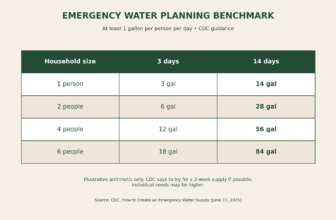
This is why it helps to look past the simple question of whether a household owns an emergency kit. Supplies are a starting point. How long they last, whether they fit everyone under your roof, and what happens when the services you rely on stay down are a different question. A family might have several days of food but almost no drinking water. It might have flashlights but no reliable way to recharge phones. It might have a stocked closet but no way to move a family member who cannot drive. Preparedness is the ability to handle those practical problems, not the number of items on a shelf.
Why People Aren’t Preparing, and What Can Help
The United Way survey named three common obstacles:
- 45% cited cost.
- 28% said they did not know where to begin.
- 25% cited lack of time.
These are familiar, and they feed on one another. Someone who thinks preparedness means a big upfront expense puts it off. Someone who does not know what to buy researches for a while, feels buried, and never starts. A busy family keeps pushing it down the list because something more immediate always comes up. The way through all three is to make preparedness smaller, more specific, and easier to finish.
Cost: Start With What You Already Have
Readiness does not have to begin with an expensive commercial kit. Most households already own useful things: flashlights, batteries, blankets, first-aid items, shelf-stable food, basic tools. The first move is simply to see what you have and what you are missing, so you can prioritize instead of buying a pile of gear that may not fit your needs. A family might start by setting aside drinking water, checking the shelf-stable food, gathering medications and medical information, and making sure everyone knows where the flashlights live. The goal is to get a little more capable, a little at a time.
Not Knowing Where to Begin: Name Your Most Likely Problems
Preparedness lists can be intimidating, because they often run to dozens of items. But not every household faces the same risks. A family in tornado country needs a solid shelter plan and a way to get severe-weather warnings. Someone in a wildfire area needs an evacuation and transportation plan. A household on well water needs to think about what happens when there is no electricity to run the pump. Start by naming the disruptions most likely to reach you, then ask what would happen if electricity, water, transportation, communication, or access to stores and pharmacies were cut off. That gives you a far more useful starting point than trying to buy everything on a general checklist.
Lack of Time: Break the Work Into Small Tasks
Preparedness gets easier when you treat it as an ongoing household habit rather than a project you have to finish in one weekend. One day you gather emergency contact information. Another day you check flashlights and batteries. A later shopping trip adds a few supplies. Small steps also make it easier to share the load: one person organizes medications and documents while another checks the lighting or reviews the evacuation routes. The point is to keep making progress and to revisit the plan now and then.
Preparedness Is More Than an Emergency Kit
Supplies matter, but a household also depends on services and resources it uses every day. A power outage touches far more than the lights. It can interrupt heating and cooling, refrigeration, internet, water pumps, medical equipment, and the ability to charge a phone. A family that runs a medical device on electricity is in a very different spot from one that can coast through a few days without power.
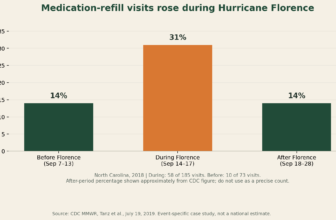
Water is another one. You might have a week of food stored and still be unable to cook, keep clean, or meet basic drinking needs if the water supply goes down. Medications are the same. Someone can have plenty under normal conditions and still hit a wall if the pharmacy closes, the roads flood, or a prescription comes due. None of this is unusual to think about. It is just understanding how your household actually works.
Look at the Needs of Everyone in the Household
A plan worth having accounts for the people who will use it, and that is more than a count of adults and children:
- Older adults: Do they need help with transportation, mobility, communication, or daily care?
- Children: Who picks them up if school closes or the family gets separated?
- People with medical needs: Are medications, equipment, refrigerated supplies, or backup power involved?
- People with disabilities: Are there mobility, communication, sensory, or accessibility needs to plan for?
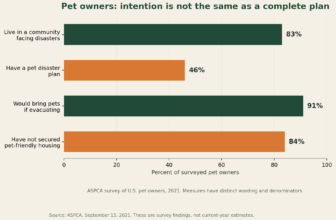
- Pets and service animals: Is there enough food, water, medication, and room to transport them?
- People away for work or school: How will they get alerts and reconnect with family?
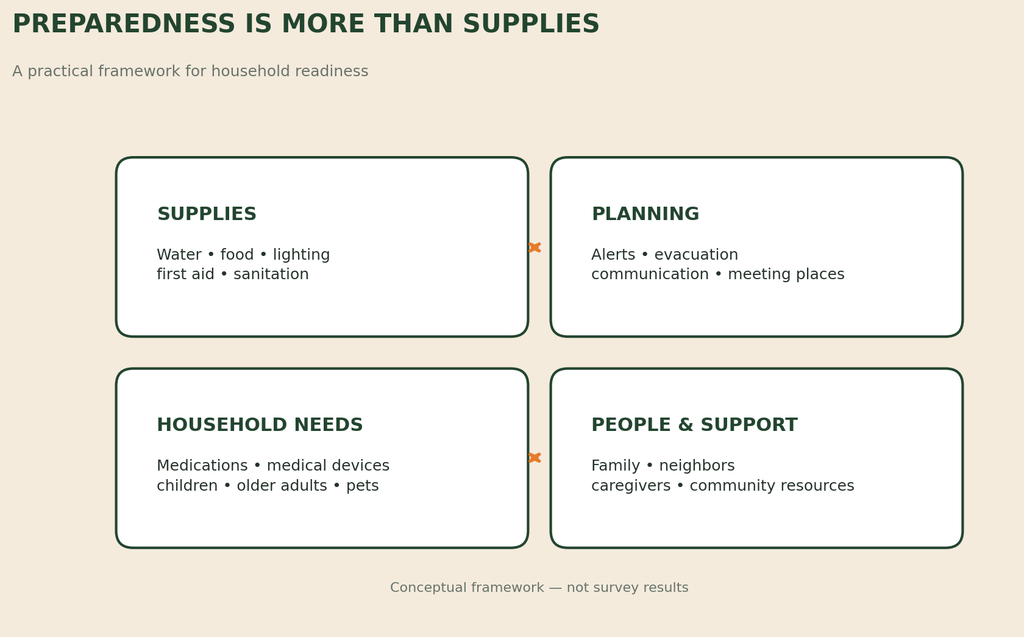
FEMA’s Ready.gov guidance recommends considering household members’ ages, medical needs, prescriptions, equipment, disabilities, pets, school responsibilities, and other daily living needs, and then setting up communication, shelter, and evacuation arrangements and practicing them. That is a real shift in thinking. Instead of asking “what should we put in a kit,” ask “what would each person here need if normal services were gone?” The answer tells you which supplies, arrangements, and backups actually matter.
What Happens When a Household Depends on Outside Help?
Preparedness often gets framed as a solo job, but emergencies rarely hit people in isolation. Family, neighbors, caregivers, and local organizations all play a part. The United Way survey found that 68% of respondents had five or fewer people they could rely on in a crisis. Seventy-three percent said they could lean on family, friends, and neighbors, while 13% reported having no personal network to count on for emergency help.
Those numbers deserve attention, because how well a household rides out an emergency can depend on whether help is within reach. A neighbor can check on an older adult during an outage. A relative can drive during an evacuation. Someone nearby might have a vehicle big enough to move a person who uses a wheelchair, or room to take in the pets when a family has to leave fast. All of it works better when people have talked it through ahead of time.
Build a Support Network Before It Is Needed
A support network does not have to be large or complicated. It can start with a few dependable people who understand each other’s needs and have agreed on how to stay in touch:
- Trade contact information with nearby neighbors.
- Pick someone who can check on family members who live alone.
- Talk through transportation needs before an evacuation is on the table.
- Agree on who can help with children or pets if parents are delayed.
- Share medical or mobility needs when it is appropriate to.
- Name a contact outside the area who can relay messages if local communication goes down.
The idea is not to assume someone else will take responsibility. It is to make reasonable arrangements so people know how to help each other.
Don’t Overlook People Who May Not Have Someone to Call
The 13% who reported no personal network for emergency help are a different challenge. A person living alone, someone new to the area, or someone with limited mobility may have fewer informal options when something goes wrong. This is where community organizations can genuinely make a difference. Neighborhood associations, faith communities, local nonprofits, senior services, and emergency-management programs can connect people with resources before a disaster, not after. A plan that only works for people with family and friends nearby leaves others out.
How to Use This Information to Prepare Your Household
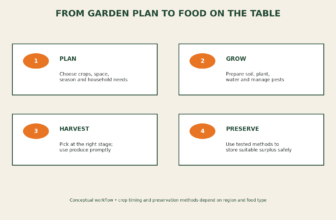
The research gives us a reason to take readiness seriously, but the value is in using it to make decisions. You do not have to solve every possible emergency at once. You need a starting point and a way to keep improving. Here is a sequence that works:
- Name the emergencies that could reach your area. Think about local hazards and the disruptions they cause: severe storms, tornadoes, flooding, wildfire, extreme heat or cold, winter weather, extended outages. Look past the event itself, because roads, electricity, water service, and store access can stay disrupted afterward.
- List what your household depends on. Drinking water and food, electricity and heating or cooling, medications and medical equipment, transportation and fuel, phone service and alerts, childcare and pet care, important documents. For each one, ask what happens if it is gone for a day, three days, or longer.
- Make a communication and evacuation plan. Decide how everyone gets warnings, where you go if you have to leave, and how you reconnect if you are split up. Pick a familiar meeting place, name an out-of-area contact if that helps, and keep key phone numbers written down outside a phone’s contact list.
- Build supplies around real needs. Start with food, water, lighting, communication, sanitation, and first aid, then add what fits the people and animals in your home. Ready.gov recommends customizing for prescriptions, infant needs, pets, important documents, and anything specific to your household.
- Decide who can help, and who may need your help. Name the people you could realistically reach during an emergency, from relatives to neighbors to local organizations, and consider whether someone nearby might need a hand from you.
- Practice and update the plan. Review where supplies live, how alerts come in, where to meet, and what to do if your usual way to communicate is down. Update it when someone moves, a child changes schools, a medical need changes, or a new pet joins the family.
How Communities Can Help Close the Preparedness Gap
The findings reach beyond individual households too. If cost, missing information, and lack of time are the big barriers, then preparedness programs need to take those on directly. A long checklist helps someone who already knows what to do. It does much less for someone who feels overwhelmed and doesn’t know where to start. Community organizations can make readiness more reachable by offering:
- Short introductory workshops focused on a few achievable actions.
- Affordable supply drives or ways to get essential items.
- Clear information about local hazards and emergency alerts.
- Help building communication and evacuation plans.
- Outreach to older adults, people living alone, and people with disabilities.
- Chances for neighbors to meet and talk through how they can back each other up.
FEMA’s 2024 survey found that 71% of respondents expected support from friends or family during a disaster, which only underlines how much both personal networks and community resources matter. Preparedness education also lands better when it points to realistic actions instead of implying every family must buy a mountain of supplies. Someone who learns how to receive local alerts, make a communication plan, and set aside essential water and medications has made real progress. The same goes for employers, schools, and faith communities: helping people understand what to do, and making it easier to do it, lifts readiness across a whole community.
What the Research Tells Us, and What It Doesn’t
The United Way and FEMA findings tell us a lot about how people think about disasters, what they report doing, and what trips them up. But the surveys measure different things, in different years, with different methods. The United Way survey’s 60% concern figure should not be set directly against FEMA’s 30% figure for people who worried about a disaster affecting them in the previous year, because the time frames and wording differ. The same goes for the 15% who felt very prepared in the United Way survey versus FEMA’s measures of preparedness actions or self-sufficiency. Feeling prepared, taking several actions, and being able to stay home through a service interruption are not the same measurement.
FEMA also cautioned that its reported jump in people taking at least three preparedness actions, from 57% in 2023 to 83% in 2024, may reflect changes in the survey instrument, the influence of the COVID-19 pandemic, or other factors, since preparedness actions were assessed differently between 2021 and 2023 than in other years. And these surveys rely on what people say. They do not establish how well a household would truly manage a long emergency, whether the supplies would stretch to every family member, or whether a plan would hold up under pressure. What they do show is clear: a lot of people see the risk, while cost, uncertainty, and time make it harder to act. And readiness is about more than supplies. Planning, confidence, household needs, and access to help all count.
Preparedness Begins Before an Emergency
The gap between concern and readiness is not really about people failing to take disasters seriously. For most, the challenge is knowing what to do first, finding room in the budget, and making the time to work through the details. You do not have to be perfectly prepared to become better prepared. You need to understand your most important needs, make a few practical arrangements, and build on them over time.
Start with the questions that matter most. What would happen if the power went out? How much water do you have? Could everyone get an emergency message? Are the medications and medical supplies accounted for? Who would help if someone needed a ride or a hand? Answering those reveals problems a standard kit cannot solve. The most useful preparation is the kind that fits the people who will depend on it, because it gives them a clearer picture of what to do, what they need, and how to help each other when everyday services and routines are interrupted.
More From the Preparedness Report
- How to Prepare for a Two-Week Power Outage
- Power Outages and Medical Preparedness
- Emergency Communications: Alerts, Radios and Backup Contact Plans
Sources and Further Reading
- United Way Worldwide and Verizon. 2026 National Disaster Preparedness Consumer Survey. Conducted by KRC Research, July 20 to August 7, 2026.
- United Way Worldwide. September 16, 2026 press release and survey methodology.
- Federal Emergency Management Agency. 2024 National Household Survey on Disaster Preparedness Findings.
- Ready.gov. Make a Plan.
- Ready.gov. Build a Kit.