What actually belongs in a go-bag, how to choose a knife or multitool that lasts, and which gear earns its weight, reviewed by people who carry it, not by spec sheet.
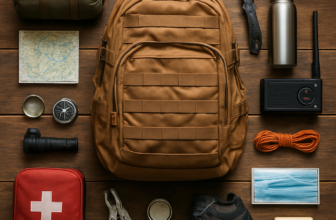
The rule that governs this whole category is weight. A loaded bag at about 20% of your body weight is carryable; anything heavier gets left behind, which makes it useless no matter how good the contents are.
This free woodworking course from Alison teaches joint types, wood properties, measuring, tools, and finishing. Intermediate level, about 1.5 to 3 hours.
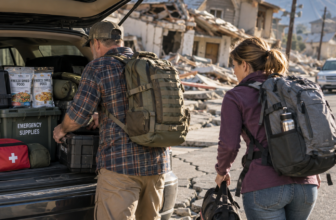
Earthquakes strike without notice, which is exactly why the time to prepare is now. When the ground stops shaking, homes can be left without power, water, and safe roads. An earthquake emergency ...
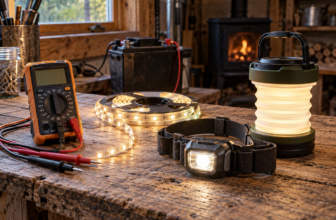
A good off-grid setup does not start with a giant solar array or a plumber's invoice. It starts with a handful of small, cheap tools that quietly solve the problems that actually ruin a day: a leak ...
Most emergencies do not announce themselves. The power blinks out, a road floods, a wildfire warning lands, and suddenly you have minutes, not hours. A bug out bag is preparedness you can grab on ...
The request that starts most bug out bag builds is rarely dramatic. It usually sounds like a spouse saying she would like the household to have an emergency kit and backpacks ready to go. That ...
Finding the best deals on survival and prepping gear isn’t about chasing every flash sale; it’s about credible savings you can rely on. This pillar guide provides a repeatable process to locate ...
What you’ll find in these guides
Packing lists by scenario and household, steel and materials explainers, pack-fitting walkthroughs, and reviews that name the flaws. We test where we can, cite manufacturer specifications where we can’t, and we’re explicit about the difference.
The numbers that matter
• Twenty percent of body weight. The practical ceiling for a bag you’ll carry any distance.
• Denier on pack fabric. Higher numbers are tougher and heavier; 500D to 1000D covers most real use.
• Full tang on a fixed blade. The steel runs the length of the handle — the single best predictor of whether a knife survives hard use.
• Three days. The window a go-bag is built to cover, which is short enough to keep the weight honest.
Where to start
Build the contents first, weigh them, and then buy a pack that fits. Load it, walk with it, and remove what you didn’t miss. Repeat that twice and you’ll have a bag tuned to your household rather than to a checklist written for someone else.
Keep one bag per person, sized to that person. A bag your ten-year-old can carry is worth more than a better bag they can’t. Current gear prices are on our tools and gear deals page.
Sign up for our best daily picks
These guides are general information. Follow manufacturer instructions and local codes for any product you buy. Some links earn Prepping Bargains a commission at no extra cost to you — it never affects what we recommend.
This website uses cookies to improve your experience. We\'ll assume you\'re ok with this, but you can opt-out if you wish.
Read More
Cookies are small text files that can be used by websites to make a user\'s experience more efficient. The law states that we can store cookies on your device if they are strictly necessary for the operation of this site. For all other types of cookies we need your permission. This site uses different types of cookies. Some cookies are placed by third party services that appear on our pages.
Necessary cookies help make a website usable by enabling basic functions like page navigation and access to secure areas of the website. The website cannot function properly without these cookies.
Marketing cookies are used to track visitors across websites. The intention is to display ads that are relevant and engaging for the individual user and thereby more valuable for publishers and third party advertisers.
Preference cookies enable a website to remember information that changes the way the website behaves or looks, like your preferred language or the region that you are in.