How to cook without a kitchen, start a fire when conditions are against you, and heat a space safely when the power’s out — fuels, stoves, and technique explained.
One safety rule outranks everything else in this category: anything that burns fuel belongs outdoors. Carbon monoxide is odorless and kills people every storm season, and it’s entirely preventable.
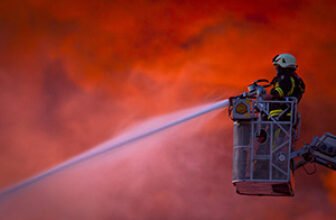
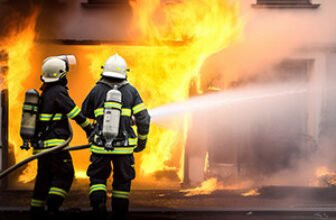
Learn how fire behaves and how it is fought in this free firefighter training course from Alison. Beginner level, about 3 to 4 hours, certificate available.
Learn how fires start, spread, and are prevented in this free fire safety course from Alison. Beginner level, about 3 to 4 hours, certificate available.
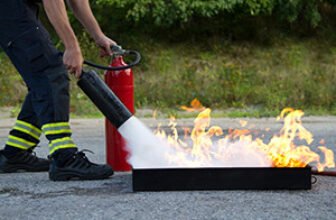
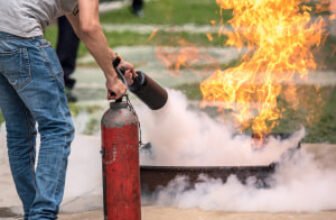
This free fire safety awareness course from Alison covers fire classes, extinguishers, alarms, and evacuation in 1.5 to 3 hours. Certificate available.
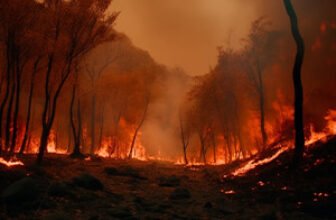
This free wildfire awareness course from Alison teaches fire behavior, property risk assessment, and evacuation planning. Advanced level, certificate available.
This free fire safety training diploma from Alison covers prevention, response, burn and smoke first care, and running safety training. About 6 to 10 hours.
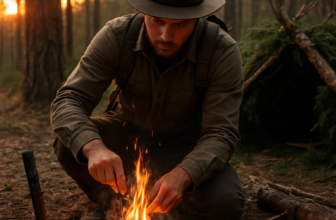
The first time you try to light a fire in a drizzle, you learn fast that confidence and skill are two different things. Bushcraft is where preparedness stops being a shopping list and starts being ...
What you’ll find in these guides
Fuel comparisons, stove reviews, fire-starting technique that works in wind and rain, off-grid cooking methods, and safe approaches to keeping a room warm without power. We cite manufacturer instructions and fire-safety guidance, and we’d rather repeat a safety point than assume it’s obvious.
The numbers that matter
• 40°F. Roughly where butane canisters start to fail. Propane and liquid fuel keep performing in the cold.
• BTUs per burner. Useful for comparing stoves, but wind protection affects real-world boil times more than raw output does.
• Fuel per meal. The number that decides how much fuel to store — calculate from your own cooking, not from a chart.
• Three ignition methods. Lighter, matches, ferro rod. Redundancy costs a few dollars in this category.
Where to start
Own one stove that runs on a fuel you can buy locally, keep a spare tank, and practice cooking a full meal on it before you need to. Add a kettle, one good pot, and a way to light it in the wind.
For heat, close off one room rather than trying to warm the whole house, and use only equipment rated for indoor use. Current stove and fuel prices are on our fire and cooking deals page.
This website uses cookies to improve your experience. We\'ll assume you\'re ok with this, but you can opt-out if you wish.
Read More
Cookies are small text files that can be used by websites to make a user\'s experience more efficient. The law states that we can store cookies on your device if they are strictly necessary for the operation of this site. For all other types of cookies we need your permission. This site uses different types of cookies. Some cookies are placed by third party services that appear on our pages.
Necessary cookies help make a website usable by enabling basic functions like page navigation and access to secure areas of the website. The website cannot function properly without these cookies.
Marketing cookies are used to track visitors across websites. The intention is to display ads that are relevant and engaging for the individual user and thereby more valuable for publishers and third party advertisers.
Preference cookies enable a website to remember information that changes the way the website behaves or looks, like your preferred language or the region that you are in.