Help getting your animals ready for a storm, an evacuation, or a power outage. Building a pet go-bag, storing food and water, keeping ID and records within reach, and staying calm on the road with dogs, cats, and small animals.
One idea runs through all of it: pets are family, and a family plan that forgets them isn’t finished. Plan for at least three days per pet, ideally two weeks.
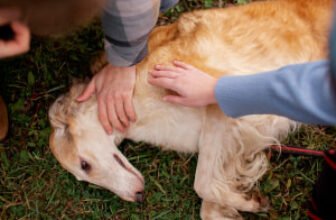
A dog first aid kit has three jobs: protect the person helping, provide limited care, and make it easier to reach a veterinarian safely. It is not a substitute for an examination. Each ...
A factual Nextrition cold-pressed dog food review — how it differs from kibble, how it compares to Purina Pro Plan, plus ingredients, cost, and who should try it.
The leash hangs by the door. The bowl gets filled twice a day, no reminders needed. Your pet is family, and a pet emergency preparedness kit makes sure they are covered the way you would cover a ...
What you’ll find in these guides
Three kinds of articles live in this category. Evacuation and sheltering covers the hard-decision stuff: when to leave, how to travel with anxious animals, and finding pet-friendly shelter ahead of time instead of at 2 a.m. Kit building is the hands-on work. What belongs in a pet go-bag, how much food and water to store, and gear that pulls double duty for camping and the RV. ID and records covers the boring, useful part: microchip details, a current photo of you with your pet, and vaccination papers in a waterproof sleeve.
We write from experience and lean on Ready.gov, the ASPCA, and university veterinary-extension programs for anything involving your animal’s health and safety. We do not give medical or veterinary advice. For your pet’s specific needs, your vet knows your animal and we do not.
One rule worth repeating
Never leave a pet behind. If a place is unsafe for you, it is unsafe for them, and animals left loose in a disaster are rarely reunited with their families. Ten minutes of planning, a carrier by the door, a leash on the hook, records in a bag, is what turns a frightening day into a manageable one.
Sign up for our best daily picks
These guides are general information. Follow manufacturer instructions and local codes for any product you buy. Some links earn Prepping Bargains a commission at no extra cost to you — it never affects what we recommend.
This website uses cookies to improve your experience. We\'ll assume you\'re ok with this, but you can opt-out if you wish.
Read More
Cookies are small text files that can be used by websites to make a user\'s experience more efficient. The law states that we can store cookies on your device if they are strictly necessary for the operation of this site. For all other types of cookies we need your permission. This site uses different types of cookies. Some cookies are placed by third party services that appear on our pages.
Necessary cookies help make a website usable by enabling basic functions like page navigation and access to secure areas of the website. The website cannot function properly without these cookies.
Marketing cookies are used to track visitors across websites. The intention is to display ads that are relevant and engaging for the individual user and thereby more valuable for publishers and third party advertisers.
Preference cookies enable a website to remember information that changes the way the website behaves or looks, like your preferred language or the region that you are in.