How to put food up safely and cheaply — water-bath and pressure canning, dehydrating, freeze drying, and long-term mylar storage, explained without the guesswork.
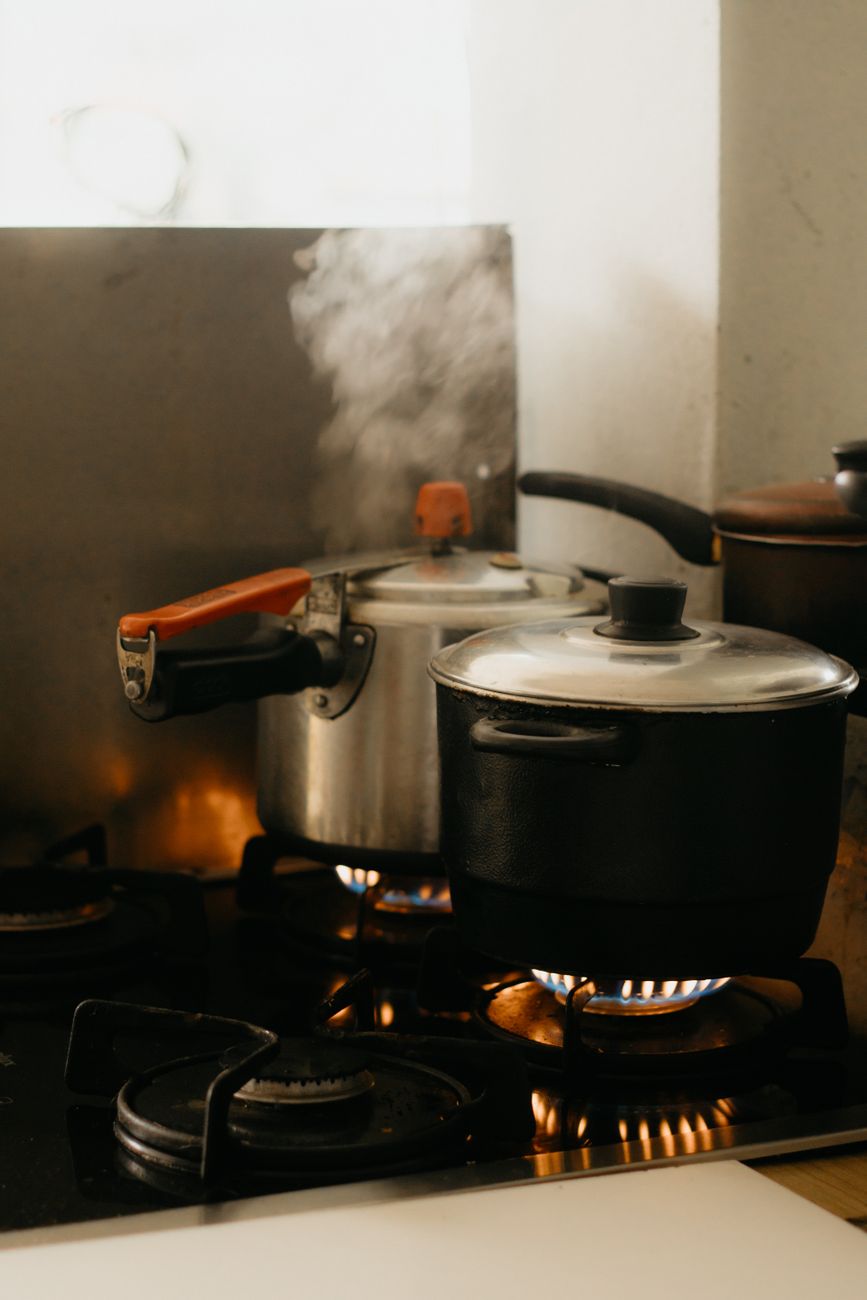
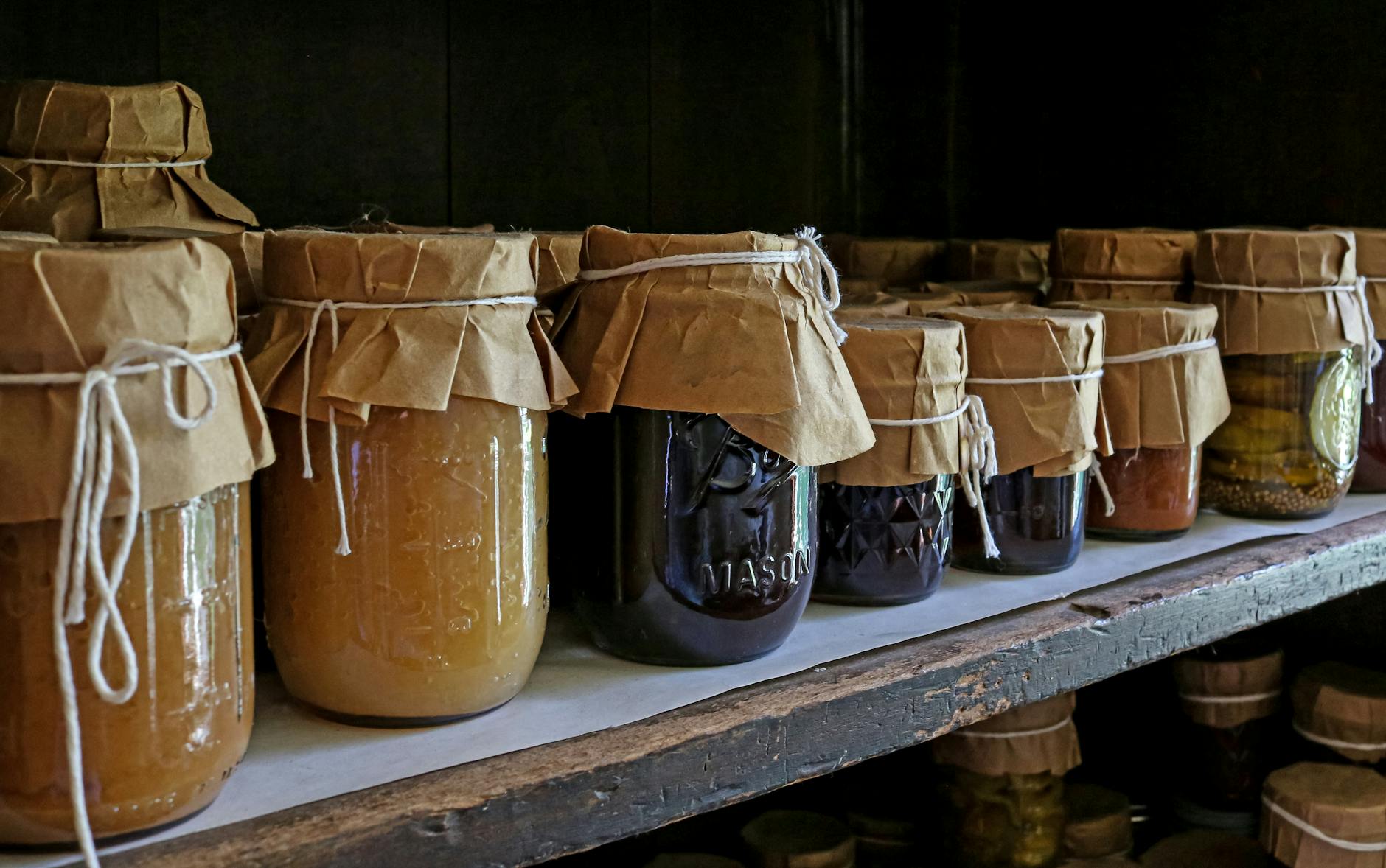
One rule governs everything in this category: high-acid foods can be water-bath canned, low-acid foods must be pressure canned. Follow tested procedures, not family tradition, and preserved food stays safe for years.
No. Instant Pot multicookers are not recommended for pressure canning shelf-stable food, including models with a “canning” setting. That setting does not make the appliance a tested pressure ...
If you are serious about making food last, it helps to understand the science underneath the recipes. This free Alison diploma, about 10 to 15 hours with video, goes deep on food processing and ...
Self-reliance and sustainability are two words for the same goal: getting more out of your food with less waste and less dependence on fragile supply chains. This free Alison course, about 1.5 to 3 ...
Shelf life is the whole game in long-term food storage, and this free Alison advanced diploma is built around it. Across roughly 20 to 30 hours it covers the technologies that keep food good longer: ...
The first choice is the storage goal: frozen food must stay frozen; properly processed and packaged canned, dehydrated, or freeze-dried food can be stored at room temperature.
Freezing: ...
Long-term storage isn’t about chasing a single magic solution; it’s about balancing weight, shelf life, and cost. This guide compares freeze-dried and dehydrated foods with real-world examples from ...
Sauerkraut, yogurt, pickles, sourdough: fermentation is how people preserved food for thousands of years before refrigeration, and it is having a real revival. This free Alison course, about 3 to 4 ...
Growing, cooking, and preserving your own food is worth a lot, right up until something you made makes someone sick. Food safety is the quiet skill that protects all the others. This free Alison ...
Stand in the store looking at a $300 dehydrator, then price a home freeze dryer at north of $2,000, and the question answers itself for most people, at least at first. But the price tag only tells ...
The first big mistake with food storage is going too big. People picture a basement wall of buckets and a year of freeze-dried meals. The total gives them sticker shock, so they give up before ...
What you’ll find in these guides
Method walkthroughs (canning, dehydrating, freeze drying, curing, mylar packing), equipment comparisons, and the payback math that tells you whether a machine makes sense for your household. We follow USDA and National Center for Home Food Preservation procedures and cite them, because this is the one corner of preparedness where an unsourced shortcut can genuinely hurt someone.
The numbers that matter
• pH 4.6 is the dividing line. Above it, food is low-acid and requires a pressure canner. Tomatoes sit close enough to the line that tested recipes call for added acid.
• Altitude changes processing. Both time and pressure increase with elevation — use the chart for your altitude, not the one in an old cookbook.
• Cycle time and power draw. A freeze-dryer batch runs roughly 20–40 hours. Multiply by your electricity rate before you calculate savings.
• Moisture is the enemy. Properly dehydrated food snaps rather than bends; anything still pliable will mold in storage.
Where to start
Begin with a water-bath canner and one high-acid recipe you’ll actually eat. Add a pressure canner when you’re preserving vegetables or meat. Consider a freeze dryer only after you have consistent surplus to run through it — the machine is the easy part, the volume is what makes it worth owning.
Current equipment prices and sale alerts live on our preservation deals page.
Sign up for our best daily picks
These guides are general information. Follow manufacturer instructions and local codes for any product you buy. Some links earn Prepping Bargains a commission at no extra cost to you — it never affects what we recommend.
This website uses cookies to improve your experience. We\'ll assume you\'re ok with this, but you can opt-out if you wish.
Read More
Cookies are small text files that can be used by websites to make a user\'s experience more efficient. The law states that we can store cookies on your device if they are strictly necessary for the operation of this site. For all other types of cookies we need your permission. This site uses different types of cookies. Some cookies are placed by third party services that appear on our pages.
Necessary cookies help make a website usable by enabling basic functions like page navigation and access to secure areas of the website. The website cannot function properly without these cookies.
Marketing cookies are used to track visitors across websites. The intention is to display ads that are relevant and engaging for the individual user and thereby more valuable for publishers and third party advertisers.
Preference cookies enable a website to remember information that changes the way the website behaves or looks, like your preferred language or the region that you are in.