How to build a kit that fits your household, what belongs in a trauma kit versus a boo-boo kit, and how to keep supplies current instead of expired.
Everything here rests on one principle: gear without training is decoration. We’ll help you assemble sensible supplies and then point you toward the classes that make them useful.
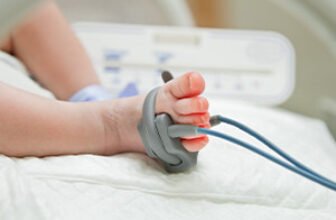
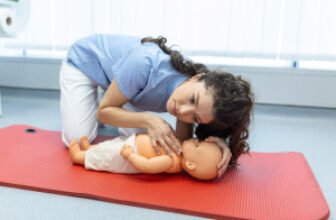
A free pediatric first aid course: CPR and AED for children and infants, assessing a sick or hurt child, and handling illnesses and environmental emergencies.
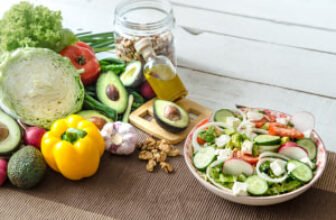
Health is more than what is on the plate, and this free Alison course takes the whole-person view. Holistic Nutrition and Health runs about 4 to 5 hours and covers nutrient density, better sleep, ...
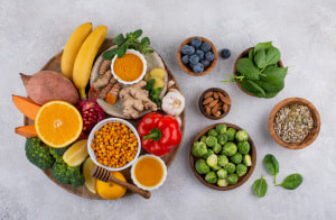
If you want to truly understand how food works in the body, this free Alison diploma goes deep. Diploma in Human Nutrition runs about 10 to 15 hours and covers nutrients, the digestive system, ...
Digestive comfort has a big effect on how well a person feels and functions, and this free Alison diploma digs into it. Diploma in Gut Health Nutrition runs about 6 to 10 hours with video and covers ...
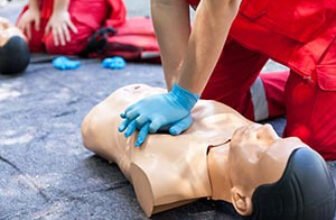
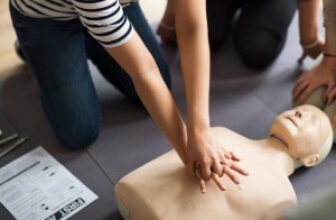
When a heart stops or someone starts choking, the minutes before help arrives decide the outcome, and this free Alison course teaches you what to do with them. CPR, AED and First Aid runs about 1.5 ...
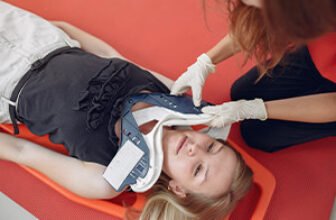
Most emergencies are first handled not by professionals but by whoever happens to be there, and this free Alison course trains exactly that person. High Performance CPR, Emergencies and First Aid for ...
A free paediatric first aid course on equipment and procedures: what belongs in a child first aid kit, newborn and child CPR, choking, and common injuries.
A free CPR and AED course: the Chain of Survival, cardiac arrest versus heart attack, safe CPR technique, and how to use an AED across different situations.
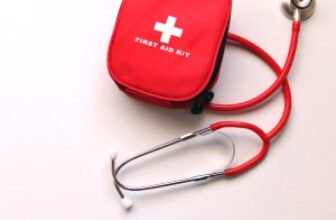
Kit-building walkthroughs by household type, comparisons of pre-built versus DIY, storage and rotation systems, and plain explanations of what common supplies do. We are not clinicians, and these articles are not medical advice — where a topic touches treatment decisions, we point to Red Cross, Stop the Bleed, and published clinical guidance rather than improvising.
The numbers that matter
• Expiration dates. Most sterile supplies and OTC medications carry 2–5 years. An annual check keeps a kit real.
• Consumable count. Ten gauze pads beat a hundred adhesive bandages in any kit that gets used.
• One kit per location. Home, each vehicle, and each bag. Supplies you can’t reach in ninety seconds aren’t supplies.
• Training hours. A few hours in a basic first aid or bleeding-control class outperforms any dollar amount of equipment.
Where to start
Start with the injuries your household actually has — kitchen burns, scraped knees, headaches, seasonal allergies — and stock those generously. Add bleeding control next. Then take a class, and re-take it every couple of years, because these are perishable skills.
Keep a written list of your household’s prescriptions and doses somewhere accessible, and talk to your pharmacist about reasonable refill timing. Current prices on kits and supplies are on our first aid deals page.
Sign up for our best daily picks
These guides are general information. Follow manufacturer instructions and local codes for any product you buy. Some links earn Prepping Bargains a commission at no extra cost to you — it never affects what we recommend.
This website uses cookies to improve your experience. We\'ll assume you\'re ok with this, but you can opt-out if you wish.
Read More
Cookies are small text files that can be used by websites to make a user\'s experience more efficient. The law states that we can store cookies on your device if they are strictly necessary for the operation of this site. For all other types of cookies we need your permission. This site uses different types of cookies. Some cookies are placed by third party services that appear on our pages.
Necessary cookies help make a website usable by enabling basic functions like page navigation and access to secure areas of the website. The website cannot function properly without these cookies.
Marketing cookies are used to track visitors across websites. The intention is to display ads that are relevant and engaging for the individual user and thereby more valuable for publishers and third party advertisers.
Preference cookies enable a website to remember information that changes the way the website behaves or looks, like your preferred language or the region that you are in.