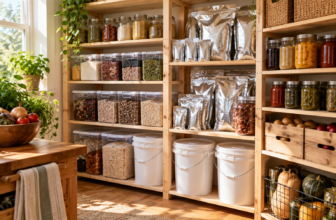
Answers on building a pantry that actually gets eaten. Also shelf life, calorie math, packing your own mylar, and honest comparisons of the big emergency food brands.
Everything here follows one rule: first in, first out. Store what you already eat, date every container, and pull from the front. A pantry that rotates never goes to waste.
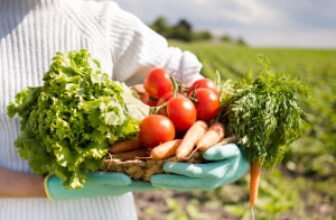
A garden that feeds you from midsummer into fall is a nice hobby. A garden that keeps feeding you through winter, and into the months when grocery prices climb or supply chains wobble, is something ...
Food does more than fill you up, and this free Alison course explores how good nutrition supports the body day to day. Introduction to Nutritional Therapy runs about 3 to 4 hours and covers the ...
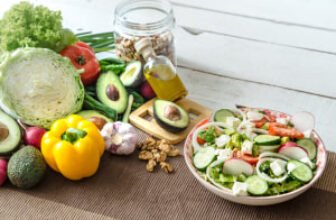
Health is more than what is on the plate, and this free Alison course takes the whole-person view. Holistic Nutrition and Health runs about 4 to 5 hours and covers nutrient density, better sleep, ...
Stored food only helps you if it stays safe to eat. This free Alison course, The Basics of Food Safety and Hygiene, covers personal hygiene, cleaning, spoilage prevention, the biological, physical, ...
Cooking for a crowd is a different job than cooking for two, and the margin for error shrinks fast. This free Alison course takes about 1.5 to 3 hours and teaches food safety at catering scale: the ...
If you are serious about making food last, it helps to understand the science underneath the recipes. This free Alison diploma, about 10 to 15 hours with video, goes deep on food processing and ...
Self-reliance and sustainability are two words for the same goal: getting more out of your food with less waste and less dependence on fragile supply chains. This free Alison course, about 1.5 to 3 ...
Shelf life is the whole game in long-term food storage, and this free Alison advanced diploma is built around it. Across roughly 20 to 30 hours it covers the technologies that keep food good longer: ...
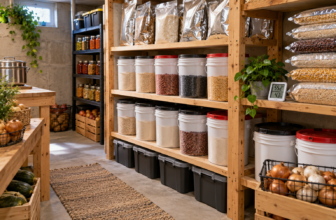
A good pantry looks boring until the power goes out. Then it's the difference between a calm week and a scramble. Long-term food storage is the quiet backbone of preparedness, and it rewards a ...
Prepping isn't about alarm. It's about opening the pantry during a storm and knowing you are fine. A good long-term food storage system is quieter than it sounds: a handful of staples, smart ...
Three kinds of articles live in this category. Buying comparisons put the big emergency food brands side by side on cost per 1,000 calories rather than marketing claims. How-to guides cover the hands-on work — sealing mylar, sizing oxygen absorbers, choosing between a chest freezer and a shelf. Pantry planning covers the boring, useful part: how much to store, where to put it, and how to keep it moving.
We write from experience and cite manufacturers and university extension programs where shelf life and food safety are involved. Where the research disagrees, we say so instead of picking the tidier answer.
The three numbers that matter most
• Calories per day, not meals per day. A “30-day supply” advertised at 1,200 calories a day covers about half of what a working adult needs. Do the division before you compare prices.
• Cost per 1,000 calories. The only fair way to compare a [$X] bucket against a [$X] case of #10 cans.
• Storage temperature. Manufacturer 25-year claims assume cool, dark, and stable. A conditioned closet interior delivers that. A garage in an Arkansas July does not.
Where to start
If you’re new, skip the year-supply articles. Start with two weeks of food your family already eats, stored properly and dated. Add depth as deals come through. The [$500 Preparedness Starter Plan] walks through it in order, and the [72-Hour Kit Checklist] gives you a printable version.
If you’re further along, the brand comparisons and the mylar packing guide are where the real money gets saved — packing your own staples routinely beats pre-packed kits on cost per calorie by a wide margin. Current prices on everything discussed here live on our food storage deals page.
Sign up for our best daily picks
These guides are general information. Follow manufacturer instructions and local codes for any product you buy. Some links earn Prepping Bargains a commission at no extra cost to you — it never affects what we recommend.
This website uses cookies to improve your experience. We\'ll assume you\'re ok with this, but you can opt-out if you wish.
Read More
Cookies are small text files that can be used by websites to make a user\'s experience more efficient. The law states that we can store cookies on your device if they are strictly necessary for the operation of this site. For all other types of cookies we need your permission. This site uses different types of cookies. Some cookies are placed by third party services that appear on our pages.
Necessary cookies help make a website usable by enabling basic functions like page navigation and access to secure areas of the website. The website cannot function properly without these cookies.
Marketing cookies are used to track visitors across websites. The intention is to display ads that are relevant and engaging for the individual user and thereby more valuable for publishers and third party advertisers.
Preference cookies enable a website to remember information that changes the way the website behaves or looks, like your preferred language or the region that you are in.