How to size a power station, what solar panels really produce, and when a generator beats a battery — with the arithmetic shown instead of assumed.
Everything here comes down to one calculation: watt-hours needed versus watt-hours stored. Work out what you actually need to run for 24 hours first, and the shopping decision makes itself.
A phone charged occasionally during a day hike has different needs from a campsite running lights, a fan and several devices. A small folding panel may be enough for the phone when there is ...
A free electrical maintenance course on motors, alignment, insulation, and troubleshooting, so you can keep pumps and machinery running when it matters most.
Free electrical wiring course on boxes, conduit, raceways, and cable. Learn to run wiring for a shed, workshop, or backup power setup with real confidence.
A free electrical safety course on shock risks, safe tool use, risk assessment, and emergency steps, so you can work on your own power without getting hurt.
A free Diploma in Electrical Studies covering safety, circuits, theory, wiring, and test equipment, from home basics to residential and commercial work.
Sizing walkthroughs, head-to-head comparisons of the major power station brands, solar panel explainers, and honest coverage of generator safety. We use manufacturer specifications and real-world output rather than peak-wattage marketing, and we name the trade-offs, noise, weight, fuel storage, charge times.
The numbers that matter
• Watt-hours (Wh) is capacity; watts (W) is output. A 1,000Wh unit with a 600W inverter cannot start a 1,200W appliance, no matter how full it is.
• Refrigerators average roughly 1–2 kWh per day, which is the single most common sizing question we get.
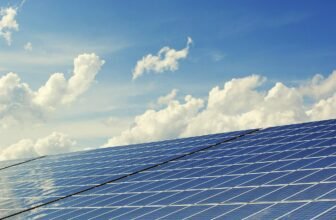
• Solar panels produce their rating only in ideal conditions. Plan on 70–80% of nameplate, and count sun-hours rather than daylight hours.
• LiFePO4 chemistry runs 3,000+ cycles versus a few hundred for older lithium — the number that decides ten-year cost.
Where to start
Write down the devices that genuinely must stay on, find their watts, and multiply by hours. That total is your target. Add a folding solar panel once you own the battery, not before — panels are useless without somewhere to put the energy.
Carbon monoxide from fuel generators kills people every storm season. Outdoors only, well away from doors and windows, with a CO alarm inside the house.
Current prices on stations, panels, and generators are on our power and solar deals page.
Sign up for our best daily picks
These guides are general information. Follow manufacturer instructions and local codes for any product you buy. Some links earn Prepping Bargains a commission at no extra cost to you — it never affects what we recommend.
This website uses cookies to improve your experience. We\'ll assume you\'re ok with this, but you can opt-out if you wish.
Read More
Cookies are small text files that can be used by websites to make a user\'s experience more efficient. The law states that we can store cookies on your device if they are strictly necessary for the operation of this site. For all other types of cookies we need your permission. This site uses different types of cookies. Some cookies are placed by third party services that appear on our pages.
Necessary cookies help make a website usable by enabling basic functions like page navigation and access to secure areas of the website. The website cannot function properly without these cookies.
Marketing cookies are used to track visitors across websites. The intention is to display ads that are relevant and engaging for the individual user and thereby more valuable for publishers and third party advertisers.
Preference cookies enable a website to remember information that changes the way the website behaves or looks, like your preferred language or the region that you are in.