Emergency oxygen can support someone whose breathing is compromised, and knowing how it works is a useful piece of first-aid knowledge. This free Alison course, Oxygen First Aid Training, runs about 1.5 to 3 hours and covers when emergency oxygen is needed, the devices used to deliver it, the equipment involved, and the safety precautions for handling oxygen. It is a focused, educational look at a specialized topic.
Why This Matters for Preppers
Breathing emergencies are among the most frightening situations a responder can face, and understanding the role of emergency oxygen helps you grasp how they are managed. Even as background knowledge, it deepens your understanding of respiratory first aid.
For a prepper thinking seriously about medical preparedness, this course explains a tool that some households and groups choose to include in their planning. Knowing how oxygen delivery works, and its risks, is essential before anyone would ever consider it.
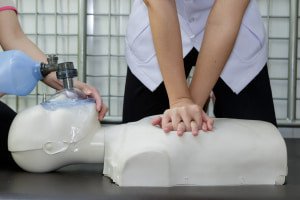
It also reinforces core respiratory first aid, including CPR technique across age groups and the use of a CPR face mask and bag-valve mask. That overlap makes it a useful complement to a general first-aid course.
The strong emphasis on safety is valuable in its own right. Oxygen is not harmless to handle, and understanding the precautions for storing and transporting it is important knowledge for anyone who encounters it.
Understanding this topic also helps you ask better questions and avoid dangerous mistakes. People sometimes assume oxygen is a simple, harmless fix, and knowing the real risks and requirements protects you from that misconception, whether or not oxygen ever figures into your own plans.
Even as background, the course sharpens how you think about breathing emergencies, which are among the most time-critical of all. Understanding what compromised breathing looks like, and the range of tools used to support it, makes you a more informed responder even if you never touch an oxygen cylinder. That informed perspective is worth having on its own, and it deepens the rest of your first-aid knowledge.
How Emergency Oxygen Fits In
The course explains when compromised breathing calls for oxygen, the devices and equipment used to deliver it, and the safety rules that surround it. It also covers related respiratory skills like mask and bag-valve-mask technique.
Understanding this helps you see where oxygen fits in the bigger picture of breathing emergencies, and just as importantly, where its limits and risks are. This is knowledge for understanding, not a green light to improvise with medical oxygen.
If emergency oxygen is something you are researching for a serious preparedness plan, treat this course as a starting point that should be followed by proper hands-on training and the correct, legally obtained equipment, not as a substitute for either.
If you are only building general readiness, take the respiratory and CPR portions to heart and treat the oxygen specifics as background. That keeps your focus on the skills you can safely use, while giving you an informed understanding of the rest.
Approach it as knowledge to understand rather than to act on casually. Reinforce the CPR and mask techniques it covers with hands-on practice, and if emergency oxygen ever becomes part of a serious plan, follow this with proper in-person training and correct, legally obtained equipment. Respecting that boundary is part of using the knowledge responsibly.
What You Will Learn
The course gives you a clear, safety-focused understanding of emergency oxygen. Here is what you will learn:
- How to identify compromised lung function and when oxygen may be needed
- The first aider’s role in a medical emergency
- CPR techniques across different age groups
- The protocols and devices used to deliver oxygen
- The emergency oxygen equipment and its components
- How a CPR face mask and bag-valve mask work
- The risks of oxygen delivery and the safety precautions for handling and transport
Together, these lessons give you a solid, safety-first understanding of emergency oxygen and respiratory first aid. It is specialized knowledge that rounds out a serious approach to medical preparedness.
What the Course Covers
- When oxygen is needed: recognizing compromised breathing and the first aider’s role.
- Delivery devices: the protocols, devices, and equipment used to deliver oxygen.
- Respiratory skills: CPR across age groups and the use of face masks and bag-valve masks.
- Risks: the hazards of oxygen delivery and why they matter.
- Safe handling: the precautions for storing and transporting oxygen.
Where It Fits in Your Prep
This is a specialized course that suits someone building deeper medical-preparedness knowledge, rather than a first stop. Take the general first-aid and CPR courses first, then add this for the respiratory and oxygen angle.
It complements CPR and wilderness first aid by deepening the breathing-emergency side of your knowledge. Together they give you a fuller picture of how to support someone in respiratory distress.
Keep it firmly in the educational lane. If emergency oxygen ever becomes part of a real plan, it must be paired with proper training and the correct equipment, obtained legally and used only as intended.
Keep it in its place as advanced, specialized knowledge. It rounds out a serious medical-preparedness education, but it is not where a beginner should start.
This is educational first-aid knowledge, not medical or clinical training, and emergency oxygen in particular involves real risks and is often regulated. The course is not a substitute for hands-on training, for the correct equipment, or for professional medical care. As background for understanding respiratory emergencies, it is useful; anything beyond understanding requires proper training and guidance.
The lessons are free to finish. When you complete the course, a certificate is available that you can add to your resume or LinkedIn, and a credential like this can help you make the case for a job or a raise. Buying the certificate is optional and never required to finish the lessons.
Breathing emergencies are serious, and understanding how emergency oxygen works adds real depth to your first-aid knowledge. This free course is a careful, safety-focused introduction. Learn how it works, and respect its limits.
Start the free course and earn your certificate
Looking for more free training like this? Browse the full lineup on our Free Shelf, our hand-picked collection of free Alison courses for preppers.
Some links are affiliate links, and they never change your price. Details: /disclaimer.