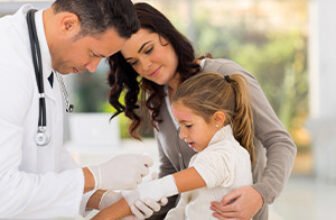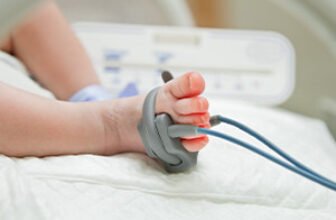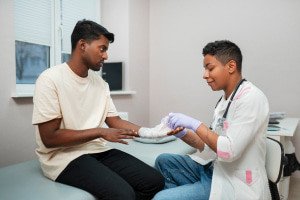
Wounds that are managed well heal cleanly, and wounds that are not can turn dangerous fast, which makes wound care worth understanding deeply. This free Alison course, Wound Management for Health Professionals, runs about 3 to 4 hours with video and covers wound types, the healing process, assessment and documentation, infection strategies, and building a care plan. It is a clinical-level look at a vital skill.
Why This Matters for Preppers
In a disruption, a minor wound that would normally be trivial can become a serious problem if it is not cleaned and managed properly, especially when antibiotics and professional care are hard to reach. Understanding how wounds heal and how infection sets in is genuinely important preparedness knowledge.
This course goes deeper than basic first aid, into how the body heals, what slows healing, and how to think about different wound types. That depth helps you take wound care seriously rather than just slapping on a bandage and hoping.
The focus on infection is especially valuable. Recognizing the signs of a wound infection and understanding strategies to manage it is exactly the knowledge that matters most when a doctor is not a quick visit away.
It also teaches assessment and care planning, which turn wound care from guesswork into a considered process. Knowing how to evaluate a wound and plan its care is the difference between confidence and anxiety when one happens.
Wound care is also a skill that comes up constantly, from a kitchen cut to a scraped knee, so the understanding here pays off in everyday life long before any emergency. Few medical skills are used as often, which makes deep knowledge of it a genuinely practical investment.
It is also the kind of knowledge that quietly compounds. Every minor wound you handle well, cleaned properly, dressed correctly, and watched for infection, is practice for the day a more serious one appears, and it builds a track record of confidence. Because wounds are so common, this is a skill you will use and refine constantly, which makes the depth this course offers a practical investment rather than abstract study.
How Wounds Heal and How to Help
The course covers the phases of normal wound healing, the factors that delay it, and how to assess and document a wound. It then moves into managing infection, handling different and atypical wound types, and building a care plan.
Understanding the healing process is what makes good wound care make sense. Once you know what the body is trying to do, keeping a wound clean, moist where appropriate, and protected stops being a set of rules and becomes something you understand.
Because this course is written for health professionals, some of it is clinical. Take from it the understanding that strengthens your own first aid, and remember that serious, deep, or infected wounds still need professional care whenever it can be reached.
Practice the everyday version of what you learn. Clean and dress the minor cuts and scrapes that come up in normal life using good technique, and you build habits and confidence that will serve you when a more serious wound appears.
Bring it down to earth by handling the everyday cuts and scrapes in your home with real technique, and by stocking your kit with proper wound-care supplies. Learn to recognize the early signs of infection so you know when a wound has moved beyond home care, and keep a plan for reaching a professional when it does.
What You Will Learn
The course gives you a genuine understanding of how wounds heal and how to manage them. Here is what you will learn:
- The key characteristics of different wound types and why proper management matters
- The phases of normal wound healing
- The factors that affect and delay healing
- How to assess and document a wound
- How to recognize and manage wound infections
- How to identify and care for acute and atypical wounds
- How to create a tailored wound care plan
- What wound debridement is and why it matters
Together, these lessons give you a deeper command of wound care than basic first aid provides. That understanding is exactly what helps you keep a small injury from becoming a serious one when help is not close.
What the Course Covers
- Wound types and healing: the characteristics of different wounds and the phases of normal healing.
- What slows healing: the factors that delay healing and how to account for them.
- Assessment: how to assess and document a wound properly.
- Infection: how to recognize and manage wound infections.
- Care planning: building a tailored care plan and understanding debridement.
Where It Fits in Your Prep
This is a deeper, more clinical course than basic first aid, which makes it a strong choice for a serious prepper who wants real command of wound care, one of the most practically important medical skills in a disruption.
It builds on a general first-aid foundation and pairs well with courses on infection control. Together they give you a strong grasp of keeping injuries clean and healing, which is where many minor emergencies are won or lost.
Because it is written for professionals, take it as knowledge that strengthens your judgment, not as a license to handle serious wounds alone. Use it to manage the minor and to recognize when something needs a professional.
For a household that wants one member with genuinely deep medical knowledge, this is a strong pick. It rewards the person willing to go past basic first aid into real understanding.
This is educational knowledge written for health professionals, not a qualification to practice, and it is not a substitute for professional medical care. Deep, severe, or infected wounds need proper treatment whenever it can be reached. As a way to genuinely understand wound care and handle minor injuries well, though, it is a valuable and unusually deep free course.
The lessons are free to finish. When you complete the course, a certificate is available that you can add to your resume or LinkedIn, and a credential like this can help you make the case for a job or a raise. Buying the certificate is optional and never required to finish the lessons.
Good wound care is quiet, unglamorous, and occasionally life-saving, especially when help is far off. This free course gives you real understanding of it. Learn how wounds heal, and you will handle them with far more confidence.
Start the free course and earn your certificate
Looking for more free training like this? Browse the full lineup on our Free Shelf, our hand-picked collection of free Alison courses for preppers.
Some links are affiliate links, and they never change your price. Details: /disclaimer.