How to stay warm and dry without overspending — layering systems, sleeping bag and pad ratings explained, tent selection, and cold-weather clothing that earns its place.
The governing rule is simple: insulation from the ground matters as much as insulation around you. Get the pad right before you upgrade the bag, and buy every piece of this category a season out of date.
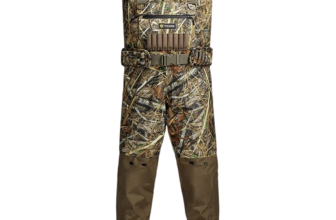
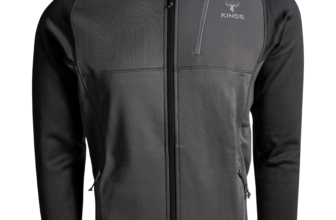
Eight Kings Camo cold-weather layers for chores, camp and cold snaps: fleece, insulation, a wind-blocking shell and waterproof gaiters, plus how to build a layering system that works.
A free construction safety diploma covering PPE, fall protection, hazards, and accident prevention: essential safety knowledge for any building work.
What you’ll find in these guides
Layering explainers, rating-system translations, comparisons of down against synthetic, and practical advice for keeping a house livable when the heat goes out. We use manufacturer specifications and published testing standards, and we’re blunt about where marketing numbers and tested numbers diverge.
The numbers that matter
• Comfort rating versus limit rating. The comfort figure is the usable one, and it typically runs about 10°F warmer than the limit.
• R-value on sleeping pads. R-3 is a reasonable three-season floor; winter use wants R-5 or higher.
• Fill power on down, 550 to 900. Higher means more warmth for less weight, at a steeply higher price.
• Hydrostatic head on tents and tarps, measured in millimeters. Higher numbers shed more rain for longer.
Where to start
Build a layering system first: a wicking base layer, an insulating mid layer, and a windproof and waterproof shell. Add a sleeping pad with an honest R-value, then a bag rated for your real conditions. If you’re heating a home without power, closing off one room and insulating it beats trying to heat the whole house.
Never use fuel-burning camp stoves or charcoal indoors for heat. Current prices on bags, pads, and layers are on our shelter and clothing deals page.
Sign up for our best daily picks
These guides are general information. Follow manufacturer instructions and local codes for any product you buy. Some links earn Prepping Bargains a commission at no extra cost to you — it never affects what we recommend.
This website uses cookies to improve your experience. We\'ll assume you\'re ok with this, but you can opt-out if you wish.
Read More
Cookies are small text files that can be used by websites to make a user\'s experience more efficient. The law states that we can store cookies on your device if they are strictly necessary for the operation of this site. For all other types of cookies we need your permission. This site uses different types of cookies. Some cookies are placed by third party services that appear on our pages.
Necessary cookies help make a website usable by enabling basic functions like page navigation and access to secure areas of the website. The website cannot function properly without these cookies.
Marketing cookies are used to track visitors across websites. The intention is to display ads that are relevant and engaging for the individual user and thereby more valuable for publishers and third party advertisers.
Preference cookies enable a website to remember information that changes the way the website behaves or looks, like your preferred language or the region that you are in.