Long-term storage isn’t about chasing a single magic solution; it’s about balancing weight, shelf life, and cost. This guide compares freeze-dried and dehydrated foods with real-world examples from Mountain House, Backpacker’s Pantry, and Harmony House Foods, outlining how each performs on shelf life, rehydration, and practicality. You’ll also learn how to spot real value and snag the best deals—including the preppers discount—on Prepping Bargains to build a lean, reliable long-term pantry.
Freeze-Dried Food: Fast Facts and Real-World Examples
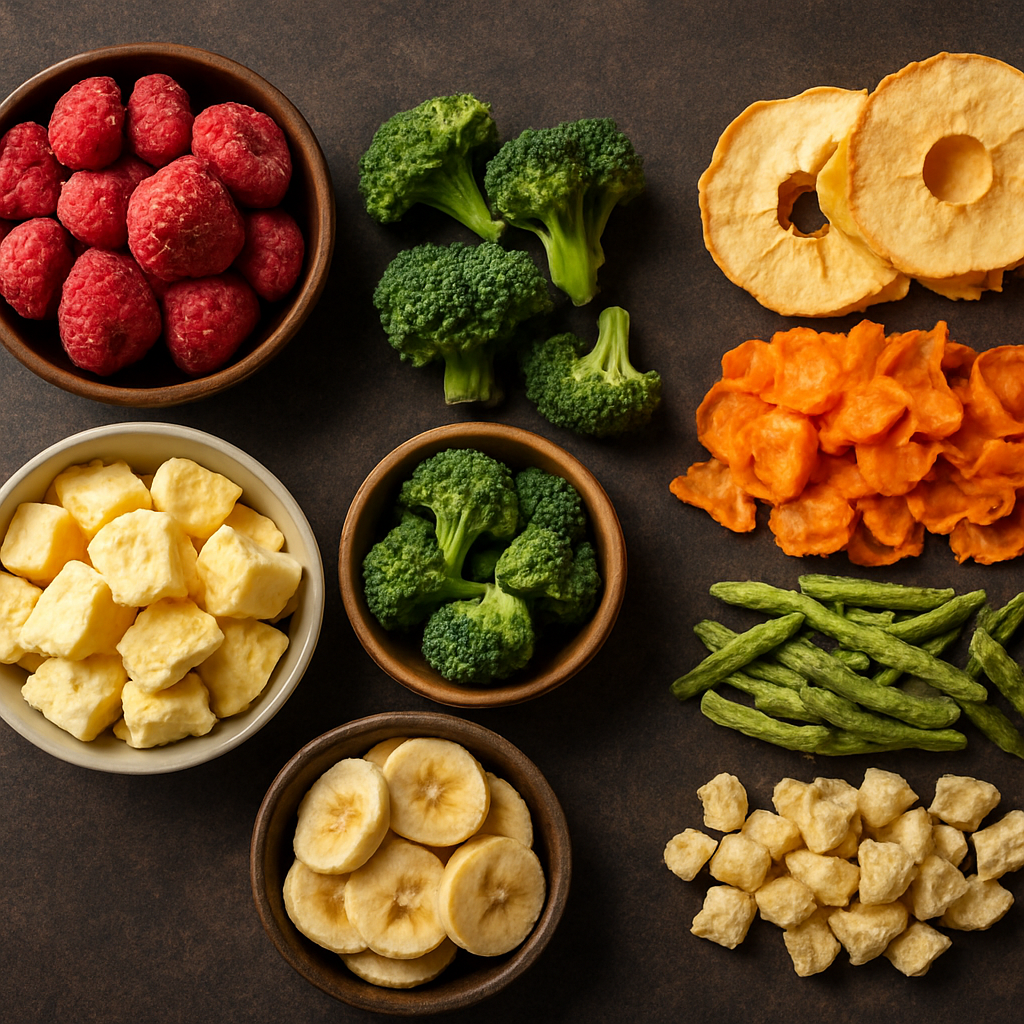
Freeze-dried foods set the standard for long-term storage. The method preserves texture and nutrition while delivering ultra-light, compact packages that stay dependable in tight spaces and variable climates. With proper storage, they typically outlast most other pantry options and rehydrate cleanly when you have water handy.
Notable products and brands to reference include Mountain House Beef Stew, Mountain House Chicken Fajita, Backpacker’s Pantry Pad Thai, and AlpineAire Lasagna with Meat Sauce. These items exemplify how freeze-dried meals combine shelf stability with familiar flavors, making them popular choices for long-term storage in cramped RV cabinets, off-grid cabins, and storm pantries. Reliable packaging keeps moisture out, which is crucial for maintaining texture after years on the shelf.
Concrete use case: in a small RV setup, a Mountain House Beef Stew pouch rehydrates in about 8–10 minutes with hot water, delivering a satisfying, protein-rich meal after a day of travel or hiking. The package stacks neatly beside tea, coffee, and a compact stove, proving that lightweight, shelf-stable meals can replace bulky canned options without sacrificing appetite or nutrition. When shopping, look for ready-made bundles that fit your travel schedule rather than single items that can leave you with limited variety.
The practical trade-off is cost and complexity. If you want to produce freeze-dried meals at home, you need a dedicated freeze dryer and reliable electricity, which is a sizable upfront investment. For most readers, buying ready-to-eat freeze-dried meals remains the simplest path, and you can trim the impact with a preppers discount on bundles and multi-item deals you’ll find on Prepping Bargains. These discounts matter because the per-serving premium on freeze-dried meals can be significant when you’re stocking a large emergency pantry.
A real limitation to watch is rehydration water and time. Some meals demand more water or longer soak periods, and flavor can drift if storage conditions fluctuate or if oxygen exposure isn’t kept in check. Packaging quality matters too; you want airtight pouches with reliable seals to prevent oxidation during decades of storage. Plan for a small water source you can depend on, plus a simple cooking setup that keeps rehydration time from becoming an obstacle in an urgent scenario.
| Product | Key traits & rehydration |
|---|---|
| Mountain House Beef Stew | Hearty, reliable protein; rehydrates in 8–10 minutes; classic backup for shelf stability |
| Mountain House Chicken Fajita | Flavorful option; moderate water need; good variety in rotation |
| Backpacker’s Pantry Pad Thai | Spicy, quick-cook meal; 8–12 minutes; strong flavor options for variety |
| AlpineAire Lasagna with Meat Sauce | Comfort-food appeal; ~9–11 minutes; holds up well under storage |
Takeaway: Freeze-dried is the smarter backbone for long-term storage in most setups; pair with dehydrated ingredients to balance cost, flavor, and flexibility. When planning purchases, monitor preppers discount opportunities and bundle deals to maximize value.
Dehydrated Food: What It Is and Where It Shines
Dehydrated foods remove moisture with airflow and heat, yielding light, compact ingredients that store cheaply and in bulk. They tend to preserve color and aroma when hydrated properly, but require longer rehydration and more prep than freeze-dried options. For a long-term pantry, dehydration is often the budget-friendly backbone that keeps your storage resilient without blowing up costs.
Representative products and brands for this method include the dehydrated ingredients from Harmony House Foods, such as Dehydrated Onions, Dehydrated Bell Peppers, and Dehydrated Mushrooms. These are commonly used as flavor bases or bulk additions to soups, stews, and casseroles. See Harmony House Foods for ongoing bulk options and shelf-stable packaging that suits prepper storage.
Shelf life under typical home storage tends to be shorter than freeze-dried products—often 1–2 years—so keep a cool, dry environment and airtight containers. Packaging quality matters: Mylar bags with oxygen absorbers and moisture-control lids help stretch longevity, but you’ll still want to rotate stocks and plan meal use before quality declines.
Equipment needs are modest. A standard food dehydrator is enough to build your own supply, and dehydrated ingredients are widely available in bulk from various suppliers. Avoid relying on ad-hoc sun-drying in humid climates; moisture control and food safety margins shrink quickly in those conditions.
Concrete use case: A two-person RV setup uses dehydrated onions and peppers to flavor chili and taco fillings. Rehydration happens on a mid-day boil, about 10–15 minutes, which saves fresh produce space and reduces frequent shopping trips on the road.
Bottom line: for many long-term pantries, dehydrated ingredients form the cost-effective backbone—great for seasoning, bulk cooking, and recipes where texture isn’t the primary driver. Pair them with freeze-dried options to maximize readiness, variety, and speed when time or water access is tight.
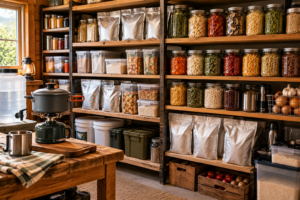
Shelf Life, Storage Conditions, and Rehydration Timing
Shelf life advantage favors freeze-dried foods: when unopened and stored in a cool, dry, dark place, many freeze-dried meals hold for decades, while dehydrated items tend to stay solid for years at best. This outcome is not guaranteed; packaging quality and moisture control matter. For planning, rely on credible guidance like Ready.gov that stresses proper storage and rotation to maximize longevity Ready.gov. preppers discount can amplify value when you bundle these items.
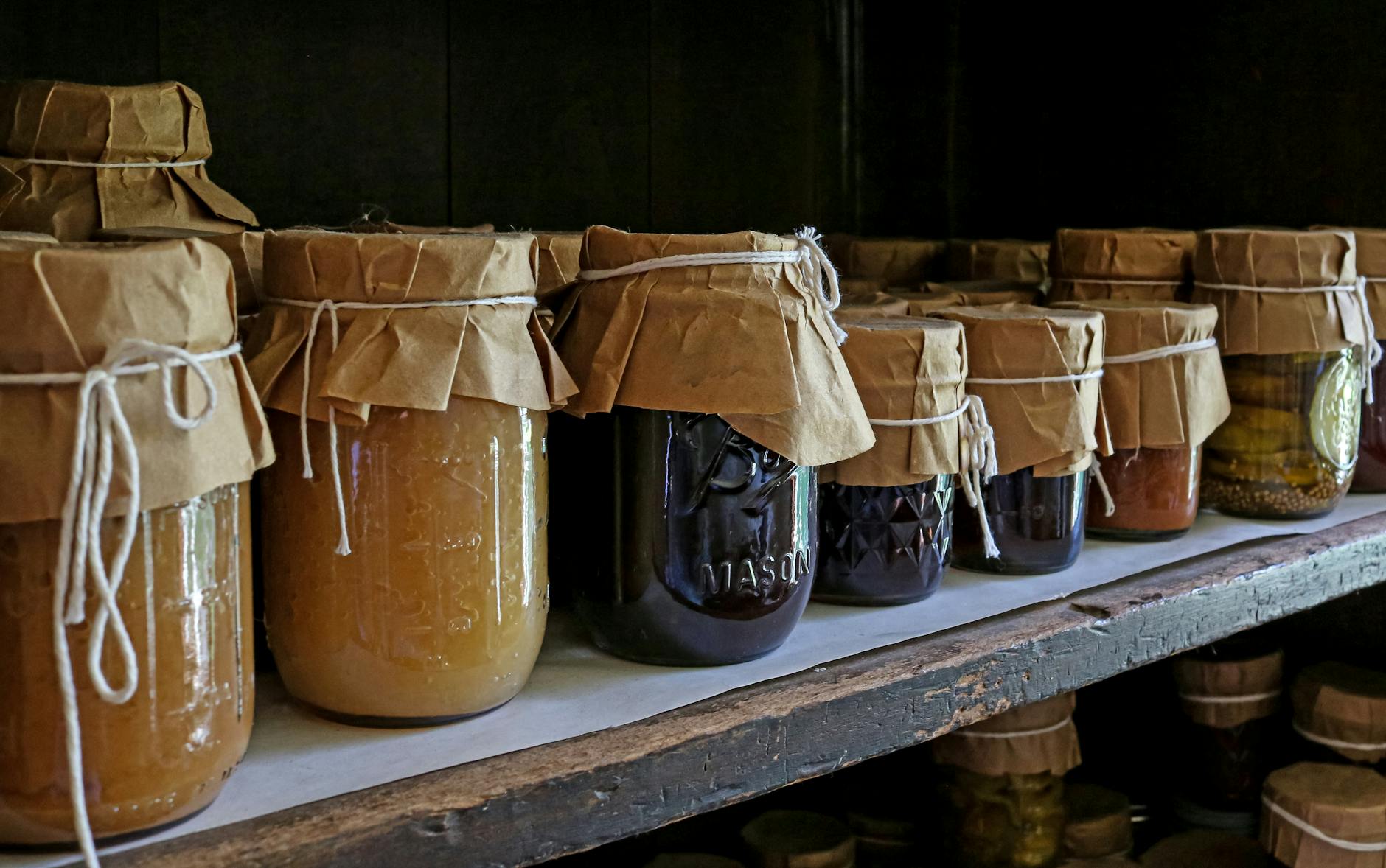
Storage conditions are the silent determinant. Freeze-dried pouches usually rely on vacuum sealing and optional oxygen absorbers; dehydrated ingredients are often kept in mason jars or mylar bags with oxygen control. In both cases, keep containers in a dark, dry space and avoid temperature swings that bounce moisture in and out of the packaging.
Storage Environment Best Practices
Temperature matters. Aim for roughly 50-70 F. Humidity should stay low; in hot basements or humid spaces, shelf life shortens dramatically. Use sealed bags or cans, oxygen absorbers, and clear labeling. Treat your storage area like part of the recipe for long-term reliability.
Rehydration timing differs sharply. Freeze-dried meals rehydrate quickly, typically 5-15 minutes with warm or even cool water, depending on the product. Dehydrated ingredients need more water and time, often 20-60 minutes, with larger pieces potentially requiring overnight soaking for even texture.
| Aspect | Freeze-Dried | Dehydrated |
|---|---|---|
| Typical unopened shelf life | Decades in proper storage | Years to a few years depending on packaging |
| Rehydration time | About 5–15 minutes | About 20–60 minutes (sometimes longer for large pieces) |
| Water required per serving | Less water; lighter bite after rehydration | More water; bulkier texture after rehydration |
Concrete example: A weekend RV pantry uses Mountain House Beef Stew as a primary freeze-dried option for quick dinners. After adding hot water, it’s typically ready in under 10 minutes. Pair it with Harmony House dehydrated onions for soups and sautés; they rehydrate slower but deliver bulk flavor without tying up space or funds for bulk ingredients.
Takeaway: For most setups, build a blended pantry that uses freeze-dried meals for dependable long-term shelf life and dehydrated ingredients for bulk cooking and flavor flexibility. When possible, capitalize on preppers discount opportunities on Prepping Bargains to maximize value.
Cost and Value: Is Freeze-Dried Worth the Premium?
In practice, cost isn’t a single sticker price; it’s a view of the total cost of ownership over months and miles. Freeze-dried options carry a clear premium per serving, but they pay back in weight savings, space efficiency, and faster rehydration—gold for RV trips or tight storage. Dehydrated ingredients cost less upfront and scale well for bulk storage, but you’ll spend more water, time, and pantry space across meals.
Use a simple framework to compare. Start with upfront equipment costs, then estimate ongoing purchases, and add incidental costs like packaging integrity and moisture control. Upfront costs differ sharply: a home freeze-dryer is a big ticket item; a basic dehydrator is much cheaper. Ongoing costs hinge on price-per-serving and whether you’re buying ready meals versus bulk dried ingredients. Incidental costs include storage footprint and the quality of packaging that keeps moisture out. These factors determine whether long-term storage leans freeze-dried or dehydrated in practice.
Example: a four-person family planning a week on the road. If you rely on ready freeze-dried meals at roughly $4 per serving, you’re looking at about 84 servings for the week, or around $336. If you instead pack dehydrated bulk ingredients at about $0.75 per serving, you’re closer to $63, plus the initial dehydrator cost amortized over time. Weight shifts too: roughly 4–6 pounds of freeze-dried meals versus 15–20 pounds of bulk dehydrated ingredients for the same meals. In this scenario, dehydration wins on upfront cost and bulk storage, but freeze-dried wins on speed, simplicity, and space—critical on a crowded RV shelf or during a sudden storm.
- Upfront investment: Freeze-drying hardware versus a basic dehydrator and the related hardware depreciation over years.
- Ongoing cost per serving: Dehydrated ingredients typically beat freeze-dried on price, but may require more planning, water, and time per meal.
- Storage and weight: Freeze-dried saves space and weight; dehydrated ingredients demand more pantry real estate and repackaging as shelves empty and refills come in.
- Discounts and bundles: Look for preppers discount opportunities, bundles, and seasonal sales to improve value; bulk food discounts and survival kit promotions often shift the math in favor of dehydration for batch cooking.
Bottom line: for most readers, a blended pantry tuned to your space, budget, and readiness goals delivers the best long-term value. Use both methods where they shine—reserve freeze-dried for quick, reliable meals and leverage dehydrated ingredients for bulk cooking and cost efficiency.
Weight, Bulk, and Convenience for Different Setups
Weight and bulk drive long-term decisions more than price alone. For preppers with tight spaces—an RV cabinet, a small apartment closet, or a bug-out bag—the constraint isn’t just shelf life; it’s how much room a package and its required water takes up day to day. In practice, storage density and ease of use trump the occasional cost saving.
Scenario: outfitting a two-person RV pantry for two weeks of outages. A typical 2-serving freeze-dried meal pouch weighs about 4.5–5 oz and rehydrates quickly to 2–3 cups. Dehydrated vegetables, on the other hand, come in bulk bags and need more water and longer simmer times. Freeze-dried meals yield instant meals with compact packing; dehydrated ingredients stretch your shopping dollars but demand more planning and space per serving.
Trade-offs by setup:
- Tiny spaces and RVs: Freeze-dried meals maximize space; dehydrated ingredients save money but require clear jars and more shelf height; your water supply and cooking time will shape which you choose.
- Bug-out bags and portable kits: Weight matters most. Freeze-dried meals deliver calories per ounce and minimal prep, while dehydrated items add variety but increase rehydration steps and pack volume.
- Apartments or closets: Dehydrated ingredients fit into bulk bins and pantry shelves; freeze-dried bundles are great for quick meals but cost more per serving.
Practical approach: map your weight budget against water access and cooking cadence. In a compact RV pantry, a blended ratio around 60% freeze-dried meals and 40% dehydrated ingredients provides both quick options and recipe flexibility. For storm prep or a bug-out kit with limited water, push toward 70/30 in favor of freeze-dried meals. Always compute price per serving, but don’t forget the value of reliable rehydration water sources and the time you save on meal prep. Look for preppers discount opportunities and bundles on Prepping Bargains to stretch both the budget and the shelf life.
Takeaway: Build a space-aware mix that matches your setup, then chase deals on preppers discount to optimize the total cost of ownership.
Flavor, Texture, and Culinary Flexibility
Flavor and texture decide whether a long-term pantry actually gets used. When you need a meal at a moment’s notice, the difference between a rehydrated freeze-dried dish that’s light and sauce-rich and a bowl built from dehydrated ingredients that still carries bite can determine whether you reach for it or skip it. In practice, freeze-dried foods tend to rehydrate quickly with a soft, uniform texture and robust aroma, while dehydrated items often require more water and time, yielding a chewier or crisper mouthfeel.
Texture profiles and flavor retention after rehydration
For everyday cooking, texture and flavor retention are not optional extras. Freeze-dried meals shine on speed and consistency; you get a predictable bite and familiar sauce consistency even in hot or windy storage conditions. Dehydrated ingredients deliver more of a home-cooking feel: you can season and blend them into soups, stews, or stir-fries with greater control over texture, but you may trade off uniformity and require longer rehydration.
- Texture after rehydration: Freeze-dried meals tend to be light, tender, and uniform; dehydrated components stay chewier or denser, depending on item.
- Flavor retention and aroma: Freeze-dried products often preserve color and aroma well, while some dehydrated items may lose brightness unless rehydrated longer or heated gently.
- Rehydration timing and water quality: Hot water speeds results for freeze-dried, while dehydration ingredients respond better when water is at a simmer or incorporated into the dish during cooking.
- Culinary versatility: Freeze-dried is superb for complete meals; dehydrated ingredients excel for bulk cooking and recipe customization.
Concrete example: On a late-summer RV trip, we used a freeze-dried chicken fajita kit to serve three hungry travelers in under 10 minutes; texture remained approachable and sauce clung to rice. Back at the cabin, dehydrated onions and bell peppers joined a pot of beans, rehydrating over a simmer and delivering a more recognizable vegetable texture that held up in the stew.
| Aspect | Freeze-Dried | Dehydrated |
|---|---|---|
| Texture after rehydration | Light, uniform, tender | Chewy, denser, can crumb |
| Flavor retention | Vibrant aroma, sauce-friendly | Flavor-strong but can fade without longer rehydration |
| Rehydration time | Typically 2–6 minutes per serving | 10–25 minutes depending on item |
| Culinary flexibility | Great for ready-to-eat meals; simple meal planning | Ideal for bulk cooking and improvisation in recipes |
Next: map a blended pantry plan around your setup and hunt for preppers discount bundles on Prepping Bargains.
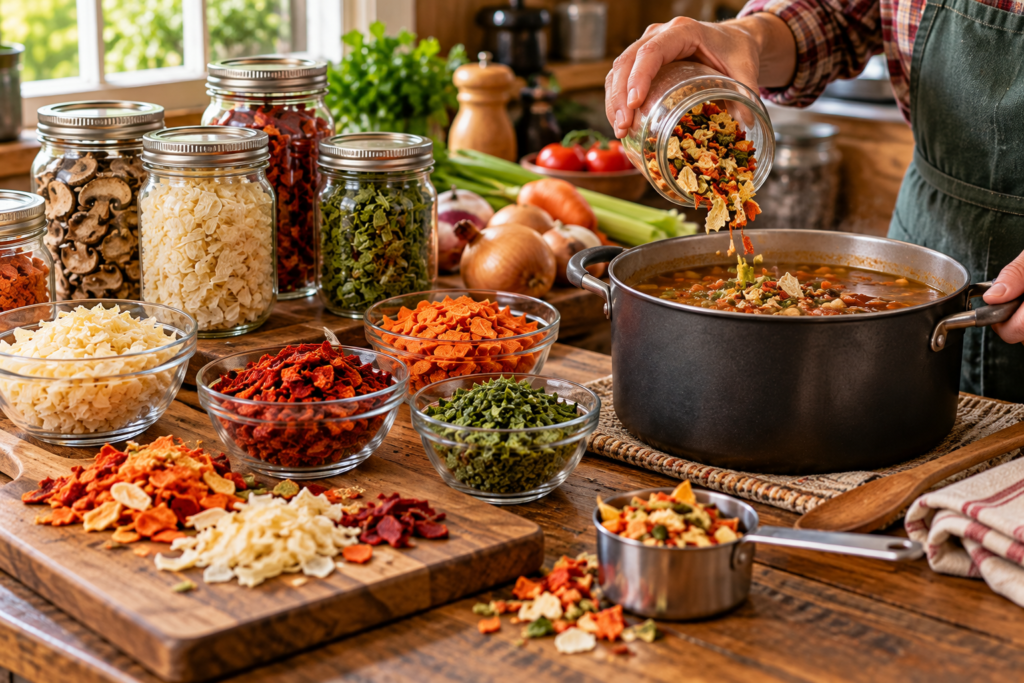
Buying Smart: Building a Balanced Long-Term Pantry
Buying smart for a long-term pantry means a blended approach, not a single method. You want fast access to ready meals and the flexibility of bulk ingredients. Reserve space for freeze-dried meals that rehydrate quickly and for dehydrated ingredients that stretch a tight budget and unlock more meal options. When you shop, seek preppers discount opportunities and bundles on Prepping Bargains to maximize value without locking yourself to a single supplier or method.
Three practical levers drive the decision: space, water access, and budget. Freeze-dried options win on shelf life and quick cooking; dehydrated ingredients win on cost per serving and bulk capacity. A smart pantry hedges both by design rather than by accident.
- Step 1: Map constraints — measure shelf depth, pantry height, and estimate rehydration water per serving; use stackable containers and label clearly.
- Step 2: Assign roles — designate certain meals to freeze-dried packs and treat dehydrated ingredients as bulk bases for stews, soups, and sides.
- Step 3: Bundle and buy smart — combine freeze-dried meals and dehydrated ingredients into mixed bundles; use preppers discount codes and seasonal promos to improve price-per-serving.
Concrete example: a two-person off-grid cabin with limited freezer space stocks 18 freeze-dried meals for weekend dinners and keeps 8–10 pounds of dehydrated vegetables, mushrooms, and peppers for daily cooking. They rotate flavors seasonally and use dehydrated rice and beans for bulk bases. It saves space, reduces freezer runs, and maintains flexibility when supply lines shift.
Trade-offs to watch: dehydrated ingredients require longer rehydration and more advance planning; if your water source is inconsistent or you cook in small batches, freeze-dried meals deliver reliability. Packaging matters too—keep oxygen absorbers sealed and store in opaque, airtight containers to protect flavor and nutrition.
Look for preppers discount bundles that pair dehydrated ingredients with freeze-dried meals; check for bulk food discounts and seasonal survival gear sales to improve overall value. Avoid overloading on one method; a few well-chosen bulk ingredients alongside a handful of ready-to-eat meals covers emergencies without overstocking.
Takeaway: start with a blended pilot—select a small freeze-dried meal kit and a dehydrated ingredient bundle, then monitor space, water use, and cost over a month before expanding.