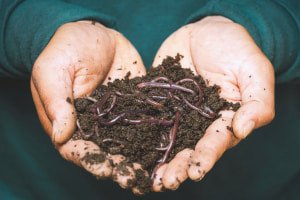
It sounds humble, but a bin of worms is one of the most efficient food-growing tools a household can own. This free online worm farming course from Alison teaches vermicomposting, using earthworms to turn kitchen scraps and organic waste into rich, free fertilizer, in about 3 to 4 hours at a beginner level. It covers building a worm system, feeding and harvesting, and even running it as a small business. For a grower who wants better soil for almost nothing, worms are a quiet superpower.
Why This Matters for Preppers
Preparedness loves anything that turns waste into a resource, and worm farming does exactly that. The scraps most people throw away become worm castings, among the richest natural fertilizers there is. For a prepper growing food, that means a renewable, self-produced soil amendment that keeps your garden productive without a trip to the store, which is precisely the kind of closed loop a resilient household wants.
The self-reliance angle is that vermicomposting makes your garden self-feeding. Instead of buying fertilizer, you produce your own from materials you already generate every day. Worms multiply, so a small starter system grows into a steady supply. That independence from purchased inputs is a real and satisfying piece of food self-reliance, and it works in a basement, a garage, or a corner of the yard.
There is a clear budget benefit. Kitchen scraps are free, worm castings are expensive to buy, and a worm bin can be built cheaply from simple materials. The course even covers turning worm farming into a small side income by selling worms or castings. For a frugal household, few gardening projects pay back as reliably, and the course itself is free.
And worm farming is easy to share, which helps a community. A handful of worms starts a neighbor's bin, and the knowledge spreads as easily as the worms multiply. Being the person who can help others turn their waste into garden gold is a small, practical way to strengthen a food-growing community.
How Vermicomposting Works
Vermicomposting is composting with worms doing the work. Certain earthworms, kept in a suitable bin, eat organic waste and excrete castings that are packed with plant-available nutrients and beneficial microbes. Keep the bin at the right moisture, feed the worms the right materials, and avoid the things that harm them, and the system quietly produces some of the best fertilizer you can get. It is faster and richer than ordinary composting for many kitchen wastes.
This course teaches the whole system. It covers vermicomposting principles, how it compares to other composting methods, the structures and systems you can use, and the right way to feed the worms and harvest the castings. It also covers the byproducts you can make, the threats that can harm your worms, and how to troubleshoot problems, so your bin thrives instead of failing. It is practical, start-to-finish knowledge for a low-cost, high-value system.
What You Will Learn
This is a practical, beginner-friendly guide to raising worms for compost. The main outcomes include:
- Understand vermicomposting: learn the principles and benefits of worm composting.
- Compare methods: see how it stacks up against other composting.
- Build a system: describe worm farming structures and setups.
- Feed and harvest: recognize the right feeding and harvesting systems.
- Make byproducts: create useful compost byproducts from the process.
- Protect your worms: assess and prevent the threats that harm them.
- Run a worm business: learn to establish a small worm farming venture.
Together these skills let you turn everyday waste into a renewable supply of premium fertilizer. That closed loop is exactly the kind of self-sufficient system a prepared, food-growing household is built on.
What the Course Covers
- Vermicomposting principles: how worm composting works.
- Method comparison: worm composting versus other methods.
- Systems and structures: the setups you can build.
- Feeding and harvesting: keeping the bin productive.
- Byproducts and threats: useful outputs and protecting the worms.
- The business side: starting a small worm farming venture.
Where It Fits in Your Prep
Worm farming slots perfectly into the food-growing side of your preparedness as the fertilizer engine. Pair it with your garden and your composting: set up a simple bin, feed it your kitchen scraps, and use the castings to enrich your beds. It works alongside the soil improvement course beautifully, since both are about building rich, living soil for less. Set up a small bin now, before you need it, and by the time your garden is in full swing you will have a steady supply of castings ready, plus the confidence that comes from running a living system successfully.
It also complements the broader homesteading and gardening courses on the Free Shelf, closing the loop between kitchen waste and garden fertility. For anyone growing food, a worm bin is a small, cheap, satisfying system that quietly improves everything else you grow.
What This Course Is and Is Not
This is a beginner-friendly, practical course focused specifically on worm composting, including its small-business potential. It is a hands-on gardening and waste-recycling skill, not a broad soil-science course, so it stays tightly focused on worms and castings. It suits any gardener who wants free, high-quality fertilizer and does not mind a low-maintenance bin of worms, and it pairs naturally with the soil and composting content elsewhere on the shelf.
The lessons are free to finish. When you complete the course, a certificate is available that you can add to your resume or LinkedIn, and a credential like this can help you make the case for a job or a raise. Buying the certificate is optional and is never required to finish the lessons.
Final Thoughts
A quiet bin of worms turns the waste you would throw away into the best fertilizer your garden could ask for, free and renewable. This course teaches you to run that system with confidence. For a prepared, food-growing household, worm farming is a small, low-cost project with an outsized payoff, and it is free to learn.
Start the free course and earn your certificate.
Looking for more like this? Browse the Free Shelf, our growing shelf of free Alison courses for preppers.
Some links are affiliate links, and they never change your price. Details: /disclaimer