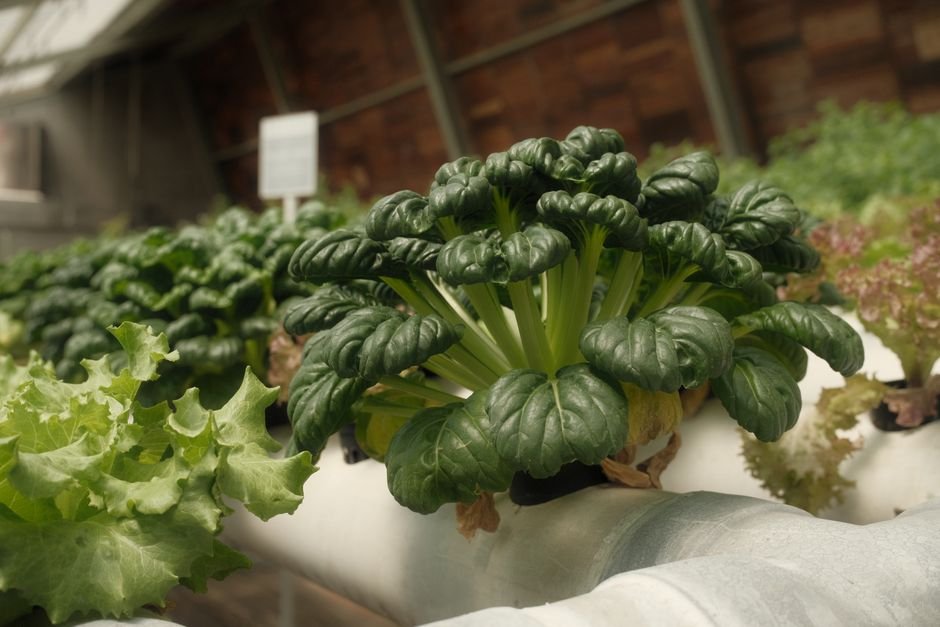
Hydroponic growing replaces soil with water. Roots draw water, oxygen, and measured nutrients directly, which is how a plant can grow efficiently in a controlled indoor space instead of a garden bed. Systems built for this purpose are designed to be compact and often automated, so they fit on a counter, in a closet, or against a wall in an apartment. Product pages for these units claim herbs, vegetables, and flowers can grow up to three times faster than they would in soil. Treat that as a marketing claim rather than a promise, but the underlying idea holds. When you hand a plant exactly what it needs, it spends less energy searching for it.
The tradeoff is responsibility. Soil buffers mistakes. A reservoir does not. Once soil is gone, you take over three jobs that dirt and rain used to handle: feeding, pH balance, and watering.
What Changes Once Soil Is Out of the Picture
In a traditional pot, roots spread through a medium that holds moisture and minerals and extract what they need over time. In a hydroponic setup, the reservoir or growing medium delivers water and nutrient solution, and the plant takes them up directly. Some systems suspend plants so roots sit in water. Others use pods or trays with a medium that stays consistently wet, which is the approach behind many countertop kits.
Because delivery is direct, the concentration of the nutrient solution, the pH of that solution, and the water level all matter more than they would in soil. There is no dirt to absorb an overdose or buffer an acidic swing. That is why hydroponic growers measure instead of eyeballing.
Why This Approach Fits a Preparedness-Minded Household
Indoor hydroponic gardens grow herbs, vegetables, and flowers indoors all year long, regardless of the weather outside. For a household that already stores food, tracks storms, and plans for grid-down events, that adds a fresh-food layer to the pantry.
The category also scales the way preparedness gear should. A small countertop unit is the entry point, and a vertical system can hold far more. One vertical system on the market is rated to hold up to 32 plants, which turns a corner of a room into a real supply of fresh herbs and vegetables rather than a novelty.
Keep expectations realistic. A countertop unit is not a replacement for a garden or a food-storage plan. It is a way to keep something edible growing when the outdoor season ends.

The Three Variables You Manage
Every hydroponic system, from a single-herb countertop kit to a full vertical tower, comes down to nutrients, pH, and water. Light, airflow, and temperature matter too, but these three are what you touch every week.
Nutrients: Measured, Not Guessed
The word to hold onto is measured. Nutrient concentration in a reservoir is something you set deliberately, usually by adding a liquid or powder concentrate to a known volume of water.
Dosing instructions come from the system manufacturer or the nutrient brand, and they are not interchangeable. A dose that suits one reservoir size can be too strong or too weak in another. Record what you add and when, especially if you run more than one system. If leaves change color or growth stalls, verify the recommended strength with the maker before adding anything, because the signs of too much and too little overlap, and both look similar to a pH problem.
pH: The Gatekeeper for Nutrient Uptake
pH describes how acidic or alkaline your reservoir solution is. It matters because nutrients can be fully present in the water and still be unavailable to the roots if pH sits outside the range a crop tolerates. The plant is not starving because you forgot to feed it. It is starving because the door is closed.
Target ranges differ by crop and by system, so check your kit manual or the instructions that came with your test supplies rather than copying numbers from a forum. Test on a schedule, adjust in small increments, and retest after every adjustment. Big corrections tend to overshoot, and an overshoot is harder on plants than a slow drift.
Water and Oxygen: Keeping the Reservoir Alive
Roots need oxygen as much as water, and standing water in a warm room loses dissolved oxygen over time. That is why hydroponic systems circulate or aerate the reservoir instead of letting it sit still. One manufacturer describes its indoor system as using a silent intelligent water pump, the kind of feature worth looking for if the garden will live in a room where people sleep or work.
Water level is the other half. As plants drink and water evaporates, the reservoir drops and the nutrient concentration in what remains rises. Top off with plain water between full changes, then replace the reservoir on the schedule your manufacturer recommends. Watch for film, cloudiness, or a sour smell, which usually means a full clean rather than a top-off. Verify recommended reservoir temperatures and change intervals with the system maker, since those vary widely between units.
A Weekly Routine That Covers the Basics
- Check the water level and top off with plain water to the fill line. Marking that line once with tape removes the guesswork.
- Test pH after topping off, since adding water shifts the reading.
- Check nutrient concentration if your kit includes a meter. If it does not, follow the maker’s dosing schedule instead of improvising.
- Inspect the reservoir itself. Film on the walls, cloudy water, or a sour smell means a clean and refill.
- Trim and harvest. Cutting herbs and vegetables regularly keeps plants from crowding the light and blocking airflow.
- Log what you changed, one line per week, so you can spot a pattern when something goes wrong.
Matching a System to Your Space
Indoor units range from something that fits in the corner of a kitchen counter to a vertical tower that holds dozens of plants. Footprint and plant count are the two numbers that decide whether a system actually fits your home.
| System | What stands out | Where it fits |
|---|---|---|
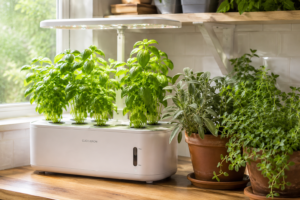
| Click & Grow countertop unit | Reviewed as probably the best hydroponic system for herbs, with a listed footprint of 2 ft wide by 1 ft 4 in high by 7 in deep | Kitchen counters where appearance matters and herbs are the goal |
| Vertical tower systems | One tower holds up to 32 plants and is positioned as the pick for growing the most food per square foot | Ambitious indoor growers with limited floor space |
| Gardyn Home Kit 4.0 | Adjustable light up to 21 inches and capacity for up to 12 plants | Renters and small rooms where light height must adapt as plants grow |
| LetPot hydroponic systems | Smart grow kits with accessories, add-ons, app control, pod tray options, and a silent pump | Households that want app-connected control and room to expand |
Listings change constantly, so confirm specifications and dimensions on the manufacturer’s page before buying. A search for indoor hydroponic systems on a major retailer returns thousands of results, which means the differences between units often live in the details.
Budget Notes and Where Deals Show Up
Hydroponic kits span a wide price range. One manufacturer’s collection page listed a smart grow kit at a sale price of $251.99 at the time the page was captured. Treat a figure like that as a snapshot, not a permanent price, and check the current listing before you commit.
Accessories carry ongoing cost as well. Replacement pods, nutrient concentrate, pH test supplies, and grow lights all add up. Factor those in before comparing two systems on sticker price alone. If you are weighing a kit against other preparedness purchases, compare cost per harvest across a full year instead of the cost of the box.
Mistakes That Cost You a Harvest
- Copying nutrient strength or pH targets from a forum instead of the maker’s instructions.
- Adding nutrient solution every time you top off. Plain water between full changes is the usual approach, but confirm the routine with your manufacturer.
- Letting the reservoir run dry during a busy week. Roots that dry out do not recover.
- Ignoring the smell test. A swampy reservoir is a problem no meter will show you.
- Starting with the largest system available. A small countertop unit teaches the weekly rhythm before you take on 32 plants.
What You Can Grow and What to Verify
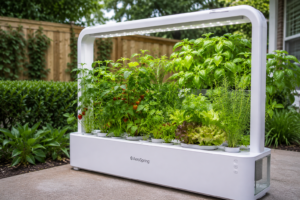
Hydroponic systems are marketed for herbs, vegetables, and flowers, and product photography for smart LED kits commonly shows tomatoes. Herbs are the classic starting point because they stay compact and forgiving, and reviews of small countertop units tend to rank herb growing as their strength. Larger vertical systems open up fruiting vegetables that need more light and more root space.
Not every crop suits every unit. Light height, reservoir volume, and plant spacing all limit what a given system can carry, so check the maker’s crop recommendations before assuming a kit will handle what you want to grow. If a plant needs more light than an adjustable fixture can provide, no amount of nutrient tuning will fix it.
Start Small, Learn the Rhythm, Then Scale
Nutrients, pH, and water are not complicated, but they are a routine, and routines are easier to build on one countertop unit than on a 32-plant tower. Start with herbs, watch how your reservoir behaves across a couple of weeks, and write down the numbers so you know what normal looks like in your home. Once that rhythm feels automatic, adding a vertical system or a second kit becomes a simple decision rather than an experiment.
Frequently Asked Questions
Can I grow plants indoors using hydroponics?
Yes. Hydroponic growing replaces soil with water, and roots draw water, oxygen, and measured nutrients directly. Systems are marketed for herbs, vegetables, and flowers, and many are designed to be compact and automated enough for a countertop or apartment. The main requirement is a steady routine for nutrients, pH, and reservoir water, plus a check of the maker’s crop list for your specific unit.
Are indoor hydroponic gardens worth it?
They are worth it if you want fresh herbs and vegetables indoors all year and will keep up with a weekly routine. The real cost runs past the initial kit, since pods, nutrients, and test supplies are ongoing expenses, and listed prices change often. Compare a system on cost per harvest across a year rather than sticker price alone.
What are the disadvantages of hydroponic gardening?
A reservoir gives you no buffer. Soil forgives a missed watering or a strong dose, while water does not. You have to test pH and nutrient concentration on a schedule, clean the reservoir when it turns cloudy or sour, and accept that a power outage or a dry reservoir can end a crop quickly. Verify system-specific limits with the manufacturer.
What indoor plants grow well hydroponically?
Systems are marketed for herbs, vegetables, and flowers, and product photography for smart LED kits commonly shows tomatoes. Small countertop units are typically reviewed best for herbs, while vertical towers that hold more plants suit larger crops needing more light and root space. Check the maker’s crop recommendations for the unit you are considering.