A torn seam, a missing button, a hem that has come loose: small clothing failures that most people can no longer fix. That is a shame, because sewing is one of the most useful and money-saving skills there is. This free Alison course, Basics of Sewing, teaches hand stitching and machine work in about 1.5 to 3 hours, at no cost. It is the difference between throwing a garment away and keeping it in service for years.
Why This Matters for Preppers
Clothing and gear wear out, and in a disrupted situation you cannot simply buy replacements. Being able to mend a tear, reinforce a strap, or take in a garment keeps your kit working far longer. Sewing is the quiet skill that stretches everything you own, from clothes to packs to bedding.
The savings are constant and add up quietly. A repaired jacket, a patched pair of work pants, a re-hemmed pair of trousers: each one is money not spent. Over a year, basic mending saves far more than the few tools it requires. This is show-the-math self-reliance you can practice every week, not just in an emergency.
Sewing also has a making side, not just a mending one. Once you understand stitches, seams, and patterns, you can create simple items and adapt what you have. That flexibility, plus the barter value of being the person who can repair things, makes sewing a genuinely valuable skill to keep sharp.
How Sewing Works
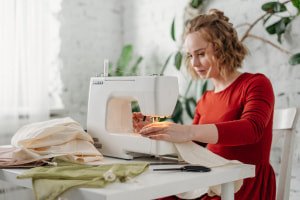
At its core, sewing is joining fabric with thread, either by hand or by machine. The course starts with the steps of the sewing process and the tools involved, then teaches the sewing machine: the different types, their features, and how to use them. Knowing your tools is the first step to using them well.
From there it builds the real skills. You learn how to apply thread effectively, compare fabrics and stitches, and work with patterns, which are the templates that turn flat cloth into shaped items. The course covers seams, hand stitches, and hemming, the building blocks behind almost every repair and project you will ever tackle.
Understanding both hand and machine methods matters for a prepper, because a machine is faster when you have power, and hand sewing works anywhere, anytime. Learning both means you are never stuck without a way to fix what needs fixing.
A few core repairs cover most of what daily life throws at you. Sewing on a button, closing a split seam, and fixing a fallen hem are simple once you know the stitches, and they account for the majority of clothing that gets thrown out. The course teaches exactly these fundamentals, so you can handle the everyday failures that would otherwise send a garment to the trash.
What You Will Learn
By the end you will have a solid, practical footing in sewing by hand and machine. You will be able to:
- Identify the sewing process step by step from start to finish.
- Outline sewing machine types and their key features.
- Recall tools and thread use for clean, effective stitching.
- Compare fabrics and stitches and choose the right pairing.
- Explain pattern work for shaping and making items.
- Work seams, hand stitches, and hems the core of every repair.
Together those skills let you repair, alter, and make textile items with confidence, which keeps your clothing and gear in service far longer.
What the Course Covers
- The sewing process: the steps and tools involved.
- Sewing machines: types, features, and safe use.
- Thread and fabric: applying thread and matching fabrics to stitches.
- Patterns: reading and working from patterns.
- Seams, stitches, and hems: the building blocks of repair and making.
Where It Fits in Your Prep
This course sits in the Patch-It-Up track, the handmade and repair skills that keep a household self-sufficient. It pairs naturally with a crochet course and the soap and candle courses, all of which share the same make-and-mend spirit. Sewing in particular supports every other area of prepping, because clothing, packs, and gear all rely on stitches holding.
Although the course is labeled advanced, it starts with the true basics and suits a beginner willing to practice. It fits anyone who wants to stop throwing away fixable clothing, keep gear in service, or make simple items. A basic sewing kit, a few needles, and some thread take up almost no space and turn you into the person who can fix things.
It is worth keeping a small hand-sewing kit in more than one place: at home, in a vehicle, and in a bug-out bag. A needle, a few colors of strong thread, and some spare buttons weigh almost nothing and cost very little, yet they turn a torn strap or a ripped seam from a real problem into a five-minute fix. That is the kind of small, cheap preparation that pays off far out of proportion to its size.
A fair word on scope. This is an introductory course, so it builds fundamentals rather than making you a professional tailor. The machine skills need a sewing machine to practice, but the hand-sewing basics need only a needle and thread, which makes them perfect for a kit. Take care around machine needles and sharp tools, and the skill is safe and endlessly useful.
The lessons are free to complete. When you finish, a CPD-accredited certificate is available that you can add to your resume or LinkedIn, and a credential like this can help you show initiative or support a role in tailoring, crafts, or textiles. Buying the certificate is optional and never required to finish the lessons.
A short investment of time here gives you a skill people once considered basic and now find rare. Being able to mend and make keeps your household stocked and self-reliant, one stitch at a time.
Start the free course and earn your certificate.
Looking for more? Browse the rest of the Free Shelf: free Alison courses for preppers.
Some links are affiliate links, and they never change your price. Details: /disclaimer