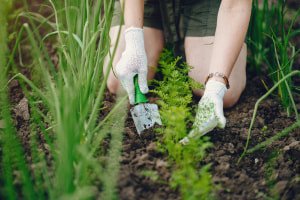
Growing your own food is one of the most powerful things a prepared household can do, and doing it well comes down to understanding plants. This free online horticulture course from Alison is a thorough grounding in exactly that. It covers the real science of growing, from how stems and roots work to soil, propagation, feeding, and pruning, so you can raise healthy, productive plants instead of hoping for the best. For anyone serious about growing food, this is the deep foundation worth having.
Why This Matters for Preppers
Food security is the heart of preparedness, and a garden is the one food source you can renew yourself, season after season. Stored food runs out, but a gardener who understands plants can keep producing. That is why real horticultural knowledge, not just a packet of seeds and good intentions, is one of the most valuable long-term skills a prepared household can build.
The self-reliance angle here is complete. When you understand how plants actually grow, why they fail, and what they need at each stage, you stop gardening by luck and start gardening by knowledge. You can diagnose a struggling plant, choose the right crops for your climate, propagate more plants for free, and get far more food from the same space. That competence is self-reliance in its most literal, dinner-on-the-table form.
There is a strong budget benefit too. A productive garden lowers your grocery bill, and understanding propagation means you can multiply plants without buying new ones every year. Knowing how to read a nutrient deficiency saves money on the wrong fertilizer, and proper pruning and harvesting protect the investment your plants represent. This course delivers that knowledge for free, and it pays back every season.
And a skilled grower becomes a resource for a whole community. The person who understands plants can help neighbors start gardens, share cuttings and seeds, and troubleshoot problems. In a prepared community, someone with real horticultural knowledge is exactly the kind of person a resilient local food network is built around.
How Plants Actually Grow
Healthy plants are the result of a few systems working together. Roots anchor the plant and take up water and nutrients, stems move those resources and hold the plant to the light, and leaves turn sunlight into food through photosynthesis. When any one of these is limited, by poor soil, too little light, the wrong temperature, or a missing nutrient, growth suffers. Good horticulture is really the practice of keeping all of these needs met at once.
This course teaches those systems and how to work with them. It covers how plant cells grow in different environments, how to choose crops suited to your climate, how to protect plants from temperature extremes, and how light affects plant health. It moves into soil composition, seed propagation and dormancy, spotting nutrient deficiencies, feeding correctly, and the harvesting and pruning that keep plants productive. It even covers the design side of arranging ornamental plantings well.
What You Will Learn
This is a comprehensive grounding in the science of growing. The main outcomes include:
- Understand plant structure: learn how stems and roots function and support growth.
- Work with growth conditions: see how climate, temperature, and light affect plants.
- Choose the right crops: select plants suited to your local conditions.
- Read the soil: understand soil composition and what plants draw from it.
- Propagate plants: learn seed propagation, dormancy, and multiplying plants.
- Diagnose and feed: identify nutrient deficiencies and fertilize correctly.
- Prune and harvest: keep plants healthy and productive over time.
Together these skills make you a genuinely capable grower who understands the why behind every task. That understanding is what turns a hopeful gardener into a reliable food producer, which is exactly what preparedness needs.
What the Course Covers
- Plant structure: stems, roots, and how cells grow.
- Growth conditions: climate, temperature, and light.
- Soil and nutrition: soil composition and nutrient needs.
- Propagation: seed propagation and dormancy.
- Feeding and problems: fertilization and nutrient deficiencies.
- Harvesting and design: pruning, harvesting, and ornamental planting.
Where It Fits in Your Prep
This course is a cornerstone of the food-growing side of your preparedness. Use it to plan a garden that actually fits your climate and soil, to build a propagation habit that multiplies your plants for free, and to troubleshoot problems before they cost you a harvest. The knowledge here makes every other growing effort more productive and more reliable.
It pairs with the other grow-your-own courses on the Free Shelf, from soil and plant science to specific crops and methods. Start here for the broad foundation, then add the specialized courses for the areas you want to go deeper on. Together they build the kind of complete growing knowledge that turns a backyard into a genuine food source.
What This Course Is and Is Not
This is a broad, thorough horticulture course that leans toward the science of growing, which makes it a strong foundation but a more detailed one than a quick how-to. No prior experience is required, though it rewards a genuine interest in understanding plants. It suits anyone serious about growing food or ornamentals well, rather than someone wanting only a few fast tips. Pair it with hands-on practice in your own garden to make the knowledge stick.
The lessons are free to finish. When you complete the course, a certificate is available that you can add to your resume or LinkedIn, and a credential like this can help you make the case for a job or a raise. Buying the certificate is optional and is never required to finish the lessons.
Final Thoughts
A packet of seeds is hope, but real horticultural knowledge is food security. This course gives you the deep understanding that lets you grow reliably, season after season, whatever the year brings. For a prepared household, that ability to produce your own food is among the most valuable skills there is, and this thorough foundation is free to build.
Start the free course and earn your certificate.
Looking for more like this? Browse the Free Shelf, our growing shelf of free Alison courses for preppers.
Some links are affiliate links, and they never change your price. Details: /disclaimer