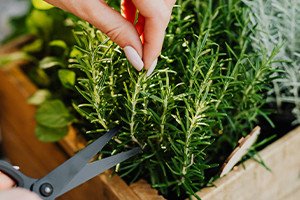
Herbs are one of the most rewarding things a prepper can grow: compact, useful, and productive in even a small space. This free online herb gardening course from Alison teaches you to grow and use them well. In about 1.5 to 3 hours at a beginner level, it covers designing an herb garden, growing herbs organically, and putting them to work in the kitchen, in home remedies, and around the house. For flavor, self-reliance, and a lot of value from a little space, herbs are hard to beat.
Why This Matters for Preppers
Herbs punch far above their weight in a prepared household. They take up little room, grow well in containers, and turn plain stored staples into real, appetizing meals, which matters more than people expect when morale is low. A pot of herbs on a windowsill or a small bed by the door is one of the easiest and most useful growing projects a prepper can start.
The self-reliance angle is that herbs cover several needs at once. The same plants that season your cooking can also go into simple home remedies, natural cleaning, and household fresheners. Learning to grow and use them means producing your own flavor, comfort, and everyday useful products from a tiny footprint. That multi-purpose productivity is self-reliance in a very practical, everyday form.
There is a clear budget benefit. Fresh herbs are expensive at the store and often go to waste, while a few plants supply you all season for the cost of a seed packet. Dried and stored, your own herbs keep that value through the winter. Growing herbs is one of the fastest-paying gardening projects there is, and this course teaches it for free.
And an herb gardener has plenty to share, which builds community. Herbs propagate easily, so cuttings, divisions, and dried bundles make natural gifts and trades among neighbors. Being the person with a thriving herb garden and the knowledge to use it well makes you a warm, practical resource in any group focused on growing and self-reliance.
How Herb Gardening Works
Herbs are forgiving plants, which is part of what makes them ideal for beginners. Most want decent light, well-drained soil, and not too much fuss, and many actually taste better when not overfed. Grown organically, without synthetic chemicals, they are safe for the kitchen and kind to the pollinators that visit them. The key is matching each herb to the right spot and harvesting it regularly, which keeps the plant productive.
This course teaches that whole cycle. It covers the basic requirements and design types for an herb garden, the seasonal conditions herbs need, and how to grow them organically. Then it moves into using them: harvesting culinary herbs for healthy cooking, the traditional healing uses and simple home-remedy recipes, herbal cosmetics and beauty uses, and even herbs as natural fragrances and home fresheners. It is a complete grow-and-use guide.
What You Will Learn
This is a practical, beginner-friendly guide to growing and using herbs. The main outcomes include:
- Design an herb garden: learn the basic requirements and design types.
- Grow organically: raise healthy herbs without synthetic chemicals.
- Time the seasons: understand the seasonal conditions herbs need.
- Cook with herbs: harvest culinary herbs for healthy meals.
- Make home remedies: explore traditional healing uses and simple recipes.
- Use herbs at home: make natural cosmetics, fragrances, and fresheners.
Together these skills let you turn a small herb garden into a source of flavor, comfort, and useful household products. That productivity from so little space makes herbs one of the best-value growing projects a prepper can take on.
What the Course Covers
- Herb garden design: requirements and design types.
- Organic growing: raising herbs without chemicals.
- Seasonal care: the conditions herbs need.
- Culinary use: harvesting herbs for cooking.
- Home remedies: traditional uses and simple recipes.
- Household uses: cosmetics, fragrances, and fresheners.
Where It Fits in Your Prep
Herbs are an ideal starting or expanding project for your food growing. Use this course to plant a small herb garden or a few containers, choosing herbs you actually cook with, and get in the habit of harvesting and drying them for year-round use. It is a fast, satisfying win that adds real value to your kitchen and your stored-food meals.
It pairs nicely with the cooking and food-preservation courses on the Free Shelf, since your herbs make stored staples taste like real food, and with the broader gardening courses for the growing side. It also complements the herbal wellness courses, though this one focuses on growing and everyday household use rather than medicine. Together they round out a genuinely self-reliant, flavorful kitchen garden.
What This Course Is and Is Not
This is a beginner-friendly course about growing and using culinary and household herbs, focused on the garden and the kitchen rather than clinical herbal medicine. Its home-remedy content is traditional and general, not medical advice, so treat those uses as folk knowledge and consult a professional for any health concern. It suits anyone who wants a productive, useful herb garden, rather than someone seeking serious medicinal or clinical herbalism.
The lessons are free to finish. When you complete the course, a certificate is available that you can add to your resume or LinkedIn, and a credential like this can help you make the case for a job or a raise. Buying the certificate is optional and is never required to finish the lessons.
Final Thoughts
Few growing projects give back as much as herbs do for as little space and effort. This course helps you grow them well and use them fully, from the kitchen to the medicine shelf to the rest of the house. For a prepared household, a thriving herb garden is one of the easiest and most rewarding steps toward self-reliance, and it is free to learn.
Start the free course and earn your certificate.
Looking for more like this? Browse the Free Shelf, our growing shelf of free Alison courses for preppers.
Some links are affiliate links, and they never change your price. Details: /disclaimer