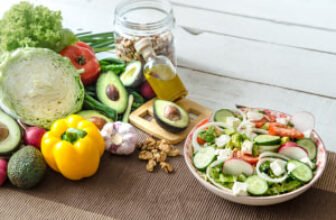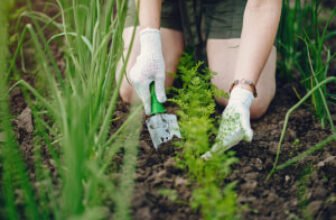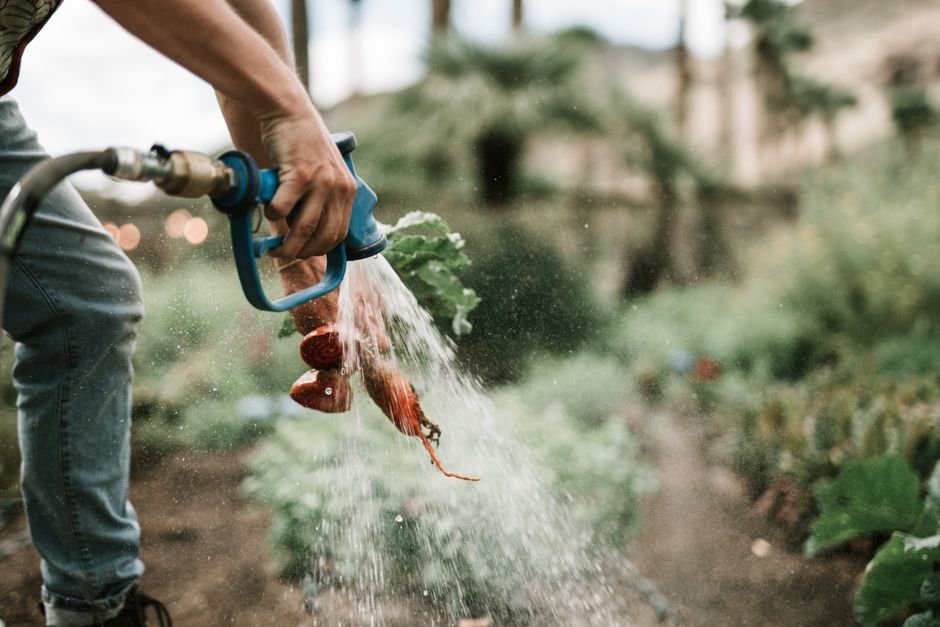
A garden that feeds you from midsummer into fall is a nice hobby. A garden that keeps feeding you through winter, and into the months when grocery prices climb or supply chains wobble, is something closer to insurance. The difference comes down to what you plant. Grow a bed of lettuce and you get salads for a few weeks. Grow potatoes, dry beans, and winter squash and you get calories that sit on a shelf or in a cool corner for months.
The crops below show up again and again on storage crop lists from homesteaders, master gardener programs, and self-reliance writers. They are not exotic. Most are cheap to plant, forgiving to grow, and proven to keep. What matters is matching each crop to the right storage method, because a carrot that keeps for months in damp sand will rot in a warm pantry, and a squash that lasts half a year will turn to mush if you skip curing.
What Makes a Crop Worth Growing for Storage, and Small Cuts Heal Over Before Long-term
Keeping quality is not random. Crops that store well tend to share a few traits. They have thick skins or dense flesh, relatively low moisture, and a natural dormancy that lets them sit without spoiling quickly. Many of them also improve with a curing period, where the skin toughens and small cuts heal over before long term storage begins. The best crops to grow for long-term food storage are the ones that hold their nutrients and stay edible the longest in the hardest conditions.
Storage crops also tend to be heavy producers. Potatoes, carrots, onions, garlic, beans, cabbage, kale, winter squash, tomatoes, and beets consistently rank among the most productive survival garden crops, meaning the space they take up in the garden pays you back twice: once at harvest and again in January when you are still eating from the pantry.
There is a second category worth planning for, and that is crops you preserve rather than cure. Tomatoes, kale, apples, celery, and horseradish will not sit on a shelf on their own, but they can be canned, frozen, or dried into something that keeps. A storage plan that only covers the root cellar leaves out a lot of nutrition.
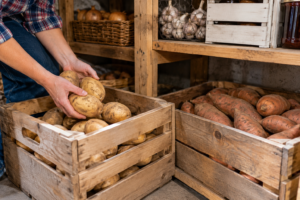
Root Crops That Keep Through Winter
Roots and tubers are the backbone of any long term storage plan. They are calorie dense, they handle cool humid conditions well, and they can be harvested late and eaten for months.
Potatoes and Sweet Potatoes
Potatoes and sweet potatoes are repeatedly named among the best crops for a self sufficient garden, largely because they deliver high calories per square foot. Both are listed among the high calorie storage crops that gardeners should prioritize. Cure them before storage so the skins set, then keep them cool, dark, and ventilated.
Carrots and Beets
Carrots and beets appear on nearly every storage crop list. Most beet varieties store reasonably well, but Lutz stands out for its keeping qualities. Among carrots, Bolero is named for how well it holds. Both crops handle cold storage in damp sand, sawdust, or a humid root cellar.
Onions, Garlic, Leeks, and Shallots
Onions, leeks, shallots, and garlic are staples of homegrown food security and are easy to grow in most climates. They need a proper cure first, with dry skins and a dry neck, before they go into storage. Garlic and horseradish round out this group as easy harvest and store crops.
Turnips, Rutabagas, Parsnips, and Celeriac
These are the workhorses that often get overlooked. Turnips and rutabagas are classic winter keepers. Parsnips sweeten after frost and hold well in cold storage. Celeriac, also called celery root, is a storage crop in its own right, and many gardeners find it easier to keep than celery itself. ‘Gigante’ kohlrabi is another storage crop worth trying, along with Jerusalem artichoke.
Cabbage, Winter Squash, and Other Long Keepers
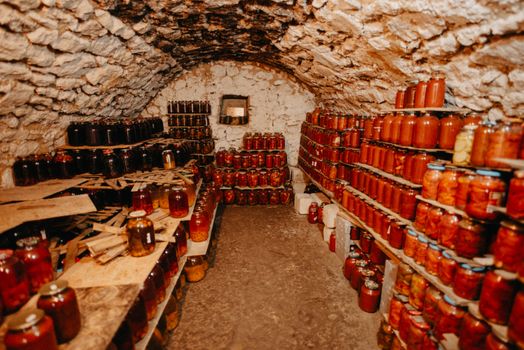
Cabbage earns its place on storage lists for good reason. It keeps for two months or more in cool conditions, and it can also be fermented into sauerkraut, which extends its usefulness far beyond the fresh window. Apples belong here too, since they are listed among crops that hold for two months or more when stored cool and checked regularly for soft spots.
Winter squash may be the best of the bunch. Thick skinned late season varieties, when properly cured, can last six to twelve months. That is a full year of food from a single harvest, stored at room temperature in many cases. Cure squash in a warm spot until the skin hardens and the stem dries, then move it somewhere cool and dry.
Best Crops to Dry for Long Term Storage
Drying is the oldest preservation method there is, and it turns certain crops into pantry staples that need no refrigeration and no electricity.
Dry beans are the standout. They are named on multiple lists of crops that keep for two months or more, and they store as a complete protein you can cook from scratch all winter. Grain corn is in the same category, listed among storage crops that hold for two months or more, and it can be dried and ground into cornmeal. Homegrown wheat and other staple grains also rank among the best crops for a self sufficient garden, though they demand more processing space and equipment than most other crops on this list.
Crops Worth Canning, Freezing, or Dehydrating
Not every valuable crop is a keeper. Tomatoes, kale, celery, apples, and horseradish all appear on storage crop lists, but most of them need some form of preservation before they go on a shelf. Tomatoes can be canned whole, cooked into sauce, or dried. Kale can be frozen or dehydrated into chips and powder. Apples can be sauced, dried, or canned. Celery and horseradish are typically frozen or dried, and horseradish is often processed into a condiment.
The practical takeaway is that a strong storage garden mixes both approaches. Grow crops that keep on their own, and grow crops that need a little work in the kitchen to become shelf stable.
Storage Crops at a Glance
Crop | Main storage method | Notes from storage crop sources |
|---|---|---|
Potatoes, sweet potatoes | Cool, dark storage | Named among high calorie storage crops |
Carrots | Cold storage | Bolero named for keeping quality |
Beets | Cold storage | Lutz known for its keeping qualities |
Cabbage | Cold storage or fermentation | Listed among crops that keep two months or more |
Winter squash | Cure, then cool dry storage | Properly cured, can last 6 to 12 months |
Dry beans | Dry and store | Listed among crops that keep two months or more |
Grain corn | Dry and store | Listed among crops that keep two months or more |
Apples | Cold storage | Listed among crops that keep two months or more |
Onions, leeks, shallots, garlic | Cure, then cool dry storage | Easy to grow crops for homegrown food security |
Turnips, rutabagas, parsnips | Cold storage | Classic winter storage crops |
Celeriac, ‘Gigante’ kohlrabi | Cold storage | Highlighted as easy, healthful storage crops |
Celery, horseradish, Jerusalem artichoke | Freeze, dry, or cold storage | Appear on harvest and store crop lists |
Planning a Garden That Feeds You Past Harvest
Start with calories, not variety. Potatoes, sweet potatoes, dry beans, and grain corn carry more stored energy per pound than salad greens ever will. Build the bulk of your storage plan around those, then layer in the crops that add flavor and nutrients, such as onions, garlic, carrots, beets, and cabbage.
Second, plan your harvest window. Storage crops are generally late season crops. You want them maturing in the cooler weeks so they go into storage already conditioned for cold. Winter squash especially benefits from a long season and full maturity, since immature squash simply will not cure properly.
Third, think about what you can realistically process. A garden full of tomatoes is only valuable if you are prepared to can, freeze, or dry them. Half a bed of dry beans that you can shell and jar is worth more than three beds of something that spoils on the counter.
Mistakes That Cost You a Winter’s Food
Storage failures usually trace back to a few common errors. Storing bruised or cut produce is one, since damage spreads in a crowded bin. Skipping the cure on onions, garlic, and winter squash is another, and it shortens storage life fast. Mixing crops in the same container can also backfire, because apples and other ethylene producers can speed ripening in nearby vegetables.
Temperature swings are the quiet killer. A root cellar that warms and cools repeatedly will sprout potatoes and soften carrots far faster than a steady cool space. Check stored crops regularly, remove anything starting to spoil, and expect some losses each year rather than treating them as a failure.
Finally, treat storage crop lists as a starting point rather than a guarantee. Keeping quality varies by variety, soil, weather, and your specific storage conditions. Grow a few new varieties alongside the ones you trust, note what holds up in your basement or garage, and let your own results shape next year’s seed order.
Frequently Asked Questions
Which storage crop keeps the longest?
Winter squash is often called the ultimate storage crop. Thick skinned late season varieties, when properly cured, can last six to twelve months. Cabbage, carrots, beets, celeriac, dry beans, grain corn, celery, and apples are also listed among crops that keep for two months or more, so they cover the gap until the next harvest.
Do I need a root cellar to store these crops?
Not necessarily, but you do need cool, dark, and steady conditions. A basement corner, an unheated garage, or a closet away from heat sources can work for many root crops. The key is avoiding temperature swings, since repeated warming and cooling causes sprouting and spoilage even in crops known for good keeping quality.
Can a small garden really feed a family through winter?
It depends on garden size, climate, and how many people you are feeding. Potatoes, sweet potatoes, and onions are named among the high calorie and storage crops worth prioritizing for exactly this reason. Combine those with dry beans and winter squash, and even a modest plot can cut your grocery dependence noticeably.
Which varieties are known for keeping well?
Some varieties earn a reputation for storage. Lutz beets are noted for their keeping qualities, and Bolero is named among carrots that store well. ‘Gigante’ kohlrabi and celeriac also appear on storage crop lists. Varieties matter, but so do your growing conditions, so test a few and track results.
Is it worth growing grains like corn and wheat?
Grain corn and homegrown wheat are both named among the best crops for a self sufficient garden, and grain corn is listed among crops that keep for two months or more once dried. They do require drying, storage space, and in most cases grinding equipment, so they suit gardeners ready for that extra processing work.