Nobody plans the day they reach for the roll and find the cardboard tube. It usually shows up at the worst time, during a storm or a snowed-in weekend when the store is closed anyway. That is really what people mean when they search “cowboy toilet paper.” The good news is that bathroom basics are one of the cheapest, least dramatic things you can prep for. This guide covers what the term means, the low-cost options worth keeping, how much to store, and how to rotate it. No doom, no tactical gear. Just a stocked shelf.
What Cowboy Toilet Paper Actually Means
There is no official definition, which is part of why the phrase gets around. The old version points back to trail and range life: whatever a cowboy had on hand out in the open, from leaves and grass to a scrap of cloth. Not exactly a system.
In off-grid and prepping circles the meaning has drifted. These days it tends to be a catch-all for any improvised, reusable, or non-paper wipe you might reach for when a roll is not around. So when someone types it into a search bar, they are usually asking one plain question: what do I use for bathroom basics if the normal supply is gone? That is the question worth answering, so that is where the rest of this guide goes.
Why This Keeps Coming Up in Prepping Circles
Bathroom supplies are easy to overlook and genuinely stressful to run out of. Toilet paper is bulky, it eats real shelf space, and a family can go through a surprising amount in a single week. A backup plan tends to pay for itself in peace of mind more than anything else.
A few reasons it earns the attention:
- It is cheap to handle. Most of the best options cost close to nothing and use things already in the house.
- It cuts real stress. Knowing the bathroom is covered helps you keep a level head during an outage or a supply hiccup that keeps everyone home for a few days.
- It fits the rest of your preps. If you already store water, food, and some power backup, this is the small missing piece that turns a short disruption into a quiet staycation instead of a scramble.
This is not about a worst-case scenario. It is about a boring Tuesday, a shipping delay, or a long weekend indoors, the ordinary moments where a little planning quietly earns its keep.
Before we look at common low-cost backup TP options, a less common option is to grow your own toilet paper. Check out our article with the best options if you want to grow substitute toilet paper.
Low-Cost Backup Options, Compared
You do not have to pick just one, and honestly you probably should not. The budget-smart move is a small mix, so if one option runs short you reach for the next without thinking about it. Here are the four that give you the most for the least.
| Option | Cost | Washing? | Best for |
| Reusable cloth wipes | Near free | Yes | Lowest cost over time |
| Wet wipes, sealed | Moderate | No | Grab-and-go ease |
| DIY sanitation kit | A few dollars | Depends | Turning it into a system |
| Items you already own | Free | Depends | Starting this afternoon |
Reusable Cloth Wipes
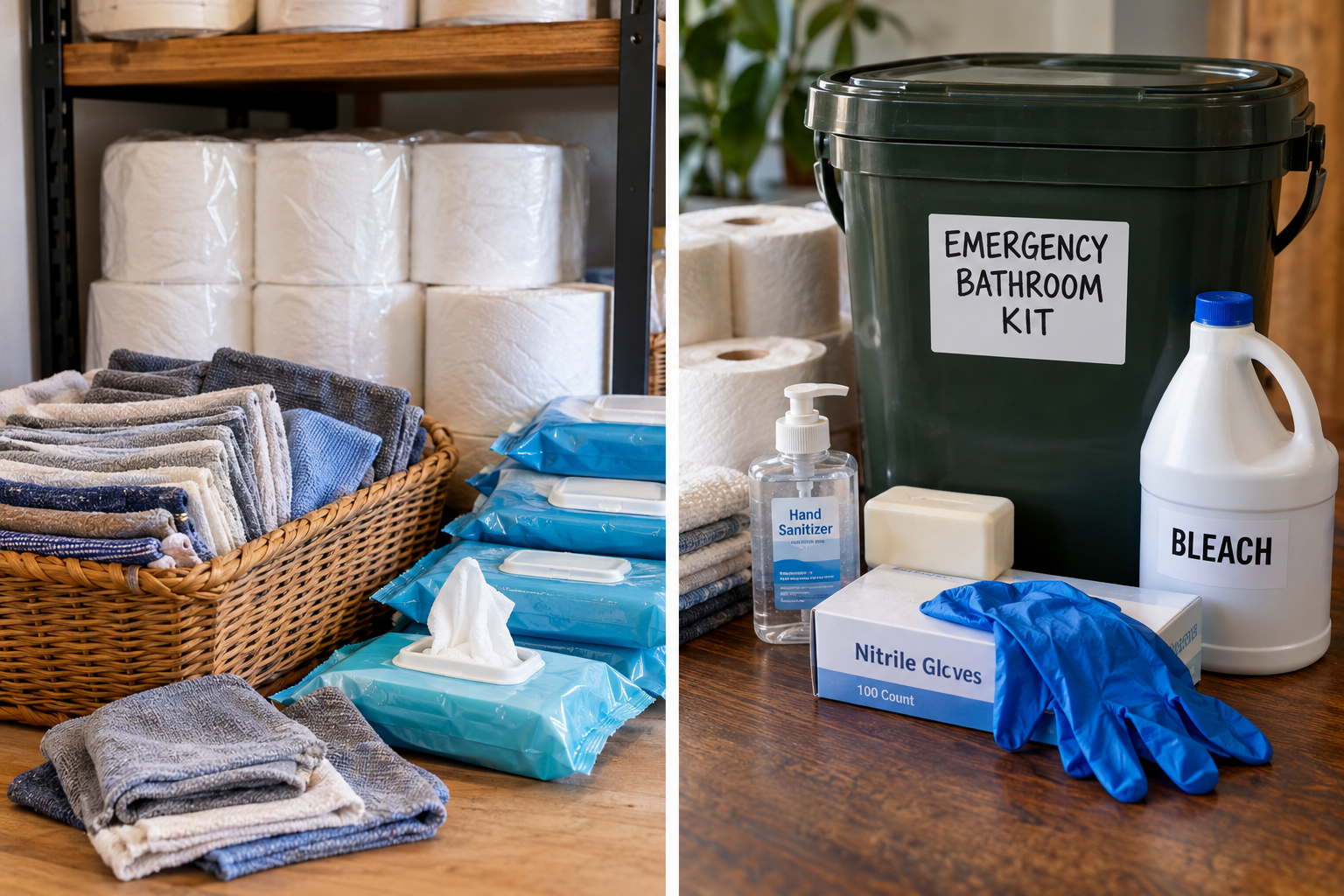
Cloth is the classic money-saver. Cut up old flannel sheets, worn t-shirts, or soft towels into squares and you have a washable wipe for a fraction of the cost of paper. The catch is the laundry: you will want a lidded bucket, a little mild detergent, and a wash bag to keep it simple. For most households that trade is worth it, and it is the option I would build the stash around.
- Pros: near free if you use fabric you already own, and reusable more or less forever.
- Cons: it needs washing, so plan for soap, water, and a dedicated bin.
Wet Wipes and Sealed Packs
Buying wet wipes is the closest thing to a one-step answer, and there is nothing wrong with wanting easy. Sealed, unopened packs keep for years, so the smart play is to buy them when the price per wipe is genuinely low, not when you are already in a pinch. Watch multipacks and clearance.
- Pros: ready to use, no washing, and one pack covers a lot of ground.
- Cons: they dry out once opened, cost more per wipe than cloth, and large quantities get heavy.
A Simple DIY Sanitation Kit
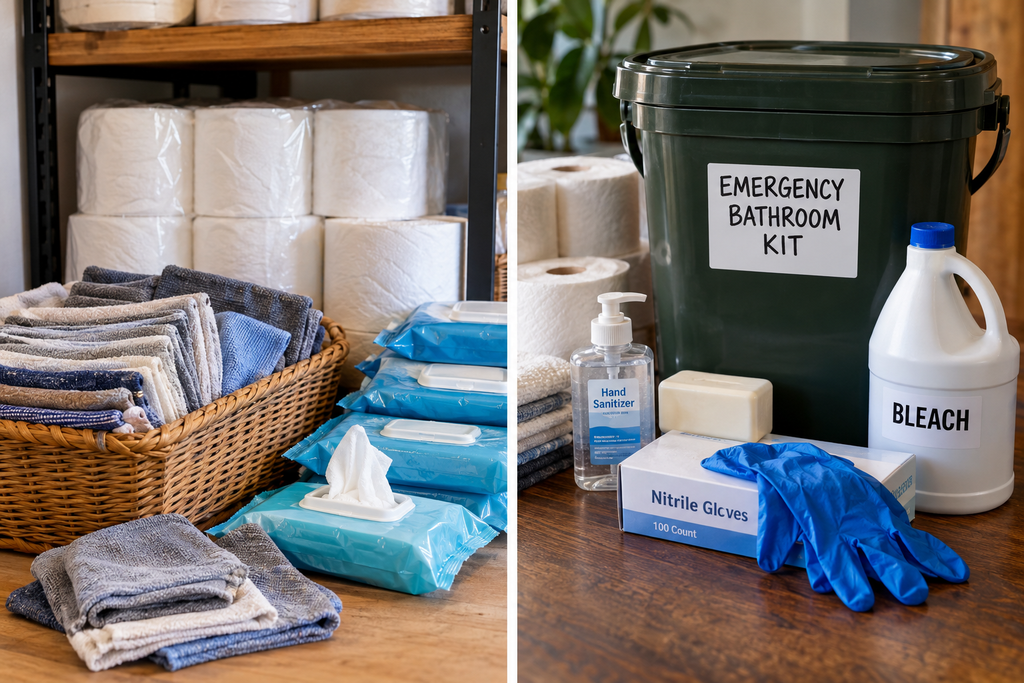
A small kit is what turns improvising into a system you can actually trust. You do not need to buy a pre-made one. A few dollar-store items and a spare bin will do, and here is roughly what goes in it:
- A lidded bucket or sealable bin
- A week or two of whichever wipe option you chose
- Nitrile or rubber gloves
- A disinfectant such as bleach, clearly labeled and stored away from kids and pets
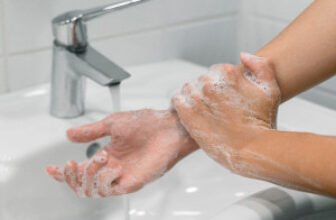
- Hand sanitizer and a bar of soap
Everyday Items You Already Own
Some of the most useful backups are sitting in the house right now. A small spray bottle of water, a squeeze bottle for a portable rinse, a stack of soft paper towels, a folded cloth. Here is the part people skip: try a couple of these before you need them. Five quiet minutes now tells you what feels practical for your family, which beats figuring it out in the dark.
How Much to Store Per Person
There is no magic number, but a sensible starting point is about two weeks of bathroom supplies per person, then adjust from there. A quick way to size it:
- Count the household. Estimate your normal weekly use of your main wipe option.
- Double it and add a buffer. That rough figure is your two-week target.
- Store a mix. Cloth plus a few sealed wipes, for example, so one shortage does not sink the whole plan.
On a tight budget, start with one week. One week of backup beats none by a mile, and you can add a little each time you spot a verified deal.
Where to Keep It and How to Rotate It
Storage is half the job. Rotation is the other half, and it is the half most of us forget until something has gone brittle in a damp garage. A few habits keep that from happening:
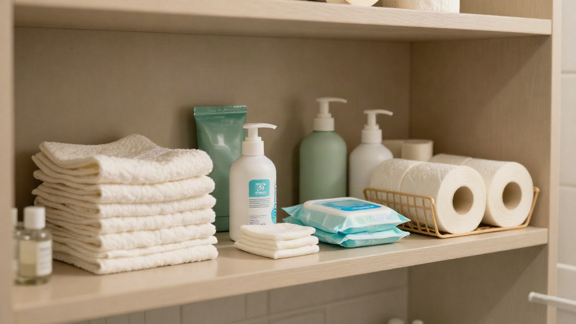
- Keep it dry and cool. Damp bathrooms and garages shorten the life of paper goods. A linen closet or a labeled bin in a climate-controlled spot is ideal.
- Label everything. A marker and a strip of tape save you a search later.
- Rotate on a schedule. Once or twice a year, pull the oldest supplies to the front and use them first, the same way you treat pantry food.
- Keep it reachable. Easy to grab during a busy week, but not underfoot every day.
Quick Answers to Common Questions
Is cowboy toilet paper safe to use? The improvised range version, random leaves and plants, is not something I would recommend. Some plants irritate skin and misidentification is a real risk. Stick with the modern, safe options: clean cloth, sealed wipes, or a bought backup supply.
Do I need to spend a lot? No. Reusable cloth made from old fabric is about as cheap as prepping gets, and a basic DIY kit barely dents your budget.
Can I store it long term? Cloth keeps more or less indefinitely if they stay dry, and sealed wipes last for years. Avoid damp storage and rotate your stock.
Is it worth the shelf space? For most families, yes. A small, cheap stash turns a stressful shortage into a minor annoyance, and that is the whole point.
Final Thoughts
Cowboy toilet paper is less a product than a mindset. Bathroom basics are cheap to carry, easy to overlook, and a real relief when the roll finally runs out mid-storm. Build a small mix of reusable cloth, sealed wipes, and a simple kit, keep it dry, and rotate it once or twice a year. Start with one week and add a little whenever you find a genuine deal. That is a calm, low-cost way to keep the whole house covered, no fear required.
You all stay dry out there, you hear?
Jason