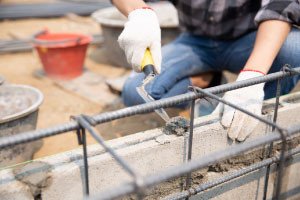
Brick, block, and stone are among the most durable materials you can build with, and masonry is the craft of putting them together to last. A garden wall, a fire pit, a repaired foundation: all of it starts with the fundamentals. This free Alison course, Introduction to Masonry, teaches materials, tools, and practices in about 1.5 to 3 hours. It costs nothing, and it opens the door to building with your own hands.
Why This Matters for Preppers
Masonry builds things that endure. Structures made of brick, block, and stone stand up to weather, fire, and time better than almost anything else, which makes them valuable on a property meant to last. Learning the craft lets you build and repair durable features rather than depending on someone else to do it.
It is also a strong hedge against cost. Masonry work is labor intensive and expensive to hire out, so the ability to handle basic projects yourself saves real money. Even understanding the fundamentals helps you plan a project, buy the right materials, and judge whether a repair is within your reach, which is practical self-reliance.
This course grounds you in the fundamentals done properly: the materials, the tools, and the terminology and math the trade relies on. That solid base is what turns a rough idea into a wall that stands straight and lasts, rather than a pile that fails the first hard winter.
How Masonry Works
Masonry joins individual units, bricks, blocks, or stones, with mortar into a strong, stable whole. The course starts with the importance and history of the trade, then defines the terminology so the language of masonry makes sense. Clear terms are the first step to following any instruction or plan.
From there you learn the common masonry units and construction materials, and the tools masons use to place and shape them. The course also covers the role of mathematics and technical drawings, because good masonry depends on accurate measurement, level courses, and square corners. Getting those right is what makes the difference between sound work and a costly mistake.
Understanding materials, tools, and the math behind them gives you the mental model a mason works from. That foundation is what lets you approach a real project with a plan instead of a guess.
The math and drawings part deserves a moment, because it is where beginners often stumble. Masonry is unforgiving once the mortar sets, so getting a wall level, plumb, and square from the start matters enormously. The course shows how simple measurement, basic geometry, and a clear drawing keep a project on track, which saves you from the heartbreak of tearing out work that went crooked. It is practical math, not classroom math, aimed squarely at building something that stands true.
What You Will Learn
By the end you will have a clear, beginner-level grasp of the trade. You will be able to:
- Discuss masonry's importance as a profession and craft.
- Outline its history and how it developed.
- Define key terminology used in the trade.
- Describe masonry units and common construction materials.
- Identify masons' tools and what each is for.
- Recognize the role of math and technical drawings.
Together those skills give you the vocabulary and the mental model to start building with brick, block, and stone.
What the Course Covers
- The trade: the importance and history of masonry.
- Terminology: the language of the craft.
- Materials: masonry units and construction materials.
- Tools: the tools masons use and their purposes.
- Math and drawings: measurement and reading technical plans.
Where It Fits in Your Prep
This course sits in the Fix-It Homestead track alongside carpentry, plumbing, and welding. It pairs directly with the bricklaying and masonry techniques course, which puts these fundamentals into hands-on practice. Durable, fire-resistant structures are a real asset on a prepared property, and masonry is the craft that lets you build them to last for generations.
It is beginner friendly and suits any homeowner or homesteader who wants to build lasting features and handle stone and block repairs. A few basic tools and some practice materials are enough to start. The knowledge does not expire, and it makes every masonry project more approachable.
There is a particular preparedness appeal to masonry too. Brick, block, and stone resist fire, weather, and pests in ways wood cannot, which makes them a smart choice for features you want to count on: a durable garden wall, a raised bed, a base for equipment, or a simple outdoor fireplace. Learning to work with these materials means you can add lasting, low-maintenance structures to your property, the kind that quietly hold up year after year.
A clear word on limits and safety. This is an introductory course, not a construction license. Structural masonry, foundations, and load-bearing work are governed by local codes and are best left to professionals or done under proper guidance and inspection. Masonry materials are heavy and cement products are caustic and dusty, so lift carefully, protect your skin, eyes, and lungs, and know when a job is beyond a beginner's scope.
The lessons are free to complete. When you finish, a CPD-accredited certificate is available that you can add to your resume or LinkedIn, and a credential like this can help you enter the trade, support an apprenticeship, or make the case for a raise. Buying the certificate is optional and never required to finish the lessons.
A few hours here leave you understanding a craft that builds things meant to outlast their builder. Masonry rewards patience and care with results that stand for decades, weathering storms and seasons that would wear lesser work away. For a household that values durability and self-reliance, that quiet permanence is a foundation genuinely worth having, and the fundamentals start right here, at no cost at all.
Start the free course and earn your certificate.
Looking for more? Browse the rest of the Free Shelf: free Alison courses for preppers.
Some links are affiliate links, and they never change your price. Details: /disclaimer