Earthquakes strike without notice, which is exactly why the time to prepare is now. When the ground stops shaking, homes can be left without power, water, and safe roads. An earthquake emergency preparedness kit keeps the essentials in one place so you can handle injuries, stay warm, and get by for days if needed.
The goal of a kit is simple: have what you need at your fingertips. According to earthquake preparedness experts, a well-built kit addresses injuries until help arrives and covers basic survival needs during a disruption. Whether you assemble your own or buy a ready-made kit, the items you include matter more than the container you store them in.
What Is an Earthquake Emergency Preparedness Kit?
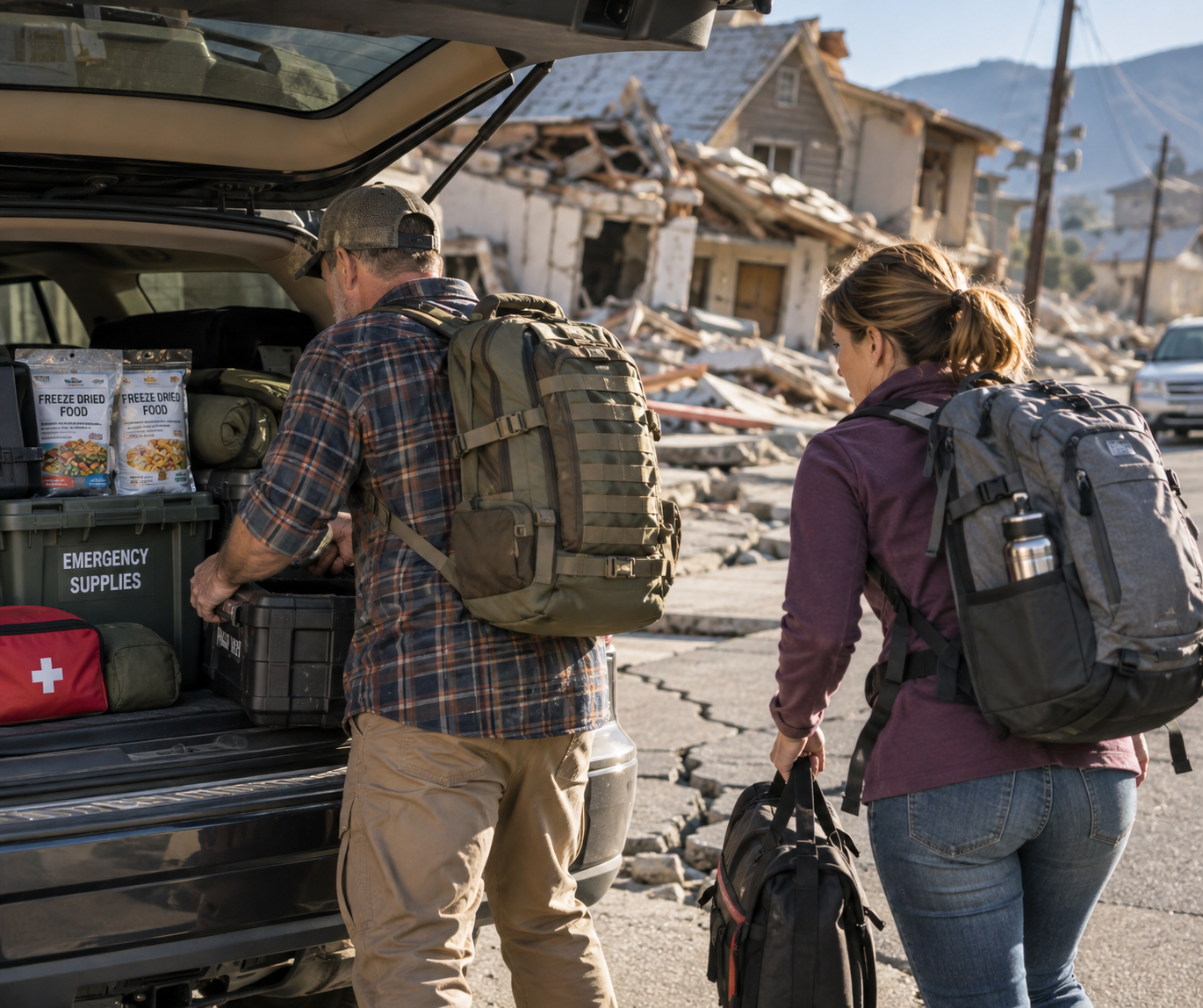
An earthquake emergency preparedness kit is a collection of survival supplies stored in a bag, bin, or backpack so everything is easy to grab in a hurry. Kits are built around the reality that a major earthquake can disrupt utilities, close roads, and delay emergency response. Your household may need to rely on its own supplies for several days.
Most commercial kits follow this same logic. The Red Cross Store offers 3-day emergency kits that include essentials for a short survival period. Other retailers sell kits built for two people for a three-day period, with food, water, and hygiene supplies included. Some kits even include extras like USB chargers and emergency shelter, which makes them a convenient option for households that do not want to shop item by item.
Survival Needs That Every Earthquake Kit Should Cover
Any good survival kit should include supplies that meet ten basic survival needs. While the full list is longer, the most visible needs include food, water, first aid, breathing protection, shelter, and warmth. When you are choosing items for your kit, run each purchase through that mental checklist. If a supply does not cover one of those needs, it may be better to spend your money elsewhere.
Keeping this framework in mind also helps you avoid wasting space on gear you will never use. Focus on the needs your household faces first: staying hydrated, staying fed, treating injuries, keeping warm and dry, and protecting your lungs from dust and debris.
Core Supplies for Your Earthquake Kit
The specific items below appear again and again in expert recommendations and commercial kit listings. Together they form a complete starting point for almost any household.
Water and Food
Water for each family member is one of the first things experts recommend. The USGS notes that a basic earthquake supply kit should include water for each family member, and Red Cross guidance similarly says to gather food, water, and medicine as your first step. For a sense of scale, many ready-made kits are designed around a 3-day period. The Complete Earthquake Bag sold online, for example, includes food, water, and hygiene supplies for two people for three days, with 3600 calories of food included.
Food in commercial kits is often chosen for a long shelf life. The California Earthquake Authority notes that kits feature essential supplies such as 5-year shelf life food and water, along with first aid supplies and other useful items. If you build your own kit, focus on non-perishable items your family already eats, and check the dates when you add them to your storage.
First Aid Supplies
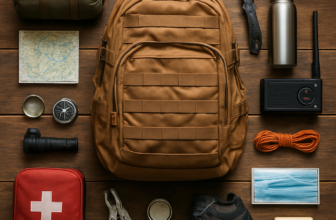
A first aid kit and handbook should be in every earthquake kit. When it comes to injuries, the essentials are straightforward: adhesive bandages in all sizes, butterfly closures in all sizes, tape roll, gauze pad, and gauze roll. These items let you clean and cover cuts, control bleeding, and protect wounds from dirt.
Keep the first aid supplies in a clearly labeled pouch or section so you can grab them quickly. Also include any prescription medicines your household takes. Red Cross guidance names medicine as one of the three things to gather early, alongside food and water.

Light, Power, and Communication
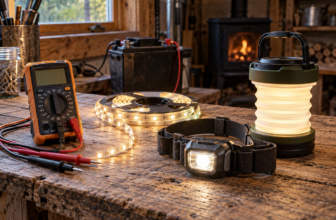
Earthquakes often knock out power. Flashlights with extra bulbs and batteries are a core recommendation from the USGS, and a portable radio with extra batteries will keep you connected to news and emergency instructions when cell service is down.
A lantern with extra batteries makes it easier to light a room without holding a flashlight, and the Wirecutter team includes a lantern among the top tools for earthquake preparedness. USB chargers and external power banks are also common in modern kits; the Red Cross Store lists USB chargers as part of its emergency kit lineup. Keep spare batteries stored next to each device so everything is ready when you need it.
Shelter, Warmth, and Breathing Protection
After an earthquake, you may need to shelter in place or spend time outdoors while officials inspect buildings. Emergency shelter is a staple of commercial kits, and warmth is one of the basic survival needs any good kit should support. Emergency blankets, ponchos, and similar lightweight shelter items help keep your household dry and warm.
Breathing protection is another survival need that is easy to overlook. Dust and debris are common after a major earthquake, so items that filter the air can protect your lungs while you move through damaged areas.
Tools and Home Safety
Two of the biggest earthquake risks are falling furniture and broken glass. Anti-tip furniture anchors are a simple prevention measure that belongs in your home, even if they are not stored inside the kit itself. A sturdy pair of shoes is also a must, because broken glass and debris can cover floors and streets after shaking stops.
A whistle helps rescuers locate you if you are trapped, and duct tape has countless uses from patching tarps to sealing containers. The top tools for earthquake preparedness identified by Wirecutter include a lantern, extra batteries, first aid, duct tape, anti-tip furniture anchors, a sturdy pair of shoes, and a whistle. That list is a solid starting point for any household.
Organize Your Supplies Into Three Kits
The Red Cross advises households to gather food, water, and medicine, then organize supplies into a Go-Kit, a Stay-at-Home Kit, and a Bed-Kit. Each serves a different purpose:
- Go-Kit: a grab-and-go bag for evacuations, with enough food, water, and first aid for a few days.
- Stay-at-Home Kit: a larger stock of supplies for sheltering in place, with batteries and chargers included.
- Bed-Kit: a small pouch near the bed with shoes, a flashlight, a whistle, and other items you may need in the dark.
Include batteries and chargers in each kit, and review the contents every few months. The Stay-at-Home Kit should hold more food and water than the Go-Kit, since you may be home for an extended period while road damage and utility outages are repaired.
Commercial Earthquake Kits Worth Considering
If building a kit from scratch feels overwhelming, several retailers sell ready-made earthquake kits. Redfora markets best-selling, expert-approved emergency kits for earthquakes, wildfires, and hurricanes, with chargers and light included, with prices starting at $32.05. The Red Cross Store carries 3-day emergency kits with USB chargers and emergency shelter, food, and water, including an example priced at $184.00. Amazon sells the Complete Earthquake Bag, which covers two people for three days with 3600 calories of food plus water and hygiene supplies.
The California Earthquake Authority notes that many kits include essential supplies such as 5-year shelf life food and water and first aid supplies, and some companies even make a kit for your pet. That last one is worth remembering: pets need food, water, and comfort too.
Before you buy, compare the contents against your household size and needs. If you want to save money, check a daily deals site like Prepping Bargains for sales on emergency supplies and ready-made kits.
How to Keep Your Kit Ready
Once your kit is assembled, do not let it sit forgotten. Check the expiration dates on food, water, and medications, and replace anything that is close to expiring. Test flashlights and radios, and swap out dead or corroded batteries.
Store your kits where you can reach them quickly. The Go-Kit belongs near the door or in the car, the Bed-Kit belongs on the nightstand, and the Stay-at-Home Kit belongs in a closet or pantry. Make sure every adult in the household knows where the kits are and what is inside them.

Frequently Asked Questions
What are ten items to include in an earthquake kit?
Ten proven items are water, food, a first aid kit, a flashlight with extra batteries, a portable radio with extra batteries, a lantern, a whistle, duct tape, a sturdy pair of shoes, and anti-tip furniture anchors. Together they cover the basic survival needs of hydration, nutrition, medical care, light, communication, and home safety. Add prescription medicines and personal documents to adapt the list to your household.
What should I pack in my emergency go bag for an earthquake?
A go bag should be a grab-and-go version of your earthquake emergency preparedness kit. Pack water, food, a first aid kit, flashlight, portable radio, lantern, whistle, extra batteries, and a charger. Include medicine, a sturdy pair of shoes, and a change of clothes. Keep it near an exit so you can leave quickly if evacuation becomes necessary.
How do I prepare an emergency kit for an earthquake?
Start by gathering food, water, and medicine, as the Red Cross recommends. Then add first aid supplies such as adhesive bandages, butterfly closures, tape, and gauze. Cover light and communication with a flashlight, lantern, and portable radio. Finally, organize everything into a Go-Kit, Stay-at-Home Kit, and Bed-Kit so your household is ready for both evacuation and sheltering in place.
What is the best earthquake kit to buy?
The best kit is the one that matches your household size and covers your basic survival needs. Redfora sells expert-approved kits with chargers and light starting at $32.05, while the Red Cross Store offers 3-day kits with USB chargers and emergency shelter for around $184.00. The Complete Earthquake Bag on Amazon provides food, water, and hygiene for two people for three days. Compare contents carefully, then check Prepping Bargains for current deals.
An earthquake emergency preparedness kit is one of the most practical investments you can make for your household. The supplies do not need to be expensive or complicated, and they do not need to be perfect on the first try. Start with the basics, build out your kits over time, and review them regularly. When the ground starts to shake, you will be glad you did.