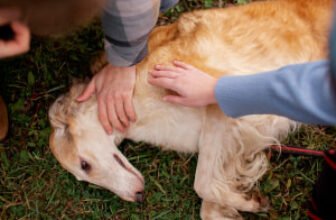
The leash hangs by the door. The bowl gets filled twice a day, no reminders needed. Your pet is family, and a pet emergency preparedness kit makes sure they are covered the way you would cover a child: food, water, medicine, comfort, and the papers that prove they are yours.
The standard readiness advice for people is simple. Keep at least three days of supplies ready to grab, and two weeks’ worth at home. The good news is that the same math works for your dog or cat, and putting it together takes an afternoon, not a whole weekend.
If you have already built a kit for the people in your house but not the four-legged ones, this is the gap worth closing. Here is exactly what goes in a pet kit, how much to pack, and the one part most people forget until the day it matters.
Here is what we will cover:
- What belongs in the kit and why each piece earns its spot
- How much food and water to pack for your pet’s size
- The paperwork that brings a lost pet home
- Where the pet kit fits alongside your family’s supplies
Why Does Your Pet Need an Emergency Kit?
Here’s the thing about emergencies: they rarely give you time to think. When the power goes out or the water goes off, you are moving fast, and your pet is watching you for cues. A ready-made kit means you are not digging through cabinets for a pill bottle or the spare leash while the lights flicker.
Pets feel stress the way we do. A frightened dog bolts. A nervous cat hides somewhere you cannot reach. A kit is not just supplies; it is the collar, the carrier, and the comfort item that keep a scared animal safe and close. Truth is, the calmer you are, the calmer they stay, and having everything in one place is a big part of staying calm.
What Goes in a Pet Emergency Kit? The Full Checklist
A good pet kit covers five simple jobs: keep them fed, keep them watered, keep them healthy, keep them comforted, and keep them identifiable. Build around those five and you will not miss much.
Here is the full checklist. Pack it in a sturdy, water-resistant bin or a dedicated backpack you can grab with one hand:
- Food, three to seven days’ worth in a sealed, waterproof container. Rotate it every few months so it stays fresh.
- Water, a separate supply from the family’s, plus a collapsible travel bowl.
- Medications and a pet first-aid kit, including any prescriptions kept a few days ahead of a refill.
- A sturdy carrier or crate for cats and small dogs, and a spare leash and harness for larger dogs.
- Comfort items, a favorite toy, a blanket that smells like home, maybe a worn shirt of yours.
- Sanitation, waste bags, a small litter tray and litter for cats, paper towels, and a little dish soap.
- ID and records, covered in detail below, plus a current photo of the two of you together.
- A blanket or towel for warmth, drying off, or gently wrapping a frightened animal.
Pair It With Your Family’s 72 Hour Emergency Kit Checklist
Your pet kit should sit right next to your people supplies, not off in another closet. If you have already worked through a 72 hour emergency kit checklist for the family, add a pet section to it so everything travels together. One bin per person, one bin for the pets, all in the same spot by the door.

How Much Food and Water Should You Pack?
This is the question I get most, and the answer is friendlier than you would expect. Start with at least three days, then build toward two weeks at home when your budget allows. Pets do not need fancy emergency rations. Their normal food, sealed and rotated, is perfect.
For water, a rough guide I use is about one ounce per pound of body weight per day. A forty pound dog, then, drinks close to forty ounces on a calm day, and more when it is hot or stressful. Round up, and store a few extra days beyond what you think you need. Your vet knows your pet best, so if your dog or cat has a health condition, ask them what to adjust.
Do not forget a manual can opener if you pack wet food, and a sealed scoop for dry food so you are not measuring by hand in the dark.
The Paperwork That Brings Them Home: ID, Records, and Photos
Here is the part most people skip, and the part I would never leave out. If you and your pet are ever separated, paperwork is what reunites you. It is not the fun part of prepping, but it does the quiet, important work.
- A collar with current ID tags, readable and up to date. Check that the phone number is one you still use.
- Microchip details, and a reminder to confirm your contact info is current with the registry. A chip only helps if the number reaches you.
- Vaccination and medical records, printed in a zip bag plus a photo on your phone. Many shelters and boarding spots ask for proof.
- A current photo of you and your pet together, which quietly proves ownership if you ever need it.
Keep a printed copy in the kit and a digital copy in your phone or the cloud. Two copies, two places. It takes ten minutes, and you will never think about it again until the day you are grateful you did.
Where the Pet Kit Fits in Your Family Plan
A pet is one more member of the household, so the pet kit belongs in the same plan as everyone else’s supplies. It should be as easy to grab as the kids’ bags.
Building on Your Emergency Kit for a Family of 4
If you have put together an emergency kit for a family of 4, you already know the drill: one clear job per bag, stored where you can reach it fast. Add the pet the same way. Decide now who grabs the carrier and who grabs the leash, so nobody is guessing in the moment. If you have kids, giving an older child the job of the pet’s leash makes them feel useful and keeps the animal close.
Store the kit somewhere cool and dry, out of direct sun, and check it when you check the smoke detectors. Twice a year is plenty.
A Quick Note for Cats, Birds, and the Smaller Ones
Dogs get most of the attention here, but the same thinking covers everyone. Cats need a carrier they will actually fit in, a small litter setup, and a hiding-safe blanket, because a stressed cat wants to disappear. Birds and small animals need their carrier, a familiar cover for the cage, and food that will not spoil. Whatever the species, the five jobs stay the same: fed, watered, healthy, comforted, identifiable.
How to Build Your Pet Kit This Weekend
You do not need to buy everything at once. Here is the order I would follow, starting with what you already own.
- Grab a bin. Any sturdy, lidded container or a spare backpack works. Label it clearly with your pet’s name.
- Pack a week of food and water. Use your pet’s normal food, sealed, plus a collapsible bowl and a manual can opener.
- Add health and comfort. Medications, a small pet first-aid kit, a favorite toy, and a blanket that smells like home.
- Handle the paperwork. Printed records and a current photo in a zip bag, plus copies on your phone.
- Store it by the door. Right next to the family’s supplies, and check it twice a year.
Frequently Asked Questions
How Much Water Should I Store for My Dog or Cat?
A rough guide is about one ounce of water per pound of body weight per day, then round up. Store at least three days’ worth to start, and build toward two weeks at home. If your pet has a health condition, ask your vet what to adjust.
Where Should I Keep My Pet’s Emergency Kit?
Somewhere cool, dry, and easy to reach, right next to your family’s supplies by the door. The whole point is to grab everything in one trip, so keep the pet kit in the same spot as everyone else’s.
What if I Have to Leave Home? Can I Take My Pet?
Plan so that you never have to choose. If a place is not safe for you, it is not safe for them. Keep the carrier and leash with the kit, know a pet-friendly place you could go, and build your plan around taking them with you.
Do Indoor Cats Need an Emergency Kit Too?
Yes. Indoor cats are often the hardest to catch when they are frightened, so a carrier they trust and a familiar blanket matter even more. A small litter setup and a few days of their usual food round it out.
How Often Should I Refresh the Kit?
Twice a year is plenty for most families. Tie it to something you already do, like changing the clocks or testing the smoke detectors, and swap out food, water, and any medications so nothing expires.
Final Thoughts
The leash is still by the door, and now there is a bin beside it with your pet’s name on it. That is the whole idea: a little effort today so that a hard day is a lot less hard, for you and for them. You have covered the people in your house. Covering the one with the wagging tail or the quiet purr is the easy, loving last step.
If you want a head start, grab our free family readiness checklist and add your pet’s page to it, so the whole household is ready in one place.
Stay ready, and give them a scratch behind the ears from me.
Diane, the Bargain Propagator