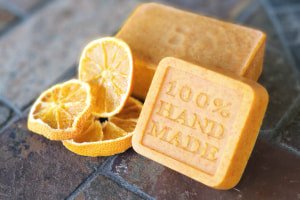
Soap is one of those quiet essentials you never think about until the shelf is bare. It is also one of the most satisfying things you can learn to make yourself, from ingredients you can keep on hand. This free Alison course, Soap Making Masterclass, teaches the craft from scratch in about 1.5 to 3 hours, covering every major method. It costs nothing, and it turns a grocery staple into something you can produce in your own kitchen.
Why This Matters for Preppers
Clean hands are one of the simplest and most important defenses against illness, and that matters more, not less, when normal services are disrupted. Being able to make your own soap means one basic need is covered by your own two hands rather than a supply chain. That is self-reliance at its most practical.
The budget math is friendly too. A basic batch of homemade soap costs little per bar once you have the ingredients, and those ingredients store well. Learning to make it also opens the door to barter and gifts, because good handmade soap is something people genuinely want. A useful skill that also produces a genuinely tradeable good is worth real thought in any serious preparedness plan.
There is an honest safety reason a proper course beats a random tutorial here. Traditional soap making uses lye, a caustic ingredient that demands respect and protective gear. This course covers safety guidelines and troubleshooting alongside the methods, which is exactly what makes it a genuine skill rather than a risky experiment.
How Soap Making Works
Soap is the result of a chemical reaction called saponification, where a fat or oil reacts with an alkali to become soap. The course explains saponification in plain terms, along with the components of soap and how different soaps are classified by use and by the materials they are made from. Understanding the reaction is what lets you follow a recipe with confidence instead of just hoping it works.
There is more than one way to make a bar. The course walks through the main methods: melt and pour, which is the beginner-friendly approach using a ready-made base; hot process, which speeds the reaction with heat; and cold process, the traditional from-scratch method. It also covers rebatching, a way to rescue or reuse a batch. Knowing several methods means you can work with whatever equipment and ingredients you have.
Once you understand the reaction and the methods, the creative part opens up. The course shows how to make specialty soaps, apply safety guidelines throughout, and troubleshoot the common problems every soap maker runs into. That combination of technique and problem-solving is what separates a reliable recipe from a wasted batch.
The learning curve is gentler than most people expect. Melt and pour lets you make a finished bar on your very first try without ever touching raw lye, which is a confidence-building place to start. Once you have a few of those under your belt, moving up to hot or cold process feels like a natural next step rather than a leap. The course is built to take you along that path at a comfortable pace.
What You Will Learn
By the end you will be able to make soap safely and confidently using several methods. You will be able to:
- Understand saponification and describe the components of soap.
- Classify soaps by their use and the materials used to make them.
- Identify essential equipment for a home soap-making setup.
- Explain melt and pour and hot process and when to use each.
- Describe cold process and rebatching for from-scratch and reused batches.
- Apply safety guidelines and troubleshoot common problems.
Together those skills let you turn simple ingredients into a steady supply of a household essential, using the method that fits your situation.
What the Course Covers
- Soap science: saponification, components, and classification.
- Equipment: the tools you need to get started safely.
- Core methods: melt and pour, hot process, and cold process.
- Rebatching: reworking and reusing soap batches.
- Specialty soaps: adding botanicals and simple variations.
- Safety and troubleshooting: handling ingredients and fixing common issues.
Where It Fits in Your Prep
This course sits in the Patch-It-Up track, the handmade goods and making skills that keep a household stocked without a store. It pairs naturally with a candle-making course and a natural soap course, and it complements your hygiene and sanitation knowledge, since clean hands start with soap. Together they make a strong self-reliance bundle.
It is beginner friendly, so you can start with the melt-and-pour method and work up to cold process as your confidence grows. It suits anyone who likes making useful things, wants a hygiene backup, or is curious about a low-cost home craft with barter and gift potential. A modest supply of ingredients stores easily and makes many bars.
A clear word on safety and scope. This is an introductory course, and the from-scratch methods use lye, which is caustic and can cause burns if mishandled. Always follow the safety guidance, wear gloves and eye protection, work in a ventilated space, and keep children and pets away from your workspace. Used with proper care, soap making is safe, rewarding, and genuinely useful.
The lessons are free to complete. When you finish, a CPD-accredited certificate is available that you can add to your resume or LinkedIn, and a credential like this can help you show initiative or support a small handmade-goods business. Buying the certificate is optional and never required to finish the lessons.
A short investment of time here leaves you able to make a true household staple with your own hands. Few skills are so simple to begin and so genuinely useful to keep, and it is exactly the kind of quiet, practical capability a well-stocked home is built on.
Start the free course and earn your certificate.
Looking for more? Browse the rest of the Free Shelf: free Alison courses for preppers.
Some links are affiliate links, and they never change your price. Details: /disclaimer