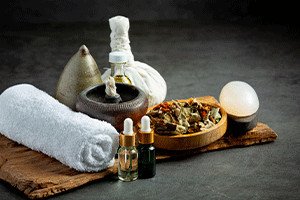
When the power is out and the pharmacy is closed, small comforts matter more than you would expect. A calming scent at bedtime, a cool compress, a way to help a restless house settle down. This free Alison course, An Introduction to Aromatherapy, walks you through more than 35 essential oils and how to use them safely. It costs nothing to take, and it teaches a quiet, low-cost skill that fits neatly into a well-stocked home.
Why This Matters for Preppers
Preparedness is not only about calories and batteries. It is also about morale, comfort, and the small routines that keep a household calm when things go sideways. Aromatherapy speaks to that side of readiness. A few well-chosen oils can help with sleep, ease tension, freshen a stuffy room, or make a long day feel a little more bearable.
There is a budget angle too. A single bottle of a common oil like lavender or peppermint is inexpensive and lasts a long time, because you use it a drop at a time. Learning to use what you have well means you buy less and waste less. That is the show-the-math side of self-reliance: a small, shelf-stable supply that stretches for months.
Safety is the other half of the story, and it is exactly why a real course beats a random video. Essential oils are concentrated. Used carelessly, they can irritate skin, harm pets, or cause trouble for children and pregnant women. Knowing the rules before you open a bottle is the difference between a helpful tool and a mistake. That knowledge is what makes this a genuine prep skill rather than a novelty.
How Aromatherapy Actually Works
An essential oil is a concentrated extract of a plant, usually pulled from the leaves, flowers, bark, or peel. Most oils are steam distilled, which means steam is passed through the plant material to carry the aromatic compounds into a collector, where they separate from the water. Citrus oils are often cold pressed instead, squeezed straight from the rind. The course explains these methods so you understand why quality and price vary so much from bottle to bottle.
Once you have an oil, there are two everyday ways to use it. The first is inhalation: a few drops in a bowl of warm water, on a cotton ball, or in a simple diffuser. The second is diluted topical use, where you mix a small amount of essential oil into a carrier oil like almond or coconut before it touches skin. Dilution is the golden rule. A typical blend for adults is only a few drops of essential oil per teaspoon of carrier, and the course teaches you how to get that ratio right.
Understanding the mechanism keeps you safe. Because these oils are so strong, more is never better. The course drills that point home, which is exactly what you want from a resource you will actually rely on.
What You Will Learn
By the end of the course you will have a working foundation in using essential oils with confidence and care. The lessons cover:
- The main properties of essential oils and what makes one oil different from another.
- How oils are extracted and how to judge quality when you buy.
- Safe dilution and blending including simple ratios for everyday use.
- More than 35 individual oils and the situations each one suits best.
- Basic safety protocols for skin, children, pets, and storage.
Put together, those skills let you build a small, sensible aromatherapy kit and use it well, rather than collecting bottles you are afraid to touch.
What the Course Covers
- Aromatherapy foundations: what essential oils are and how the practice began.
- Extraction and quality: distillation, cold pressing, and how to spot a good oil.
- The oil library: a tour of over 35 oils and their common uses.
- Blending and dilution: mixing oils and carriers in safe proportions.
- Safety and storage: who should avoid which oils, and how to keep a kit fresh.
Where It Fits in Your Prep
Think of this course as the comfort and morale layer of a well-stocked body kit. It pairs naturally with a basic first aid course, a hygiene and sanitation course, and a good herbal remedies course, because all of them lean on the same instinct: taking care of your people with simple, low-cost tools when the usual services are stretched thin.
In practice, a small aromatherapy kit stores easily in a cabinet or a go-bag. It suits anyone caring for a family, and it is especially handy during long outages or stressful stretches when everyone needs a little help winding down. It is a beginner-friendly skill you can start using the same week you learn it.
One honest note on what this is and is not. This is an introductory course for the everyday person and for students of natural wellness, not medical training. Aromatherapy supports comfort and relaxation; it does not treat serious illness, and it never replaces a doctor, a pharmacist, or emergency care. Some oils are not safe for young children, pregnancy, or pets, and none should be swallowed without expert guidance. Learn the cautions, keep expectations realistic, and it becomes a genuinely useful part of your kit.
The lessons are free to work through. When you finish, a CPD-accredited certificate is available that you can add to your resume or LinkedIn, and a credential like this can help you show initiative to an employer or round out a wellness-related role. Buying the certificate is optional and never required to complete the lessons.
For a small investment of time, you come away with a calm, practical skill and a clearer head about safety. That is exactly the kind of quiet capability that makes a household more self-reliant, one bottle at a time.
Start the free course and earn your certificate.
Looking for more? Browse the rest of the Free Shelf: free Alison courses for preppers.
Some links are affiliate links, and they never change your price. Details: /disclaimer