For most of human history, the medicine cabinet was the garden and the hedgerow. People knew which plants soothed a cough, which calmed the stomach, and which helped a scrape heal clean. This free Alison course, Basics of Herbalism, reconnects you with that knowledge. In roughly 1.5 to 3 hours it covers medicinal plants, traditional preparations, and safe home use, all at no cost. For a prepper, that is a skill worth having long before you need it.
Why This Matters for Preppers
Self-reliance starts with knowing how to help yourself with what is close at hand. Herbalism is one of the oldest expressions of that idea. When shelves are empty or a store run is not possible, understanding a handful of common herbs gives you options for everyday comfort that do not depend on a supply chain.
It is also gentle on the budget. Many useful herbs are inexpensive, easy to dry and store, or simple to grow in a pot or a corner of the yard. A jar of dried chamomile or peppermint costs little and keeps for a long time. Learning to prepare a basic tea, infusion, or salve stretches those pantry staples further, which is the same show-the-math thinking that runs through good prepping.
And there is the trust factor. This course does not promise miracle cures. It teaches you to recognize plants, understand traditional uses, and respect the limits and cautions that come with them. That grounded, honest approach is exactly what makes herbal knowledge a real tool rather than folklore you half remember.
How Herbalism Works in Plain Terms
Herbalism uses the natural compounds in plants, which are the same chemistry that gives an herb its scent, flavor, and effect. The course teaches you to distinguish those active components and understand why one plant soothes while another stimulates. That is the foundation for using herbs thoughtfully instead of guessing.
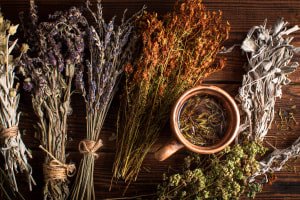
Most home herbalism comes down to a few simple preparations. A tea or infusion steeps the plant in hot water to draw out its qualities. An external preparation, like a compress, wash, or salve, applies the plant to the skin. The course walks through these methods and the traditions behind them, including Traditional Chinese Medicine and Ayurveda, so you see how different cultures developed and organized the same basic craft.
You also learn the guardrails. The course covers how herbal supplements are regulated in the United States, which matters because a plant being natural does not make it automatically safe. Some herbs interact with medications, and some are not right for children or pregnancy. Knowing where the lines are is part of using herbs responsibly.
A simple example makes it concrete. A cup of chamomile or lemon balm tea before bed is one of the oldest calming rituals there is, and the course helps you understand why those plants earned their reputation. Small, repeatable habits like that are easy to keep going even when everything else feels uncertain, which is a quiet form of resilience in itself.
What You Will Learn
The course builds a broad, beginner-to-intermediate footing in practical herbalism. You will be able to:
- Define medicinal plants and recognize common herbs and their traditional uses.
- Distinguish herb-based components so you understand what gives a plant its effect.
- Recall herbal preparations for teas, infusions, and external use.
- Compare traditions including Traditional Chinese Medicine and the principles of Ayurveda.
- Make natural hair and skincare with simple plant-based recipes.
- Understand US supplement rules and the safety cautions that go with herbs.
Together these skills let you keep a small, sensible herb shelf and actually use it, from a calming evening tea to a homemade skin balm.
What the Course Covers
- Foundations of herbalism: what medicinal plants are and how people have used them.
- Plant components: the chemistry that gives each herb its properties.
- Preparations: teas, infusions, and preparations for external use.
- World traditions: Traditional Chinese Medicine, Ayurveda, and aromatherapy basics.
- Herbal beauty and care: natural hair and skincare you can make at home.
- Regulation and safety: how supplements are regulated and how to stay cautious.
Where It Fits in Your Prep
Herbalism sits squarely in the well-stocked body part of a preparedness plan, alongside first aid and hygiene. It pairs beautifully with a grow-your-own gardening course, because the herbs you study are the same ones you can raise in a bed or a windowsill. It also complements an aromatherapy course, since many of the same plants show up in both.
This is a course for the curious beginner who wants a real grounding, and it goes a little deeper than a quick overview, so it rewards paying attention. It suits gardeners, home cooks, and anyone who likes the idea of turning a plant into something useful. Store a few dried herbs, keep your notes handy, and you have a comfort resource that does not need electricity or a pharmacy.
A clear word on what this is and is not. This is educational, not medical training, and it does not qualify you to diagnose or treat anyone. Herbs support everyday comfort and wellness; they are not a replacement for a doctor, a pharmacist, or emergency care. Some herbs interact with medications or are unsafe in certain situations, so always check before use and never rely on an herb for a serious condition.
The lessons are free to complete. When you finish, a CPD-accredited certificate is available that you can add to your resume or LinkedIn, and a credential like this can help you show an employer real initiative or support a role in wellness, gardening, or natural products. Buying the certificate is optional and never required to finish the lessons.
A little time here gives you a skill people have valued for thousands of years, taught with modern safety in mind. That is a solid, self-reliant addition to any well-stocked home.
Start the free course and earn your certificate.
Looking for more? Browse the rest of the Free Shelf: free Alison courses for preppers.
Some links are affiliate links, and they never change your price. Details: /disclaimer