Wiring Practice Essentials: A Free Course in Real-World Electrical Wiring
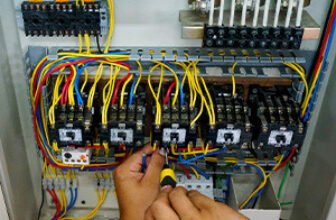
A free electrical wiring course on cables, joints, and wiring schemes for buildings and vehicles, taught in plain, practical steps for beginners.
A free electrical wiring course on cables, joints, and wiring schemes for buildings and vehicles, taught in plain, practical steps for beginners.
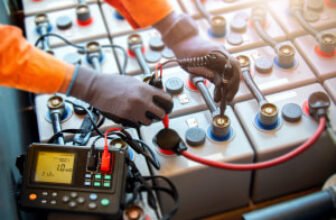
A free Battery Maintenance course covering testing, inspection, and care for lead-acid, lithium-ion, and battery banks, so your stored power lasts.
Take a free Battery Technologies course and learn how batteries really work, from cell chemistry to solar batteries and safe maintenance.

A free solar energy basics course on how panels, batteries, and solar thermal work, so you buy the right setup. Beginner level, about 1.5 to 3 hours.

A free photovoltaic system course on inverters, mounting, disconnects, and battery storage for a grid-tied setup. Intermediate level, about 3 to 4 hours.

A free solar energy engineering course on solar radiation, measurement, and sun-path calculations. Advanced level, about 4 to 5 hours.

A free solar energy engineering diploma on PV cell construction, system design, and stand-alone versus grid-tied installs. Advanced level, about 10 to 15 hours.

A free wind energy course on turbine design, Betz's limit, and how wind power works. Intermediate level, about 3 to 4 hours, with a certificate.

A free renewable energy fundamentals course on solar, wind, water, biomass, and geothermal power. Beginner level, about 1.5 to 3 hours, with a certificate.

A free sustainable and renewable energy course on solar, wind, bio, thermal, and tidal power and their trade-offs. Beginner level, about 1.5 to 3 hours.
Sizing walkthroughs, head-to-head comparisons of the major power station brands, solar panel explainers, and honest coverage of generator safety. We use manufacturer specifications and real-world output rather than peak-wattage marketing, and we name the trade-offs, noise, weight, fuel storage, charge times.
The numbers that matter
• Watt-hours (Wh) is capacity; watts (W) is output. A 1,000Wh unit with a 600W inverter cannot start a 1,200W appliance, no matter how full it is.
• Refrigerators average roughly 1–2 kWh per day, which is the single most common sizing question we get.
• Solar panels produce their rating only in ideal conditions. Plan on 70–80% of nameplate, and count sun-hours rather than daylight hours.
• LiFePO4 chemistry runs 3,000+ cycles versus a few hundred for older lithium — the number that decides ten-year cost.
Write down the devices that genuinely must stay on, find their watts, and multiply by hours. That total is your target. Add a folding solar panel once you own the battery, not before — panels are useless without somewhere to put the energy.
Carbon monoxide from fuel generators kills people every storm season. Outdoors only, well away from doors and windows, with a CO alarm inside the house.
Current prices on stations, panels, and generators are on our power and solar deals page.
Sign up for our best daily picks
These guides are general information. Follow manufacturer instructions and local codes for any product you buy. Some links earn Prepping Bargains a commission at no extra cost to you — it never affects what we recommend.
