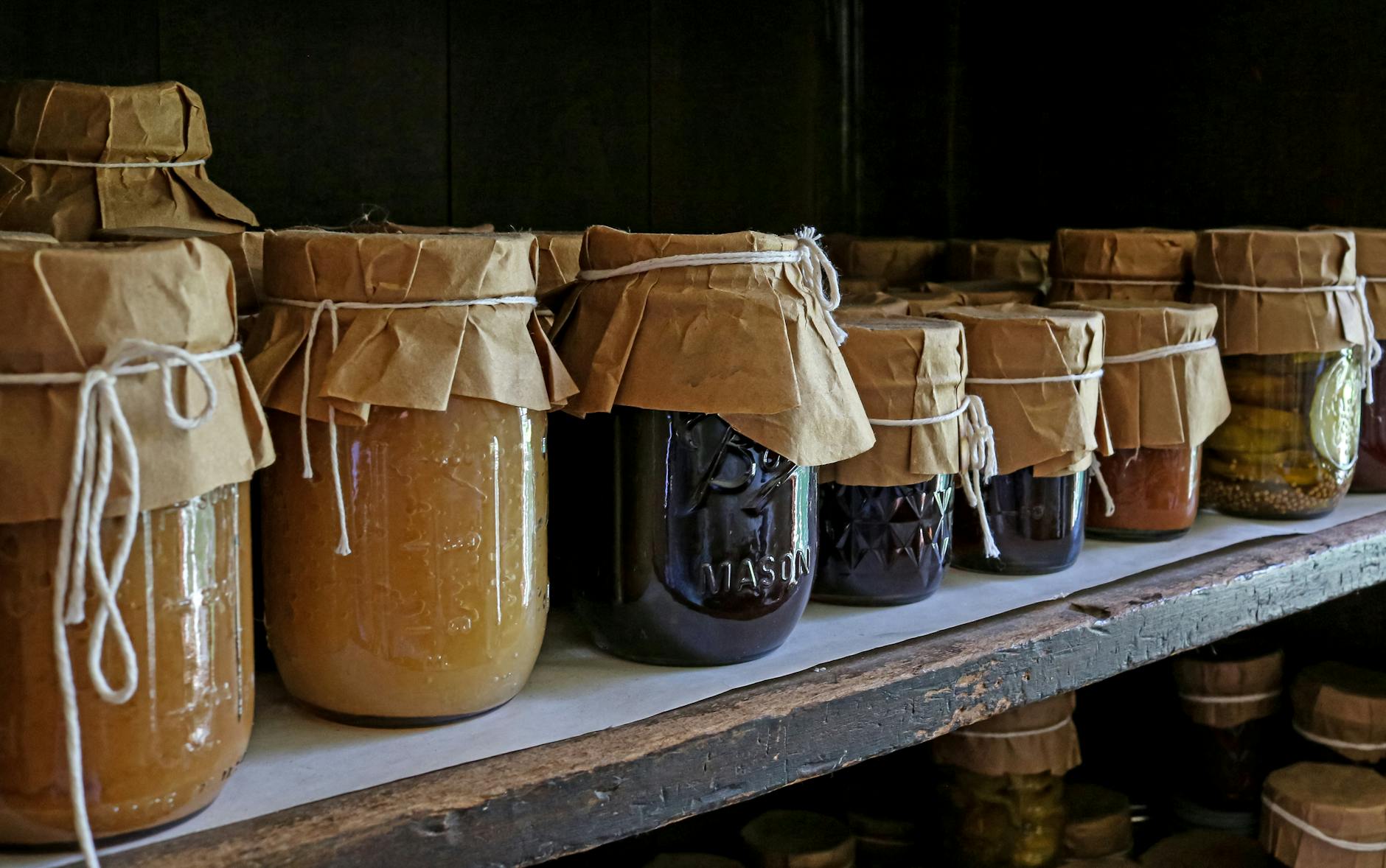
A sealed jar is not proof of safely canned food.
A batch of green beans is packed in jars, the Instant Pot lid locks, and the pressure setting starts counting down. Hours later, the jar lids pop as they cool. That sound confirms a vacuum seal—not that the food was processed safely.
Green beans and most soups are low-acid foods, so inadequate processing can leave behind spores of Clostridium botulinum. Safe pressure-canning instructions depend on reaching the required temperature for the full tested process, including how the canner heats and cools. Standard Instant Pot pressure-cooking cycles have not been validated for that job, even if the appliance has a “canning” setting. For shelf-stable low-acid food, the appropriate choice is a tested recipe and a pressure canner—not an Instant Pot.
Can an Instant Pot safely pressure can food?
No. Instant Pot multicookers are not recommended for pressure canning shelf-stable food, including models with a “canning” setting. That setting does not make the appliance a tested pressure canner or establish a safe process for jars of low-acid foods such as vegetables, meat, and beans.
Pressure cooking dinner and pressure canning jars are different jobs. A meal can be cooked and eaten promptly, then refrigerated or frozen as needed. Food intended for room-temperature storage must instead follow a validated canning procedure: a tested recipe specifies jar size, preparation, pressure, processing time, and altitude adjustments for an appropriate pressure canner.
The pressure shown on a multicooker’s display is not proof that food at the center of every jar reached the required temperature for long enough. Heating, venting, and cooling also affect the process. A sealed lid after processing shows that a vacuum formed; it does not verify safe processing. For shelf-stable low-acid foods, use a suitable stovetop pressure canner and a current, tested recipe.
Do not treat sealed jars from an Instant Pot as shelf-stable simply because the lids have pulled down.
Why low-acid foods need pressure canning
Vegetables, meat, poultry, seafood, and most soups are low-acid foods. They can harbor spores of Clostridium botulinum, the bacterium responsible for botulism. Those spores can survive ordinary boiling temperatures. Once a jar is sealed and stored at room temperature, its oxygen-poor interior can allow surviving spores to grow and produce a dangerous toxin.
The critical acidity boundary is pH 4.6: foods with a pH above 4.6 require a validated pressure-canning process for shelf-stable storage. A suitable pressure canner reaches temperatures above boiling, but temperature alone is not enough. Jar size, processing time, pressure, altitude, and the food’s thickness all affect whether heat reaches the center of the jar adequately.
A soup or sauce cannot be judged safe by tasting its tang or adding a splash of vinegar. Ingredients interact, and thick mixtures can heat differently from thin ones. Only a tested recipe establishes both the necessary acidity and processing method. A sealed lid is not evidence of safety, either: food containing botulinum toxin may look, smell, and taste normal. If a low-acid food was canned using an unvalidated method, it should not be sampled to check it.

What a tested canning process controls
A tested pressure-canning recipe is more than a pressure setting and a timer. It specifies a jar size, ingredients, preparation method, packing instructions, pressure, and processing time that work together to heat the slowest-warming spot in the jar—the food’s coldest point—adequately. A time established for pint jars, for example, cannot simply be assumed sufficient for quarts.
Food preparation matters as much as jar size. Thick purées and tightly packed foods transfer heat differently from pieces surrounded by liquid; changing a tested recipe’s thickness, packing method, or jar size can change how slowly its center heats. Tested instructions account for those differences rather than treating every filled jar alike.
The canner must also be vented as directed before it is brought to processing pressure. Venting drives air from the canner so the steam environment matches the conditions used to establish the recipe. Processing time begins only when the specified pressure is reached, and that pressure must be maintained throughout. At higher altitudes, the required pressure adjustment depends on the recipe and the type of gauge.
After processing, the canner must cool naturally, as directed; forced depressurization changes the heating and cooling pattern on which the process was tested and can cause liquid to escape from jars. These stages are not interchangeable minutes that can be made up by a longer cycle.
A pressure display reports conditions at a sensor, not the temperature reached at the food’s coldest point. Likewise, a lid can seal as a jar cools even if its contents were inadequately heated. Neither observation validates an Instant Pot cycle for shelf-stable low-acid food.
Does the Instant Pot canning setting make it safe?
No. A “canning” button, a pressure readout, or model-specific instructions do not establish that an Instant Pot can safely process jars of low-acid food for shelf storage. The setting may control a cooking cycle, but it does not show that food in the center of every jar reaches the temperature required by a tested canning schedule.
USDA and National Center for Home Food Preservation (NCHFP) pressure-canning schedules cannot simply be entered into an electric multicooker. Those schedules depend on the equipment and procedures used in testing, including venting, pressure maintenance and cooling. Matching the stated pressure and processing time is not enough if the multicooker heats up, regulates pressure or cools differently. A manufacturer’s recipe or marketing claim is not USDA or NCHFP validation.
Purpose-built electric canners are a separate category. Some come with device-specific instructions for particular foods, jar sizes and processes; those directions should not be applied to an Instant Pot. Nor should a USDA schedule or another manufacturer’s instructions be substituted into an electric canner without evidence that the exact process was validated for that device.
For shelf-stable low-acid foods, the dependable choice is a suitable pressure canner used with a tested recipe and its required altitude adjustment. If a device’s documentation does not establish a validated process for the exact food and jar size, refrigeration or freezing is safer than treating a sealed jar as shelf-stable.
Which canning method fits the food?
The safe route depends on both the food and the tested recipe. A pressure setting alone does not establish that heat reaches the center of every jar for long enough.
- Low-acid foods, including plain vegetables, meat, poultry, seafood, and most soups, require a tested process in a suitable pressure canner. Use the specified jar size, preparation method, pressure, processing time, and altitude adjustment. A standard Instant Pot is not a substitute.
- High-acid foods, such as many fruits, can often be processed in a boiling-water canner when a tested recipe specifies that method. Some tested recipes also permit an atmospheric steam canner, subject to its operating limits.
- Tomatoes, pickles, and mixed recipes need closer attention. Tomatoes may require a measured amount of bottled lemon juice or citric acid even when a recipe offers a pressure-canning option. Pickles and other acidified foods rely on specified vinegar strength and ingredient proportions; adding a little vinegar to a low-acid mixture does not make it safe for water-bath canning.
Follow the complete procedure from a reliable, tested source, such as the USDA or the National Center for Home Food Preservation. If the recipe calls for a boiling-water canner or a conventional pressure canner, selecting an Instant Pot pressure cycle cannot replace that equipment or its processing steps.
Choosing a stovetop pressure canner
-
A canner suited to tested recipes
Start with recipes from a reliable canning authority, then check their required jar sizes, processing pressures, and times against the canner’s instructions. A pressure canner should hold at least four quart jars upright on a rack; a smaller pressure cooker is not an equivalent substitute.
Look forA stovetop pressure canner that accommodates the recipe’s jars and process.AvoidChoosing by a “canning” label or pot volume alone. -
Enough usable batch space
Check how many jars fit upright with the rack, required water, and lid in place. A larger stated capacity does not necessarily mean more jars fit in a single layer.
Look forA verified jar count for the sizes used most often.AvoidAssuming the advertised quart capacity equals jar capacity. -
A gauge and altitude plan
Weighted-gauge and dial-gauge canners use different pressure adjustments at altitude; follow the tested recipe’s table for the gauge in use. Dial gauges also need periodic accuracy checks, typically annually.
Look forA readable gauge and a recipe-specific altitude setting.AvoidUsing a sea-level pressure setting at higher elevations. -
A compatible, steady heat source
Confirm that the stove can safely support the filled canner and maintain its required pressure. Induction requires an induction-compatible base; glass-top stove manufacturers may also restrict canner weight or base size.
Look forCanner and stove instructions that agree.AvoidAssuming every flat-bottomed canner works on every burner.
What to do with questionable jars
Does a tight seal mean an Instant Pot–processed jar is safe?
No. A vacuum seal shows that the lid closed; it does not show that the food reached the temperature needed to destroy botulism spores.
Can uncertain low-acid jars go in the pantry?
No. Meat, vegetables, and other low-acid foods processed without a validated pressure-canning procedure should not be treated as shelf-stable, even if every lid is firmly sealed.
Is tasting a small amount a reliable check?
No. Botulinum toxin cannot be reliably detected by sight, smell, or taste, and tasting suspect food can be dangerous.
Can the jars be reprocessed instead of discarded?
Reprocessing is an option only when the jars meet the timing and handling conditions in current National Center for Home Food Preservation or extension guidance. If eligibility is uncertain, follow that guidance for safe disposal rather than trying an improvised second cycle.
Before preparing the next batch, establish whether the food is low-acid or whether a tested recipe makes it acidic enough for another canning method. Green beans are low-acid: safe pressure canning for green beans requires a current, tested recipe and the pressure canner specified for that process—not an Instant Pot pressure-cooking cycle.
Check the recipe’s jar size, packing method, and headspace before filling jars. Follow its canner directions for venting, then use the pressure specified for the local altitude. Start the processing time only when the required pressure is reached, and follow the tested procedure if pressure drops. After processing, let the canner depressurize naturally and leave the jars undisturbed for the directed cooling period before checking seals. A sound seal does not make an untested process safe. If the recipe, jar size, and available equipment cannot be matched, refrigerate or freeze the food instead of putting it on a pantry shelf.
I hope you have learned something from this that helps you can safely,
Kay