Free Martial Arts First Aid Course
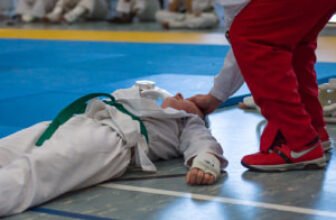
A free first aid for martial arts course: assessing and treating training injuries, the AMPLE method, spotting emergencies, and preventing injury.
A free first aid for martial arts course: assessing and treating training injuries, the AMPLE method, spotting emergencies, and preventing injury.
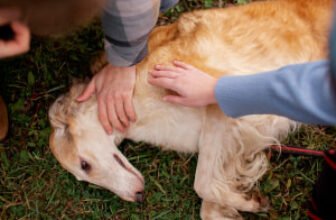
A free pet first aid and CPR course: building a pet kit, pet CPR, wound and fracture care, heatstroke and hypothermia, and spotting household toxins.
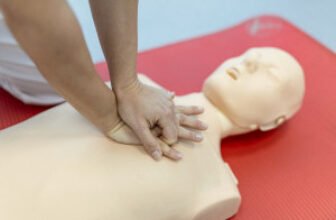
A free lifeguard first aid and CPR diploma: CPR and chest compressions, water rescue techniques, respiratory emergencies, and coordinating with EMS.

A free clinical nursing skills diploma: the anatomy and physiology of the major body systems and the disorders that affect them, head to toe.

A free nursing assistant and patient care diploma: anatomy, infection control, safe patient handling, daily care, wound care, and emergency response.
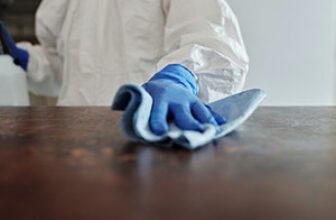
A free infection prevention and control masterclass: cross-infection control, disinfection methods, immunisation principles, and how infectious diseases spread.
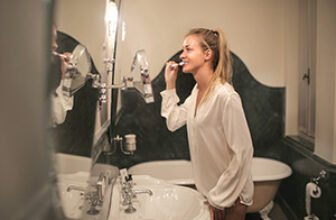
A free dental health and hygiene course: healthy teeth and gums, diet and oral health, children's teeth, denture care, and natural oral care methods.
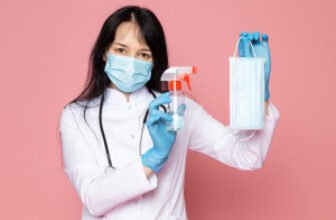
A free course in infection prevention and control principles: how infection spreads, transmission routes, decontamination, PPE, and risk assessment.
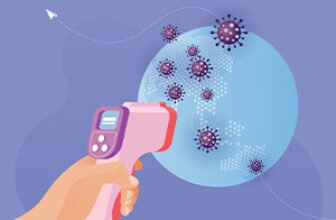
A free course on how infection spreads: the microbiology and bacteriology behind disease, the common causes of spread, and the viruses and diseases to know.

A free foundations of epidemiology course: how disease spreads through populations, outbreak investigation, key concepts and terms, and public-health response.
Kit-building walkthroughs by household type, comparisons of pre-built versus DIY, storage and rotation systems, and plain explanations of what common supplies do. We are not clinicians, and these articles are not medical advice — where a topic touches treatment decisions, we point to Red Cross, Stop the Bleed, and published clinical guidance rather than improvising.
• Expiration dates. Most sterile supplies and OTC medications carry 2–5 years. An annual check keeps a kit real.
• Consumable count. Ten gauze pads beat a hundred adhesive bandages in any kit that gets used.
• One kit per location. Home, each vehicle, and each bag. Supplies you can’t reach in ninety seconds aren’t supplies.
• Training hours. A few hours in a basic first aid or bleeding-control class outperforms any dollar amount of equipment.
Start with the injuries your household actually has — kitchen burns, scraped knees, headaches, seasonal allergies — and stock those generously. Add bleeding control next. Then take a class, and re-take it every couple of years, because these are perishable skills.
Keep a written list of your household’s prescriptions and doses somewhere accessible, and talk to your pharmacist about reasonable refill timing. Current prices on kits and supplies are on our first aid deals page.
Sign up for our best daily picks
These guides are general information. Follow manufacturer instructions and local codes for any product you buy. Some links earn Prepping Bargains a commission at no extra cost to you — it never affects what we recommend.
