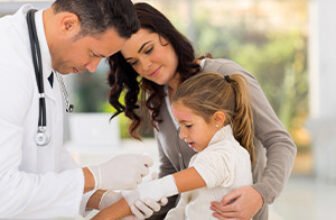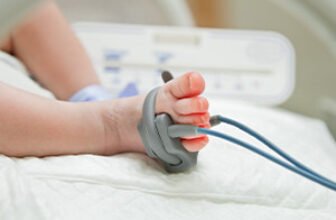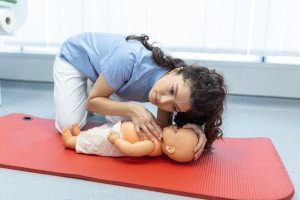
Seeing first aid demonstrated makes it far easier to remember when you need it, and this free Alison course leans into that. Paediatric First Aid, Expert Tips and Hands-On Illustrations runs about 4 to 5 hours with video and covers planning for emergencies, infection control, choking, bleeding, burns, scalds, electrical incidents, and shock in children. It is a practical, visual take on caring for kids.
Why This Matters for Preppers
First aid is a physical, visual skill, and this course’s illustrated, tips-driven approach helps the steps stick. For a caregiver who learns best by seeing, that format turns instructions into images you can actually recall in a stressful moment.
The emergencies it emphasizes, choking, bleeding, burns, and shock, are among the most common and most serious for children. Knowing how to recognize and respond to each, with the visual guidance the course provides, is exactly the readiness a household with kids needs.
For a prepared family, the planning and infection-control content is a bonus. Thinking through emergencies before they happen, and keeping wounds clean when care may be delayed, are both core to handling a child’s crisis well when help is not close.
It also frames the role of the pediatric first aider clearly, so you understand not just the techniques but your responsibilities and limits. That clarity helps you act decisively within what you can safely do.
The visual, tips-based format also makes it easier to share what you learn. Showing a partner or an older child a technique you have seen demonstrated is far simpler than explaining it from memory, which helps the whole household pick up the skills rather than leaving them with one person.
There is lasting value in learning first aid in a form you will actually remember. Techniques taught only as text tend to fade, while ones you have seen demonstrated stay with you, ready to surface in the split second you need them. For a skill you may use rarely but urgently, that recall is exactly what makes the difference.
How the Visual Approach Helps
The course pairs expert tips with hands-on illustrations, walking through how to plan for a medical emergency, minimize infection, recognize choking, manage different types of bleeding, and handle burns, scalds, and electrical incidents in children.
The illustrated format is the differentiator. Because first aid is done with your hands under stress, seeing the techniques demonstrated makes them far easier to recall and perform than text alone, which is a real advantage in a frightening moment.
Reinforce it with hands-on practice all the same. The visuals and tips build strong recall, and practicing the physical steps, especially choking help and bleeding control for children, is what makes them dependable when it counts.
Use the illustrations as a memory anchor and then make the skills physical. Practicing choking help and bleeding control with your hands, ideally on a manikin, turns the images into muscle memory, which is what you will rely on when a child is hurt and there is no time to think.
After the course, put the visuals into your hands: rehearse the choking and bleeding responses, and keep a simple illustrated reference in your child first-aid kit as a memory jog. Backing the images with real practice, ideally on a manikin, is what turns what you have seen into something you can reliably do.
What You Will Learn
The course teaches child first aid in a clear, visual, tips-driven way. Here is what you will learn:
- The role and responsibilities of a paediatric first aider
- How to plan effectively for a medical emergency
- How to minimize the risk of infection
- How to tell when a child is choking and respond
- The types of bleeding and how to treat them
- How to manage burns, scalds, and electrical incidents in children
Together, these illustrated lessons build strong, recallable skills for the emergencies children face most. The visual approach is exactly what helps first aid come back to you when you need it under pressure.
What the Course Covers
- The first aider’s role: the responsibilities and limits of caring for a child in an emergency.
- Planning and infection control: preparing for emergencies and keeping wounds clean.
- Choking: recognizing and responding when a child is choking.
- Bleeding: the types of bleeding and how to control them.
- Burns and electrical incidents: managing burns, scalds, and electrical injuries in children.
Where It Fits in Your Prep
This course is a strong complement to a general pediatric first-aid course, adding a visual, hands-on layer that helps the skills stick. For caregivers who learn by seeing, it is especially valuable.
It fits naturally in the Well-Stocked Body track for any family with children, alongside a well-stocked, child-ready first-aid kit and a simple emergency plan.
As with all first aid, revisit it periodically and make sure more than one caregiver has the training. Fresh, shared skills are what keep a household truly ready.
Keep the training fresh with occasional review, and make sure more than one caregiver has worked through it. Visual skills fade like any others, and a quick refresher keeps them ready.
This is educational first-aid knowledge, and an online course is not the same as hands-on certification. It is never a substitute for professional medical care or for calling emergency services, which you should always do for a serious situation. For a child, get professional help quickly for anything serious. Backed by real practice, it is genuinely useful for parents and caregivers who learn best visually.
The lessons are free to finish. When you complete the course, a certificate is available that you can add to your resume or LinkedIn, and a credential like this can help you make the case for a job or a raise. Buying the certificate is optional and never required to finish the lessons.
Seeing first aid done makes it easier to do, and this free course uses that to build real, recallable skills for caring for children. Learn the visuals, practice the steps, and be ready when a child needs you.
Start the free course and earn your certificate
Looking for more free training like this? Browse the full lineup on our Free Shelf, our hand-picked collection of free Alison courses for preppers.
Some links are affiliate links, and they never change your price. Details: /disclaimer.