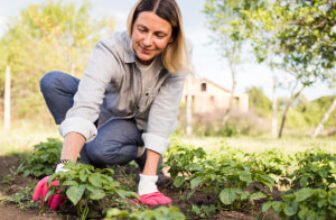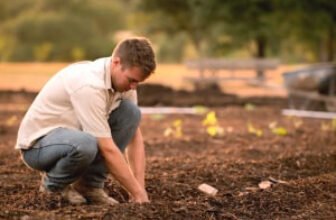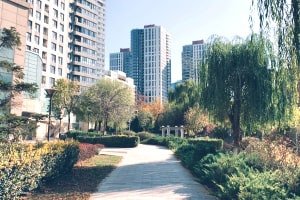
You do not need a homestead to grow your own food. A balcony, a patio, a strip of yard, even a sunny windowsill can put fresh vegetables on the table. This free Alison course, about 1.5 to 3 hours, walks a first-time gardener from bare space to a working garden: reading your soil, finding your USDA hardiness zone, and choosing what will actually thrive where you live. If your growing space is small, start here.
A garden you tend is a food source that does not depend on a shelf staying stocked. Even a modest one changes your relationship to the grocery run, and the skills scale cleanly. What you learn keeping a few containers alive transfers straight to a bigger plot when you are ready for one.
Urban growing is really about working with constraints. Limited space, mixed light, container soil that behaves differently than open ground. This course meets those head on, so you plant with a plan instead of hoping something takes.
One thing worth knowing early: containers dry out fast and feed differently than open ground, so a small garden asks for a little more attention, not less. The course points you toward the simple habits that keep that easy.
This is a true beginner course, built for the person who has never kept a garden alive. It covers the groundwork, space, soil, zones, and tools, rather than advanced technique or a single crop in depth. It fits apartment and small-lot growers especially well. If you already work a full plot confidently, you will move through it quickly.
Why More People Are Growing Their Own
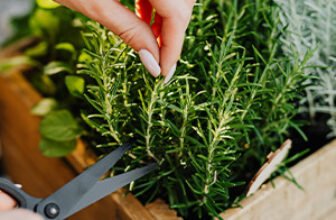
Grocery prices have made a home garden look a lot more practical than it did a few years ago, and interest in growing food has climbed right along with them. You do not have to replace the store to come out ahead. A few productive containers can cover the herbs and greens you buy most often.
There is a resilience payoff too. A garden you know how to run keeps producing when a supply chain hiccups, and it costs pennies once it is established.
What You Will Learn
- The garden spaces hiding in an ordinary home, from beds to containers to balconies
- Why soil quality decides your results before a single seed goes in
- The 12 USDA hardiness zones, and how to find and use yours
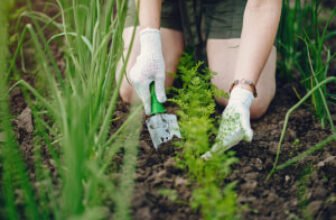
- The basic tools worth owning, from digging tools to a decent pair of gloves
- What actually goes into good soil, and how to build it
What the Course Covers
- Finding your space. You start by spotting the garden spaces already around your home, so you plant where light and access actually support growth.
- Soil first. The course explains why quality soil matters before anything else, and what ingredients make up soil that plants can thrive in.
- Hardiness zones. You learn the 12 USDA hardiness zones and how to match plant choices to yours, which is the single fastest way to stop killing plants.
- Tools of the trade. Watering and digging tools get covered, along with the humble case for a good pair of gardening gloves.
- A bit of history. A short look at how earlier civilizations used urban gardening frames the practice as proven, not trendy.
- Building your plan. The pieces combine into a first productive garden you have actually thought through, rather than a hopeful handful of seeds.
The Credential and Your Resume
The lessons are free to finish. When you complete the course, a certificate is available that you can add to your resume or LinkedIn, and a credential like this can help you land a job or make the case for a raise. Buying it is optional and never required to finish the lessons.
Final Thoughts
That balcony or backyard strip can feed you more than you would guess, and it starts with a plan instead of a guess. This course hands a first-time grower the groundwork in an afternoon. Free to learn, genuinely practical, and the first real step from buying your food to growing some of it.
Start the free course and earn your certificate
For more free training organized by preparedness skill, browse the Free Shelf.
Some links are affiliate links, and they never change your price. Details: /disclaimer.