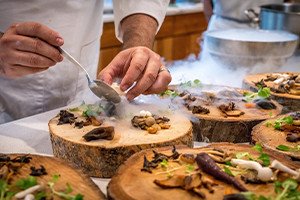
Cooking gets a lot easier once you understand what is actually happening in the pot. This free Alison course, Introduction to Cooking and Gastronomy, runs about 1.5 to 3 hours and teaches the science behind good food: thermal processing, preserving meat and fish, culinary technique, and the food hazards to avoid. It is a short course with a big payoff for anyone who wants to cook with understanding rather than by rote.
Why This Matters for Preppers
Most home cooks follow recipes without ever learning why the steps work. This course fills that gap, and the understanding it gives you is exactly what lets you improvise when a recipe, an ingredient, or the power supply does not cooperate. Knowing why heat changes food, or why one preservation method beats another, turns cooking from guesswork into a skill you can rely on.
For a prepared kitchen, that reliability matters. When you may be cooking from stored or home-raised food, the difference between someone who understands thermal processing and preservation and someone who only knows a handful of recipes is the difference between eating well and wasting food.
The food safety piece is quietly important too. The course covers common food hazards and the line between a food allergy and an intolerance, both of which help you keep a household safe when medical help is not a quick trip away.
There is also a confidence payoff. Once you grasp the concepts behind good cooking, you stop being intimidated by unfamiliar ingredients or methods, and you become the person who can turn whatever is on hand into a proper meal.
Cooking with understanding also stretches a food budget. When you grasp technique and preservation, cheaper cuts and bulk buys become good meals instead of gambles, and a surplus becomes something you can hold rather than waste. Over time, that skill quietly lowers what your household spends to eat well.
A cook who understands food also wastes far less of it. Knowing how to use a whole ingredient, match a method to what you have, and preserve what you cannot use right away means fewer scraps in the bin and more meals from the same groceries. In a household trying to be self-reliant, that efficiency is money and security both.
How the Science Helps You Cook
Gastronomy sounds fancy, but here it just means understanding food and the experience of eating it. The course starts with those concepts, then moves into the practical science: how heat transforms food, why thermal processing makes food safe and palatable, and how preservation methods hold meat and fish for later.
Once you see cooking as a set of predictable processes rather than a list of instructions, you can adjust on the fly. Too little heat, too much moisture, the wrong method for the cut: these stop being mysteries and become problems you know how to solve.
The practical way to use the course is to connect each concept to something you cook often. When it explains thermal processing, think of how you cook and store your proteins; when it covers preservation, think of what you would do with a surplus. Anchoring the theory to real food is what makes it stick.
It also helps to cook the same dishes a few times with the concepts in mind. Notice how heat changes a piece of meat, or how a preservation method affects texture and flavor, and the theory turns into instinct. That practiced instinct is what lets you cook confidently when conditions are not ideal.
It also helps to treat food safety as a habit rather than a chapter. Keep raw and cooked foods separate, mind your temperatures, and handle allergens carefully every time you cook, not just when you remember the lesson. Built into your routine, those small practices quietly protect everyone at your table.
What You Will Learn
For a short course, it packs in the concepts that separate a confident cook from a nervous one. Here is what you will take away:
- What gastronomy is and its core concepts, from structure to the meal experience
- Why thermal processing matters and the methods used
- How to preserve and process meat and fish
- The culinary techniques that suit different meat and fish preparations
- The common food hazards and how to prevent them
- The difference between a food allergy and a food intolerance
Taken together, these lessons give you the reasoning behind good cooking rather than just a set of steps. That understanding is what lets you cook safely and well with whatever ingredients and equipment you happen to have.
What the Course Covers
- Gastronomy concepts: what gastronomy means and the ideas of structure, appeal, and satisfaction behind a good meal.
- Thermal processing: why cooking with heat matters for safety and quality, and the methods involved.
- Preserving meat and fish: the preservation and processing methods that let you hold proteins for later.
- Culinary technique: how to match technique to different meat and fish preparations.
- Food safety: the common food hazards, plus the difference between an allergy and an intolerance.
Where It Fits in Your Prep
This course sits a level above basic cooking, giving you the why behind the how. If you have the fundamentals down and want to cook with more understanding, especially from stored or home-raised food, it is a natural next step.
It pairs well with a hands-on preservation course. This one gives you the concepts, and a canning or curing tutorial gives you the practice, so together they make you genuinely capable with proteins and stored food.
Taken this way, the course is a bridge between knowing a few recipes and genuinely understanding food. That understanding is exactly what a self-reliant kitchen runs on, because recipes run out but principles do not.
This is a short, concept-focused course at an intermediate level, so it teaches you to think about food rather than handing you a stack of recipes. It will not replace hands-on practice, and it is not a professional culinary program. It fits a cook who already knows the basics and wants the science underneath them. A complete beginner may want a cooking-basics course first.
The lessons are free to finish. When you complete the course, a certificate is available that you can add to your resume or LinkedIn, and a credential like this can help you make the case for a job or a raise. Buying the certificate is optional and never required to finish the lessons.
The best cooks understand their food, and this free course is a quick way to start seeing the science on your plate. Cook with understanding, and almost any ingredient becomes something you can handle.
Start the free course and earn your certificate
Looking for more free training like this? Browse the full lineup on our Free Shelf, our hand-picked collection of free Alison courses for preppers.
Some links are affiliate links, and they never change your price. Details: /disclaimer.