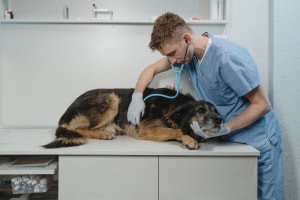
When you keep animals and the nearest vet is far away or the situation is urgent, understanding animal health can make all the difference. This free online veterinary medicine diploma from Alison builds that understanding over roughly 10 to 15 hours at an advanced level. It covers animal anatomy, disease across the body's systems, diagnosis, and emergency decision-making. It will not make you a veterinarian, but it will make you a far more knowledgeable, capable animal keeper, which is a real asset on any homestead.
Why This Matters for Preppers
Animals are a cornerstone of self-sufficient living, and their health is your responsibility. In an emergency, or simply on a rural property where professional care is hours away, understanding what is wrong with an animal and how urgent it is can be the difference between a good outcome and a loss. This diploma builds the knowledge that helps you make better decisions for the animals in your care.
The self-reliance angle is informed judgment. Knowing animal anatomy, recognizing the signs of common diseases, and understanding how veterinarians approach diagnosis lets you assess a sick animal sensibly: what might be wrong, how serious it is, and whether it is an emergency. That understanding helps you act appropriately and communicate clearly with a vet when you can reach one, which is a genuine step up in animal-keeping capability.
There is a value angle worth naming. Veterinary education is normally expensive and hard to access, and this diploma offers a serious grounding for free. Even short of professional practice, understanding animal health helps you prevent problems, catch them early, and avoid the costly losses that come from missing warning signs, which protects the animals a homestead depends on.
And this knowledge makes you a valuable resource in an animal-keeping community. Someone who understands animal health can help neighbors assess their livestock, recognize when a real vet is needed, and prevent avoidable losses. In a community raising animals for food and work, that shared understanding strengthens everyone's resilience.
How Understanding Animal Health Works
Veterinary thinking starts with knowing what healthy looks like, then recognizing when something deviates from it. It combines anatomy and physiology, understanding how the body's systems work, with the ability to observe symptoms, reason toward a likely cause, and judge urgency. A good animal keeper learns to read an animal's condition and behavior, notice early warning signs, and decide when a situation needs professional help right away.
This diploma builds that framework. It covers the field of veterinary medicine, how diagnosis and physical examination work, and diseases across the body's systems, the liver and pancreas, cardiovascular system, immune and blood systems, skin, eyes and ears, and mammary glands. It also covers veterinary emergency decision-making, the judgment of what to do when an animal is in crisis. It is a structured education in understanding animal health and illness.
What You Will Learn
This is an advanced, structured grounding in animal health. The main outcomes include:
- Understand the field: outline what veterinary medicine covers.
- Learn diagnosis: understand diagnostic procedures and physical examination.
- Recognize diseases: identify conditions across the body's major systems.
- Read the systems: understand cardiovascular, immune, skin, and other diseases.
- Judge emergencies: learn veterinary emergency decision-making.
- Assess health: tell healthy from unwell and gauge urgency.
Together these skills make you a far more knowledgeable animal keeper, able to assess health, catch problems early, and act sensibly in a crisis. That understanding protects the animals your preparedness depends on.
What the Course Covers
- The field: an overview of veterinary medicine.
- Diagnosis: procedures and physical examination.
- System diseases: liver, pancreas, cardiovascular, and immune.
- More conditions: skin, eye, ear, and mammary diseases.
- Emergencies: veterinary emergency decision-making.
- Assessment: reading an animal's health and urgency.
Where It Fits in Your Prep
This diploma is the health-knowledge capstone for the animals in your preparedness plan. Use it to understand the animals you keep, recognize problems early, and make better decisions when care is hard to reach. It complements hands-on animal keeping with the deeper understanding of health and disease that helps you prevent and respond to trouble.
It pairs with the poultry, fish farming, and animal nutrition courses on the Free Shelf, which cover raising and feeding, while this one covers health and illness. Together they give you a well-rounded command of keeping animals, from feeding them well to recognizing when something is wrong, which is exactly what a serious animal-keeping homestead needs. Reviewing the common conditions before you ever face one means you can act calmly and quickly when an animal does fall ill, which is exactly when clear, prepared thinking matters most.
What This Course Is and Is Not
This is an advanced educational diploma, and it is important to be clear: it is introductory knowledge for aspiring students and animal keepers, NOT a license or qualification to practice veterinary medicine, which requires a formal veterinary degree. It never replaces a real veterinarian, and any sick or injured animal should see one whenever possible. It suits homesteaders and animal keepers who want to understand animal health deeply, not anyone intending to treat animals professionally.
The lessons are free to finish. When you complete the course, a diploma is available that you can add to your resume or LinkedIn, and a credential like this can help you make the case for a job or a raise. Buying the diploma is optional and is never required to finish the lessons.
Final Thoughts
Keeping animals means taking responsibility for their health, and understanding is the foundation of doing that well. This diploma builds a serious grounding in animal health and disease, helping you care for your animals and know when to call a professional. For a prepared household with livestock, that knowledge is genuinely valuable, and it is free to gain.
Start the free course and work toward your diploma.
Looking for more like this? Browse the Free Shelf, our growing shelf of free Alison courses for preppers.
Some links are affiliate links, and they never change your price. Details: /disclaimer