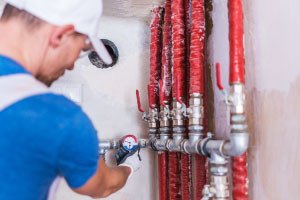
Pick the wrong pipe or the wrong fitting and a repair fails, sometimes quietly for months before it floods a wall. This free online plumbing pipes course from Alison teaches you the materials and parts of a water system in about 1.5 to 3 hours at a beginner level. It covers the pros and cons of the common pipe materials, the difference between fittings and valves, the fixtures and faucets, and the supports that hold it all up. For a prepper doing their own plumbing, knowing the parts is half the battle.
Why This Matters for Preppers
A water system is only as reliable as the materials it is built from, and choosing correctly is something a self-reliant homeowner should understand. Different pipe materials suit different jobs, and mismatching them causes leaks, corrosion, and failures down the line. For a prepared household, understanding the parts means repairs and additions that actually last, which is what real resilience looks like.
The self-reliance angle is confident, correct choices. When you understand why one material suits hot water and another does not, how fittings differ from valves, and what each fixture needs, you can plan and make repairs that hold. You can also stock the right parts ahead of time, so a failure does not leave you scrambling. That preparedness with the correct materials on hand is a practical form of self-reliance.
There is a clear budget angle. Choosing the right material the first time avoids the cost of doing a job twice, and understanding the parts lets you buy exactly what you need rather than over-buying on a guess. Knowing the tradeoffs between plastic, copper, and steel can also save money by matching cost to the job. This course delivers that knowledge for free.
And understanding plumbing materials makes you a genuinely useful resource. Being able to advise on the right pipe or diagnose why a joint failed helps neighbors and family with their own systems. In a community that values fixing things and self-reliance, that practical materials knowledge is quietly valuable.
How Pipes and Fixtures Work
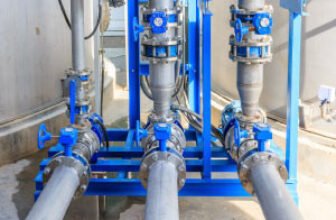
A plumbing system carries water in under pressure and out by drainage, using pipes, the fittings that join them, the valves that control flow, and the fixtures where the water is used. Each pipe material, plastic, copper, cast iron, carbon steel, and flexible CSST, has strengths and weaknesses in cost, durability, and where it can be used. Fittings connect and redirect, valves start and stop flow, and supports keep long runs from sagging or straining their joints.
This course teaches those parts and how to choose among them. It covers the pros and cons of each common pipe material, the basic difference between fittings and valves, how fixtures and faucets differ, and the purpose of pipe hangers and supports. It also covers the sanitation and safety principles that keep a water system healthy. It is the parts knowledge that lets you assemble a repair correctly and understand why it works.
What You Will Learn
This is a practical, beginner-level guide to plumbing materials and parts. The main outcomes include:
- Know the materials: understand pipes and fixtures and what they are made of.
- Compare pipe types: weigh plastic, copper, cast iron, carbon steel, and CSST.
- Fittings versus valves: learn the basic difference and role of each.
- Understand fixtures: distinguish fixtures from faucets.
- Support the system: know the purpose of pipe hangers and supports.
- Keep it safe: apply basic sanitation and safety principles.
Together these skills let you choose the right parts and understand how a water system fits together. That materials knowledge is what makes a home repair last rather than fail, which is exactly what a self-reliant household wants.
What the Course Covers
- Pipe materials: plastic, copper, cast iron, carbon steel, and CSST.
- Fittings and valves: how they differ and what each does.
- Fixtures and faucets: the points where water is used.
- Supports: pipe hangers and why they matter.
- Sanitation and safety: keeping a water system healthy.
- Choosing well: matching materials to the job.
Where It Fits in Your Prep
This course pairs directly with the plumbing tools course on the Free Shelf: tools and math on one side, materials and parts on the other. Use it to understand what your home's pipes are made of, to stock sensible spare parts and fittings, and to plan repairs with the right materials. Together they build real hands-on plumbing capability.
It also leads into the home plumbing course, which covers whole-house systems, and sits alongside the other Fix-It Homestead trades. Learn the parts here, the tools alongside, and the systems next, and you have covered plumbing from the fitting in your hand to the network behind your walls.
What This Course Is and Is Not
This is a beginner-level materials-and-parts course, not a full installation guide or a plumbing license. It builds the knowledge to choose and understand parts, but actual work must follow local codes, and jobs like main lines, gas, and major installs call for a licensed plumber. Always shut off the water before working, and mind backflow and contamination rules that keep drinking water safe. It suits DIY homeowners, not those seeking professional certification.
The lessons are free to finish. When you complete the course, a certificate is available that you can add to your resume or LinkedIn, and a credential like this can help you make the case for a job or a raise. Buying the certificate is optional and is never required to finish the lessons.
Final Thoughts
The difference between a repair that lasts and one that fails is often just the right pipe and the right fitting. This course gives you the materials knowledge to choose correctly and understand your home's water system. For a prepared household doing its own plumbing, that is essential know-how, and it is free to learn.
Start the free course and earn your certificate.
Looking for more like this? Browse the Free Shelf, our growing shelf of free Alison courses for preppers.
Some links are affiliate links, and they never change your price. Details: /disclaimer