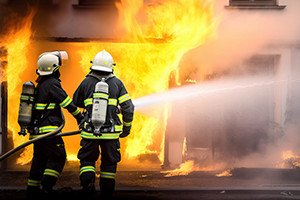
Some subjects reward a quick primer, and some reward real depth. Fire safety is the second kind, especially if you want to protect a larger home, a small business, or a community building. This free online fire safety diploma from Alison is the deep dive, roughly 10 to 15 hours at an intermediate level, covering detection systems, suppression, regulations, risk assessment, fire safety design, and full emergency response. It is the difference between knowing fire is dangerous and understanding how to make a whole building genuinely safer.
Why This Matters for Preppers
Serious preparedness eventually moves from personal to structural. It is one thing to keep an extinguisher in the kitchen, and another to think about how an entire building resists fire: how it is detected, how it is contained, how people get out, and how you recover afterward. This diploma teaches that bigger picture, which is exactly what you need if you are responsible for more than a single room.
The self-reliance payoff is depth. Instead of a handful of tips, you gain a framework for judging fire safety across different environments. You learn why a certain detection system suits one building and not another, why suppression equipment must match the space, and how design choices protect property and lives. That level of understanding lets you make real decisions rather than hoping a contractor or landlord got it right.
There is a budget and value angle that is hard to ignore. Comprehensive fire safety training normally carries a real price tag, and this diploma is free to complete. For a homesteader, a small-business owner, or anyone managing a shared space, that is a serious body of knowledge acquired for the cost of your time. It can also save money by helping you avoid the wrong equipment and the losses a preventable fire brings.
And it builds the kind of standing a community relies on. The person who can lead a fire risk assessment, explain the regulations in plain language, and plan a sensible emergency response becomes a genuine resource. In a prepared network, that structural fire knowledge fills a gap most groups never think to cover.
How Building Fire Safety Comes Together
Protecting a building from fire is a layered job, not a single fix. First you try to prevent ignition through good design and habits. Then you detect early, with alarms and monitoring suited to the space. Then you contain and suppress, using the right equipment for what might burn there. Then you get people out through planned evacuation routes. Finally you plan for recovery, so a fire does not end an operation permanently. Each layer backs up the others.
This diploma walks through all of those layers and, importantly, teaches you to match each one to the specific building. A workshop, a shop, and a family home have different fuels, different occupants, and different risks, so their fire safety plans should differ too. You also study the regulations and standards that govern this work, which is what keeps a plan grounded in proven requirements rather than personal opinion.
What You Will Learn
This is a broad, structured program, and its outcomes reflect a professional approach to fire safety. The main outcomes include:
- Select detection and alarm systems: match the right systems to different building types.
- Assess suppression equipment: judge which suppression tools suit a given environment.
- Outline regulations and standards: understand the fire safety rules that apply in different settings.
- Identify roles and responsibilities: see who is accountable for fire safety in an organization.
- Conduct risk assessments: learn a repeatable process for finding and rating fire hazards.
- Apply prevention strategies: reduce the chance of a fire starting in the first place.
- Understand fire safety design: see how design choices protect people and property.
- Plan emergency response and recovery: prepare for firefighting support, evacuation, and getting back on your feet.
Together these outcomes add up to real competence. You come out able to look at a building and reason through its fire safety from prevention to recovery, which is a rare and genuinely useful skill for anyone responsible for a space.
What the Course Covers
- Detection and alarms: choosing systems that fit specific buildings.
- Suppression equipment: matching extinguishing tools to the environment.
- Regulations and standards: the rules that shape compliant fire safety.
- Roles and risk assessment: responsibilities and the process for finding hazards.
- Prevention and design: strategies and design principles that lower risk.
- Emergency response and recovery: planning for the incident and the aftermath.
Where It Fits in Your Prep
This diploma is for the structural layer of your plan. Use it to run a proper fire risk assessment of your home, homestead, or business: map your detection coverage, check that your suppression tools match your risks, confirm two ways out of every area, and write a simple emergency and recovery plan your household or team can follow. The course gives you the professional process, and your building gives you the place to apply it.
It is the natural next step after the shorter fire courses on the Free Shelf. The certificate courses build your awareness and response, and this diploma gives you the depth to plan and manage fire safety for a whole space. Pair it with your first aid and evacuation prep, and you have covered fire from prevention all the way through recovery.
What This Course Is and Is Not
This is an intermediate diploma that goes deep on planning, systems, and compliance. It is thorough educational training, but it is not a licensed fire inspector or fire engineer qualification, and it does not replace the local authority having jurisdiction over your building. It suits owners, managers, and serious preppers who want to lead fire safety for a property, rather than someone looking for a quick five-minute overview.
The lessons are free to finish. When you complete the course, a diploma is available that you can add to your resume or LinkedIn, and a credential like this can help you make the case for a job or a raise. Buying the diploma is optional and is never required to finish the lessons.
Final Thoughts
A single extinguisher protects a corner of a room. A real understanding of fire safety protects an entire building and everyone in it. If you are responsible for more than yourself, the depth in this diploma is worth the hours it asks, and it hands you a professional framework for a fraction of what that knowledge usually costs, which for a prepared household is nothing at all.
Start the free course and work toward your diploma.
Looking for more like this? Browse the Free Shelf, our growing shelf of free Alison courses for preppers.
Some links are affiliate links, and they never change your price. Details: /disclaimer