A single small bottle can do a surprising amount of work. The right essential oil can help you unwind, freshen the air, or ease the tension in tired muscles after a hard day. This free Alison course, Essential Oil Therapy, spends 3 to 4 hours teaching you how to choose, blend, and safely use oils for everyday comfort. It costs nothing to take, and it turns a shelf of pretty bottles into a skill you can actually rely on.
Why This Matters for Preppers
Readiness is not only about the dramatic moments. It is about the long, ordinary stretches when comfort and calm are in short supply. Essential oils give you simple ways to support sleep, mood, and small physical complaints without a trip to the store. That is a quiet kind of resilience, and it matters more than people expect during an extended disruption.
The value per dollar is excellent. Because oils are used a few drops at a time, a modest kit lasts a long while and stores compactly. Learning to select the right oil for the moment means you buy fewer bottles and use each one better, which is exactly the show-the-math thinking that separates good prepping from panic buying.
This course also spends real time on quality and risk, and that is what makes it trustworthy. It teaches you what separates a good oil from a poor one, and it is honest about risks like skin irritation. Knowing the cautions up front is what makes essential oils a dependable tool instead of a gamble.
There is a practical care angle too. The course covers uses for skin and hair, which matters when normal routines are disrupted and you are making do with less. A simple, well-made blend can help you keep up basic self-care and morale during a rough patch, and that steadiness is worth more than people give it credit for.
How Essential Oil Therapy Works
Essential oils are concentrated plant extracts, and their scent carries compounds that can influence how relaxed or alert you feel. The course covers the physiological, psychological, and emotional effects people report, along with the cultural history that shaped how these oils are used. That context helps you understand what you are working with rather than following a trend.
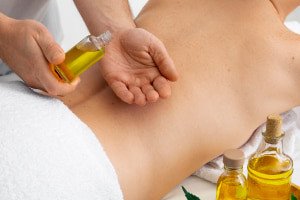
The practical core is selection and application. You learn to match an oil to a need, judge quality before you buy, and apply oils correctly through methods like inhalation or properly diluted skin contact. Blending is a big part of it, because combining oils thoughtfully can enhance their therapeutic effect and make a blend more pleasant to use.
Safety runs throughout. The course flags risk factors such as skin irritation and teaches proper application so you get the benefit without the trouble. That focus on doing it right is exactly what you want from something you plan to keep on the shelf for years.
What You Will Learn
By the end you will be able to build and use an essential oil kit with real confidence. The lessons cover how to:
- Recognize quality factors that separate good oils from weak ones.
- Select appropriate oils for individual needs and situations.
- Identify risk factors such as skin irritation, and avoid them.
- Explain blending techniques that enhance an oil's therapeutic effect.
- Describe proper application for safe, effective everyday use.
- Use oils for stress and comfort including muscle discomfort and mood.
Together those skills let you reach for the right bottle at the right moment and use it safely, which is the whole point of keeping a kit.
What the Course Covers
- History and significance: the cultural roots of essential oil use.
- Benefits and effects: physical, psychological, and emotional.
- Quality and selection: how to judge oils and choose the right one.
- Blending techniques: combining oils to enhance their effect.
- Application and safety: proper methods and risks like skin irritation.
- Everyday uses: stress, mood, skin, hair, and muscle comfort.
Where It Fits in Your Prep
This course lives in the comfort and morale layer of a well-stocked body plan. It is a natural next step after an introductory aromatherapy course, going deeper on selection, quality, and application. It also pairs nicely with herbal remedies knowledge, since both are about caring for your household with simple, plant-based tools.
It is beginner friendly but a touch more applied than a pure overview, so it suits someone ready to move from browsing bottles to using them well. A compact oil kit is easy to store in a cabinet or a bag, which makes this a skill you can start putting to work the same week you learn it. Start with a few versatile oils you will actually reach for, learn them properly, and add more only as you find real uses for them.
An honest note on what this is and is not. This is an educational course, not medical training, and it does not qualify you to treat illness. Essential oils support comfort and relaxation; they are not a substitute for a doctor, a pharmacist, or emergency care. Some oils can irritate skin or are unsafe for children, pregnancy, or pets, and they should never be swallowed without expert guidance. Learn the cautions, do a patch test, and keep expectations sensible.
The lessons are free to complete. On finishing, a CPD-accredited certificate is available that you can add to your resume or LinkedIn, and a credential like this can help you show initiative to an employer or round out a wellness-related role. Buying the certificate is optional and never required to finish the lessons.
A few focused hours here leave you with a calm, practical, budget-friendly skill you will use for years. That is exactly the sort of quiet capability that makes a home more self-reliant, one small bottle at a time.
Start the free course and earn your certificate.
Looking for more? Browse the rest of the Free Shelf: free Alison courses for preppers.
Some links are affiliate links, and they never change your price. Details: /disclaimer