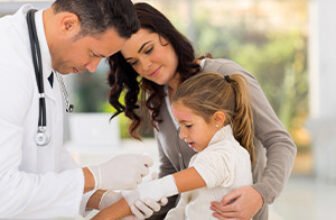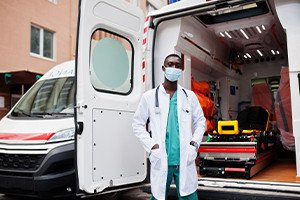
The people who assist on the front line of emergency care combine practical first aid with clear thinking under pressure, and this free Alison course introduces both. Emergency and Ambulance Care Assistant runs about 1.5 to 3 hours and covers first-aid dos and don’ts, rescue procedures, the qualities the role demands, and critical thinking in emergencies. It is a practical look at frontline care.
Why This Matters for Preppers
The course centers on skills that transfer directly to any emergency: knowing the dos and don’ts of first aid, understanding rescue procedures, and thinking clearly when the pressure is on. Those are exactly the capabilities a prepared household values.
Critical thinking in an emergency is a genuine, teachable skill, and this course makes it a focus. Being able to size up a chaotic situation, decide on the right steps, and act is often more important than any single technique.
It also covers rescue procedures, including saving someone from drowning or a fire. Those are dramatic, high-stakes situations where knowing the correct, safe approach ahead of time can prevent a rescuer from becoming a second victim.
And it introduces the personal qualities and responsibilities of a frontline care role, which is useful whether you are considering that kind of work or simply want to bring that same steadiness to emergencies in your own life.
The rescue skills are also the kind that prevent tragedies from doubling. Water and fire emergencies are notorious for claiming would-be rescuers who act without knowing the safe approach, so learning the correct procedures protects both the victim and you. Knowing what not to do matters as much as knowing what to do.
The blend of practical skill and clear thinking is also what holds up when a situation does not match the textbook, which real emergencies rarely do. A responder who can reason through a novel problem, calmly and step by step, is far more valuable than one who only knows a fixed set of moves. That adaptability is a genuine asset in any crisis, medical or otherwise.
How Frontline Care Works
The course covers the first-aid dos and don’ts, the terminology used in emergency care, and the procedures for rescues like drowning or fire, alongside the personal qualities and critical thinking the role requires.
The emphasis on critical thinking is the standout. Emergencies rarely match a textbook exactly, so the ability to reason through a novel situation, step by step, is what makes a responder genuinely effective rather than just trained.
Take it as a practical overview that sharpens both your skills and your judgment. As with all first aid, reinforce the hands-on elements with real practice so they are ready when you need them.
Practice the critical-thinking steps on ordinary problems, not just emergencies. The habit of pausing, sizing up a situation, and choosing a deliberate response transfers directly to a crisis, where that same discipline keeps you from acting rashly.
Build the habit by applying the critical-thinking steps to ordinary decisions, so the discipline is there when it counts, and by rehearsing the safe approach to a water or fire rescue in your mind before you would ever need it. Reinforce the first-aid elements with hands-on practice so skill and judgment develop together.
What You Will Learn
The course blends practical first aid with the clear thinking frontline care demands. Here is what you will learn:
- The dos and don’ts of first aid
- The terminology and abbreviations used in first aid
- The procedures for saving someone from drowning or a fire
- The skills and personal qualities an ambulance care assistant needs
- Some common disorders of the immune system
- The types of vaccines and their purposes
- The benefits of critical thinking in emergencies
- The steps involved in critical thinking
Together, these lessons combine practical care with the mental discipline to use it well. That pairing of skill and judgment is exactly what turns a willing helper into a genuinely capable one.
What the Course Covers
- First-aid essentials: the dos and don’ts and the terminology of emergency care.
- Rescue procedures: the correct, safe approach to rescues like drowning and fire.
- The responder’s qualities: the skills and personal qualities the role demands.
- Health background: common immune system disorders and the purposes of vaccines.
- Critical thinking: why clear thinking matters in an emergency and the steps to do it.
Where It Fits in Your Prep
This course suits anyone who wants to pair practical first aid with the judgment to use it under pressure. For a prepper, that combination of skill and clear thinking is exactly what emergencies demand.
It complements hands-on CPR and first-aid courses by adding the rescue and critical-thinking angles. Together they build both the techniques and the composure to apply them.
If the frontline role appeals to you, it can point toward volunteer or community emergency work, which strengthens the resilience of everyone around you, not just your own household.
It pairs naturally with hands-on CPR and first-aid practice, which give the physical skills this course frames with judgment. Together they make a well-rounded responder.
This is an educational introduction, not a professional qualification for ambulance or emergency work, and it is not a substitute for hands-on training or professional medical care. As a practical overview that builds both first-aid skills and emergency judgment, backed by real practice, it is a useful free course for almost anyone.
The lessons are free to finish. When you complete the course, a certificate is available that you can add to your resume or LinkedIn, and a credential like this can help you make the case for a job or a raise. Buying the certificate is optional and never required to finish the lessons.
Frontline care is equal parts skill and clear thinking, and this free course builds both. Learn the procedures, sharpen your judgment, and you will meet emergencies with steadiness instead of panic. That composure, paired with practiced skill, is what turns a willing bystander into someone a whole family and neighborhood can rely on when things go wrong.
Start the free course and earn your certificate
Looking for more free training like this? Browse the full lineup on our Free Shelf, our hand-picked collection of free Alison courses for preppers.
Some links are affiliate links, and they never change your price. Details: /disclaimer.