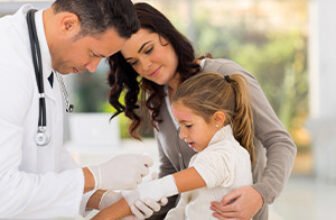
Understanding how emergency medical professionals think can make anyone a more capable responder, and this free Alison course opens that door. Introduction to Paramedicine Studies runs about 1.5 to 3 hours and covers emergency medical response, the body’s systems, assessing vital signs, matching injuries to treatments, and infection control. It is a broad, foundational look at emergency care.
Why This Matters for Preppers
This course teaches the framework professionals use, which raises the ceiling on your own first-aid ability. Understanding body systems, vital signs, and assessment helps you respond more thoughtfully than someone working from memorized steps alone.
For a prepper, that depth is valuable. When you may be the most medically knowledgeable person available, understanding how the body works and how to assess a patient helps you make better decisions under pressure and recognize when something is truly serious.
It also covers the practical realities of emergency response, from recognizing heart attack and diabetic emergency symptoms to infection control. That mix of assessment and specific conditions rounds out a first-aid foundation nicely.
And it offers a window into whether emergency medicine might be a path worth pursuing further, whether as a volunteer, a community responder, or a career, all of which strengthen both you and the people around you.
The knowledge also helps you communicate with real responders. Understanding vital signs, body systems, and assessment lets you give a clear, useful handoff when EMS does arrive, which can genuinely improve the care a patient receives. Speaking the language helps the whole chain of response.
The broader understanding also pays off in judgment, which is often what separates a good response from a harmful one. Knowing how the body’s systems work and how to read vital signs helps you tell a minor problem from a genuine emergency, and it helps you avoid well-meaning mistakes. That discernment is exactly what you want in whoever is making medical decisions when professionals are not yet there.
How Professionals Approach an Emergency
The course introduces the role of emergency medical providers, then builds the knowledge behind it: how the body’s systems work, how to assess vital signs, and how to match injuries and conditions to appropriate treatment.
That systematic, assessment-first approach is what separates professional response from guesswork. Even a simplified version of it, in the hands of a prepared civilian, leads to calmer and better decisions in an emergency.
Take it as an educational overview rather than a qualification. It gives you the concepts and the vocabulary of emergency care, which you can then reinforce with hands-on first-aid and CPR practice.
Use the assessment framework on the small stuff so it is ready for the big stuff. Practice checking vital signs and thinking through body systems on everyday aches and minor injuries, and the process becomes second nature for when it truly matters.
Anchor the learning by practicing assessment on the everyday: check pulses and breathing, notice skin color and responsiveness, and think through what the body is doing, using minor moments as rehearsal. Combine that habit with hands-on first-aid and CPR practice, and the professional framework becomes a real, usable part of how you respond.
What You Will Learn
The course gives you a professional-style grounding in emergency response. Here is what you will learn:
- What paramedicine is and the roles of emergency medical service providers
- The body’s systems and how they function
- How to carry out an initial assessment of vital signs
- How to match injuries with appropriate treatments
- How to recognize heart attack symptoms
- How to recognize diabetic emergency symptoms
- Infection control procedures
- How ambulance equipment is maintained
Together, these lessons give you the framework and vocabulary of emergency medicine. That deeper understanding makes every other first-aid skill you learn more effective and more considered.
What the Course Covers
- The responder’s role: what paramedicine is and what emergency medical providers do.
- Body systems: how the body’s systems work as a foundation for care.
- Assessment: how to check vital signs and assess a patient.
- Injuries and conditions: matching injuries to treatment and recognizing heart attack and diabetic emergencies.
- Infection control: the procedures that keep responders and patients safe.
Where It Fits in Your Prep
This course suits a prepper who wants to go beyond first-aid steps into the reasoning behind emergency care. It deepens your judgment, which matters most when you are the one making the decisions.
It works well after a hands-on first-aid and CPR course, adding the professional framework on top of practical skills. The combination gives you both the how and the why of emergency response.
If it sparks a deeper interest, it can be a first step toward volunteer or community emergency response, which strengthens not just your household but your whole neighborhood’s resilience.
If it sparks a deeper interest, let it. A household or neighborhood with someone pursuing real emergency-medicine knowledge is meaningfully safer for it.
This is an educational introduction, not a professional qualification, and it does not make you a paramedic or a medical provider. It is not a substitute for hands-on training or for professional medical care. As a way to understand emergency medicine and sharpen your judgment as a responder, though, it is a genuinely useful free course.
The lessons are free to finish. When you complete the course, a certificate is available that you can add to your resume or LinkedIn, and a credential like this can help you make the case for a job or a raise. Buying the certificate is optional and never required to finish the lessons.
Thinking like an emergency professional makes you a calmer, more capable responder, and this free course opens that door. Learn the framework, pair it with practice, and bring more understanding to every emergency you face. The more you understand about how the body works and fails, the calmer and more useful you will be when it matters, which is exactly the kind of steady competence a prepared household depends on.
Start the free course and earn your certificate
Looking for more free training like this? Browse the full lineup on our Free Shelf, our hand-picked collection of free Alison courses for preppers.
Some links are affiliate links, and they never change your price. Details: /disclaimer.