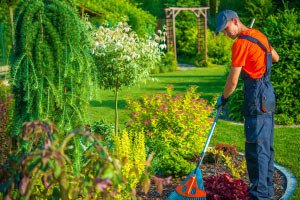
Anyone can stick a plant in the ground. Designing a garden that produces well and does not run you ragged to maintain is the real skill. This free Alison diploma runs about 10 to 15 hours and covers the whole arc: planning and design, soil preparation, ongoing maintenance and pest control, even building raised beds. If you want to plan a garden properly, and earn a credential doing it, this is the deep dive.
A well-designed garden is a self-reliance multiplier. Good layout, healthy soil, and a real maintenance routine mean more food for less work, season after season. Design is what turns a scattered patch of plants into a system that keeps giving.
This diploma also crosses into business territory, covering how to run gardening as a service. Even if you never take a client, that side trains you to treat a garden as something planned, costed, and maintained on purpose, rather than left to chance.
The design habits carry over to food gardens especially well: paths you can actually reach across, beds sized to your arm, and soil built once so you are not fighting it every spring.
This is a broad, longer diploma, not a quick how-to. It spans design, soil, maintenance, pest control, building features, and even the business of gardening. Despite the beginner rating, the time commitment is real. It fits the committed grower who wants to plan a productive garden from the ground up, and anyone weighing gardening as a side income. If you just want to start a few containers, a shorter course fits better first.
Why Design Is Worth the Time
As home gardens get more serious, planning them well has become the difference between a hobby that fizzles and one that actually feeds a household. A thought-out design saves water, work, and wasted plantings for as long as the garden exists.
There is a career angle too. Garden design and maintenance is a real service people pay for, and a documented diploma gives you something to show when you offer it. Depth here works for both the pantry and the paycheck.
What You Will Learn
- How to select the right tools and plants for a garden
- The soil preparation that sets a garden up to succeed
- How to design a garden, from surveying the site to a finished plan
- Maintenance and pest control that keeps it productive over time
- How to build features like raised beds, decks, and patios, and even run it as a business
What the Course Covers
- Tools and plants. You start with selecting the right tools and plant material, the choices that quietly decide how a garden performs.
- Soil preparation. The diploma covers why soil prep matters and how to do it, since nearly every garden problem traces back to the ground.
- Designing the garden. You walk the full design process, from surveying a site to a finished plan, so the layout works before you plant it.
- Maintenance and pest control. Ongoing maintenance and pest control keep the garden healthy, the difference between one good year and many.
- Building features. You learn to build raised beds, decks, and patios, the hardscape that makes a garden easier to work and last longer.
- The business side. Marketing, branding, customer service, and insurance are covered for anyone who wants to turn the skill into a paid service.
The Credential and Your Resume
The lessons are free to finish. When you complete the course, a diploma is available that you can add to your resume or LinkedIn, and a credential like this can help you land a job or make the case for a raise. Buying it is optional and never required to finish the lessons.
Final Thoughts
A garden that feeds you without wearing you out does not happen by accident. It is designed. This diploma teaches that planning end to end, and hands you a credential worth showing at the finish. Free to complete, deep where it counts, and equally useful whether the goal is a fuller pantry or a new line of work.
Start the free course and work toward your diploma
For more free training organized by preparedness skill, browse the Free Shelf.
Some links are affiliate links, and they never change your price. Details: /disclaimer.