A survival garden is a food supply you control. The premise behind the whole approach is that business as usual will not continue as usual, so the garden is built to put food into storage, not just tomatoes on a plate in July. For a beginner, the real risk is not lack of enthusiasm. It is scale. A first season plan that fits your actual yard, your actual water supply, and your actual free hours will always beat an ambitious plan that collapses in August.
What Makes a Survival Garden Different From a Hobby Garden
Some of the same crops show up in both. Tomatoes, peppers, and zucchini are common in any home garden, and herbs like basil earn their place in either one. What changes in a survival garden is the reason each plant is there. The crop list gets chosen for calories, nutrition, and storage, with an eye toward self-sufficiency and lower grocery bills across the year instead of one summer of fresh eating. One guide describes the approach as a modern victory garden, and that framing holds up. The point is a working household food supply, not a seasonal decoration.
That shift in purpose changes how you plan. A hobby gardener plants what sounds fun in spring. A survival gardener plants what the household will eat in February, which means the seed order and the storage shelf get designed at the same time.
Start With Soil, Sun, and Water
A survival garden growing guide starts in the same place every time. Decide on a location, plan water needs, and cultivate soil. That order matters for a first-timer, because it forces the observation phase to happen before the spending phase. Before you buy anything, walk the ground, watch the light, and see how water moves after a hard rain. Only then should you commit to where the beds go.
Sun
Light is the input you cannot buy more of later. Spend a few days noting where the sun lands in the morning, at midday, and in the late afternoon, and mark the spots that stay bright the longest. Put your most demanding crops on the best ground and save the shadier edges for crops that tolerate it. If you rent, or you are working from a patio or balcony, track the light there the same way. This step costs nothing and it prevents a full season of weak yields.
Water
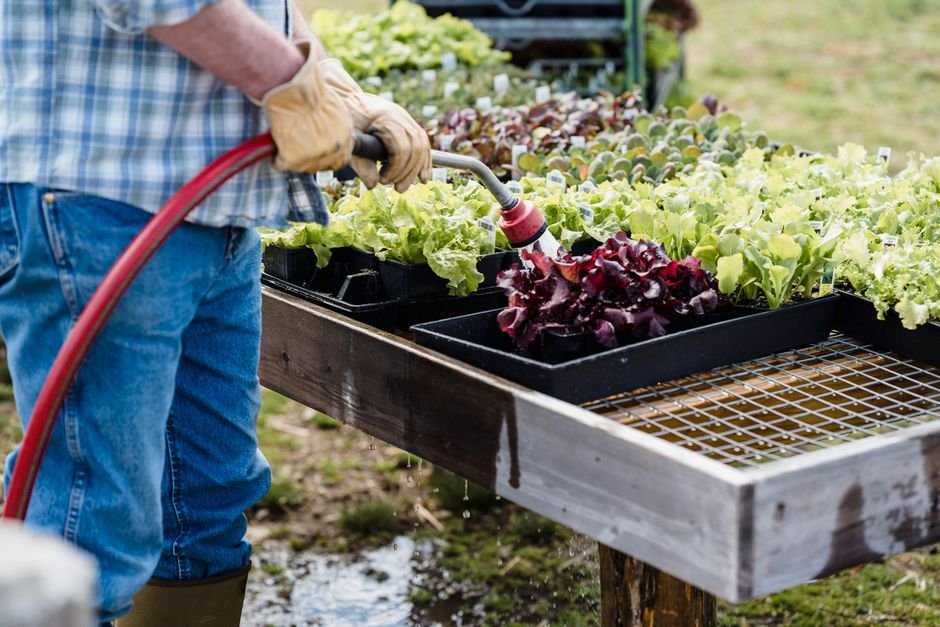
Plan water needs before you plant, not after the first dry week. Figure out how water actually reaches the garden, whether that means a hose, a rain barrel, or carrying cans by hand, and be honest about how much of that you are willing to do in a hot stretch. A survival garden is partly about resilience, so think through what happens if the pump or the power is out for a while. However you deliver water, the goal is to keep plants alive without depending on a system that can fail.
Soil
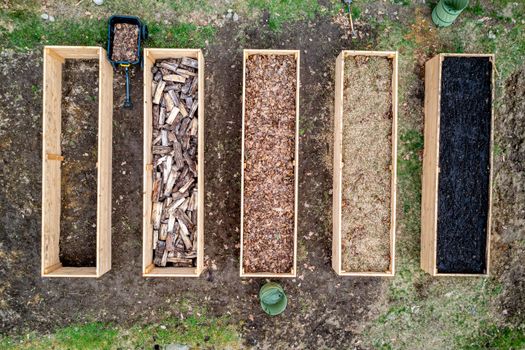
Cultivating soil is the third leg of the foundation. For a beginner, that can mean improving the ground you already have, building up a bed with added material, or growing in containers for a season while the main plot gets better. The growing guide that covers survival garden planning treats soil as a starting decision rather than an ongoing afterthought, and that is the right instinct. Soil is the asset that keeps producing year after year, long after the seed packets are gone.
Think in Layers
Thinking in layers means getting more food out of the same square footage by using the vertical space as well as the ground. Root crops grow below. Fruiting vines climb. Leafy greens fill the gaps. Herbs tuck in along the edges where they are easy to reach.
A classic example of layered planting is the combination that follows Native American growing traditions: corn, pumpkins, beans, and squash in the same patch. Corn provides a stalk for beans to climb, squash and pumpkins spread across the ground and shade out weeds, and the whole planting supports itself. On a smaller scale, the same idea shows up in a single bed where cucumbers trail up a trellis or spill off the side of the box while root crops fill the soil beneath them. Layers are how a small garden behaves like a bigger one.
Choose the Right Survival Crops
Crop selection is where most first-season plans get bloated. The list below groups the crops that come up again and again in survival garden discussions, along with what each group contributes.
Crop group | Examples | What it contributes |
|---|---|---|
Three sisters staples | Corn, beans, squash, pumpkins | A traditional layered planting that produces both food and seed for the next year |
Root crops | Carrots, onions, turnips, beets, radishes | Bulky, filling crops that subsidize the rest of the harvest |
Leafy greens | Leaf lettuce, spinach | Fast, high-volume production from a small footprint |
Familiar fruiting crops | Tomatoes, peppers, zucchini, cucumbers | Food the household already eats without complaint |
Herbs | Basil and similar kitchen herbs | Flavor that makes staple meals repeatable week after week |
Build the Garden Around Food Your Family Actually Eats
One guide makes the point directly: build a survival garden around foods your family will actually eat. That sounds obvious and it is routinely ignored. A bed of something nobody in the house will touch is wasted soil, wasted water, and wasted season. The better screen is to weigh each crop for calories, nutrition, and storage life, then cross off anything that fails the dinner table test. Published crop lists vary widely. One survival garden guide rounds up 27 crops, while homesteading conversations often argue for a much tighter core built on corn, beans, squash, and roots. Both can be right, because the correct list depends on your climate, your storage space, and your cooking.
Survival Garden for Beginners Sample First-Season Planting List
If you want a concrete starting point instead of a theory, one cheap, easy emergency vegetable garden plan lays out a single bed with these plant counts.
Crop | Plants |
|---|---|
Leaf lettuce | 18 |
Spinach | 18 |
Beets | 18 |
Carrots | 32 |
Beans | 18 |
Cucumbers | 2, trained up a trellis or off the side of the bed |
Look at the shape of that list. Most of the plants are greens and roots, which produce steadily and hold value, and only two are space-hungry vines that need room to sprawl. That balance is what makes a single bed feel productive instead of crowded. Scale the numbers up or down to match your household and the size of your plot, and treat the plan as a template rather than a rule. The point of season one is to finish with food, not to plant the perfect garden.
Start Where You Are
Start where you are, with the ground, budget, and hours you already have. A survival garden does not require acreage or a rural property. The plan above was published specifically as a cheap and easy emergency garden, built for people who wanted to grow food without a farm. A few containers, a strip along a fence, or one raised bed all count.
The bigger constraint is usually time, so be realistic about how much weeding and watering you will genuinely do in the middle of summer. It is better to tend a small plot well and expand next season than to plant more than you can defend from weeds and heat. Gardens scale up easily. They rarely recover from being abandoned in July.
Plan, Plant, Harvest, and Store
Survival garden growing guides tend to cover four stages: how to plan, plant, harvest, and store. Beginners usually focus on the middle two and skip the ends. That is backwards. Planning decides whether the season works at all, and storage decides whether the harvest still matters in winter.
Crops chosen for year-round food security are the ones that keep. Root crops and squash are the backbone for exactly that reason. Herbs like basil matter more than beginners expect, because plain staples get old fast and flavor is what keeps a stored food supply edible instead of resented. As you plan the first season, plan the shelf, the drying rack, or the freezer space alongside the beds. If you are unsure how a specific crop should be cured or stored in your climate, check a regional extension service or a local growing guide before harvest day, since those methods vary by location.
Frequently Asked Questions
How big should a beginner survival garden be?
Small enough to maintain and large enough to matter. A single well-tended bed can carry the sample plan of 18 lettuce, 18 spinach, 18 beets, 32 carrots, 18 beans, and 2 cucumbers. Most first-timers overplant and then lose the plot to weeds in midsummer. Pick a size you can water and weed in one sitting, then add a bed each season as your routine holds.
What are the best crops for a survival garden?
Published lists range widely, from a tight core of corn, beans, squash, and roots to a guide that rounds up 27 crops. The safer approach is to weigh each crop for calories, nutrition, and storage life, then keep only what your household will actually eat. Leafy greens, root crops, and squash tend to earn their space in almost any plan.
Can I start a survival garden in containers or on a patio?
Yes. Start where you are is one of the core steps in a sound survival garden plan, and that includes patios, balconies, and small rented yards. Containers limit how much you can grow, so lean toward crops that produce well in tight space and watch the light carefully. Note where sun falls during the day before you commit to a spot.
How do I store what I grow?
Plan for storage before harvest, since curing and keeping methods differ by crop and by climate. Root crops and squash are the classic keepers, and herbs extend the usefulness of plain staples through the winter. If you are unsure how to cure or store a specific crop where you live, confirm the method with a regional extension service or a local growing guide first.