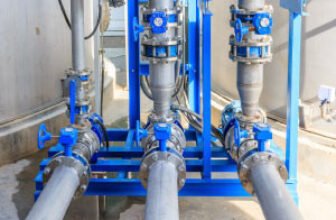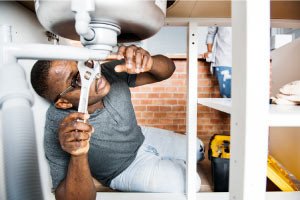
A burst pipe or a failed fixture is one of those problems that gets worse by the minute, and knowing what to do buys you time and saves money. This free Alison course, Introduction to Plumbing, teaches how a plumbing system works, from pipes and fixtures to drainage and safety, across its three main project phases. It costs nothing, and it turns the mysterious tangle behind your walls into something you actually understand.
Why This Matters for Preppers
Clean water in and waste water out are the quiet foundations of a healthy household. When something goes wrong with either, it becomes urgent fast. Understanding your plumbing means you can find the shutoff, diagnose a problem, and handle or contain it instead of standing by helplessly while water damage spreads.
The savings are real, because emergency plumbing calls are expensive and not always available when you need them. Knowing the basics lets you handle simple repairs yourself and, for bigger jobs, understand exactly what a professional is doing and why. That understanding protects your wallet either way, which is practical self-reliance.
This course takes safety seriously, which matters more in plumbing than people expect. It covers workplace safety, personal protective equipment, and the hazards of trench and confined-space work. Even at home, water, drains, and the tools involved carry real risks, and learning the safe way to work is what makes this a genuine skill.
How Plumbing Works
A plumbing system is really two systems: one that brings pressurized clean water in, and one that carries waste water and sewage safely out. The course explains the profession, its history, and the essential terms and tools, so the language of plumbing stops being a barrier. That vocabulary is the key that unlocks everything else.
It then walks through the three main phases of a plumbing project: underground rough-in, above-ground rough-in, and finish. Seeing how a system is built in stages helps you understand what is behind your walls and floors, and why things are arranged the way they are. That mental map is what lets you trace a problem to its source.
Safety runs throughout, from protective equipment to the specific dangers of digging trenches and working in confined spaces. Understanding both how the system works and how to work on it safely is what turns curiosity into a dependable, usable skill.
Consider how much this changes a common household emergency. A leak under the sink or a running toilet is a source of panic for someone who does not understand the system, and a manageable task for someone who does. Knowing where the shutoff valves are, how a trap works, and how a fixture connects means you can stop the water, assess the problem calmly, and either fix it or explain it clearly to a plumber. That composure alone is worth the few hours the course takes.
What You Will Learn
By the end you will understand how residential plumbing fits together. You will be able to:
- Describe the plumbing profession and its history.
- Recall key terms and tools used in plumbing work.
- Explain the three project phases from rough-in to finish.
- Understand pipes and fixtures and how drainage is maintained.
- Apply safety practices including PPE and hazard awareness.
- Recognize confined-space hazards and how they are managed.
Together those skills let you understand your home's water system and approach basic problems calmly and safely.
What the Course Covers
- The profession: plumbing's history, scope, and terminology.
- Tools: the essential plumbing tools and their uses.
- Project phases: underground rough-in, above-ground rough-in, and finish.
- Fixtures and drainage: installation and maintenance basics.
- Safety: PPE, hazard communication, and confined-space work.
Where It Fits in Your Prep
This course sits in the Fix-It Homestead track alongside carpentry, masonry, and welding, and it connects to the Water-Ready side of prepping too, since plumbing is how clean water reaches you and waste leaves. It pairs naturally with the plumbing diploma for more depth, and understanding it makes any water-system project on your property far less intimidating.
It is beginner friendly and suits any homeowner or homesteader who wants to understand their water system and handle small repairs. Knowing where your shutoffs are and how the system flows is valuable knowledge on an ordinary day and genuinely important in an emergency.
It is worth doing one simple thing right after the course: walk your home and find every shutoff, the main valve and the ones at each fixture, and make sure they turn. That small habit, built on the understanding this course gives you, means that when something fails you can stop the water in seconds instead of searching while it spreads. Small preparations like that are exactly where knowledge turns into readiness.
A clear word on limits. This course teaches how plumbing works and safe basic practice, but it does not make you a licensed plumber. Plumbing is tightly governed by local codes and permits, and much work, especially anything tied to the main supply, the sewer, or gas lines, legally requires a licensed professional and inspection. Improper work can contaminate drinking water or cause serious damage, so shut off the water first, know your limits, and call a pro when the job calls for one.
The lessons are free to complete. When you finish, a CPD-accredited certificate is available that you can add to your resume or LinkedIn, and a credential like this can help you enter the trade, support an apprenticeship, or make the case for a raise. Buying the certificate is optional and never required to finish the lessons.
A few hours here leave you understanding the system that keeps your household running and healthy. For a prepper, knowing how your water flows, and how to stop it, is knowledge worth having long before a pipe ever bursts.
Start the free course and earn your certificate.
Looking for more? Browse the rest of the Free Shelf: free Alison courses for preppers.
Some links are affiliate links, and they never change your price. Details: /disclaimer