Batteries are the heart of any off-grid setup, and they are also one of the most misunderstood pieces of gear people own. A boat, an RV, or a backup power bank all rely on the same principles, and getting them wrong can mean dead power at the worst moment, or a real safety hazard. This free Alison course, Marine Electronics: Battery Maintenance and Safety Procedures, teaches battery care and safety in about 4 to 5 hours, at no cost.
Why This Matters for Preppers
Stored power is what keeps the lights on when the grid does not. Whether your batteries live in a boat, an RV, a solar shed, or a portable power station, they need proper care to hold a charge and last. This course was built for marine systems, but the fundamentals of how batteries work, fail, and stay safe apply directly to any off-grid or backup setup a prepper depends on.
Batteries are expensive, so caring for them well is real money saved. A battery that is maintained correctly can last years longer than one that is neglected. Understanding charge, internal resistance, and proper handling means you replace them far less often, which is a meaningful line item in any preparedness budget.
Safety is the other reason this matters. Batteries can deliver a serious shock, vent explosive gas when charging, and hold corrosive acid. The course spends real time on hazards, shock dangers, and rescue procedures, which is exactly the honest, safety-first content that makes battery knowledge a genuine skill rather than a risk.
The marine framing is actually a strength for preppers. A boat is a self-contained off-grid system, so it has to get power storage right with no shore power to fall back on. That is the same challenge a home backup bank or an RV faces, which means the lessons here transfer directly to the setups most preppers are actually building.
How Batteries Actually Work
A battery stores energy chemically and releases it as electric current. The course explains the theory behind the electrolyte solution, how secondary cells (the rechargeable kind) work, and concepts like internal resistance and polarity. Those ideas sound technical, but they are what determine whether a battery charges fully, holds its capacity, and stays safe.
From there it turns practical: the components of a battery, how they work together, and what affects efficiency. You learn why a battery loses capacity over time, how to handle and maintain it, and how to keep a bank healthy. Getting polarity right and understanding charging behavior are the kinds of details that prevent damaged equipment and dangerous mistakes.
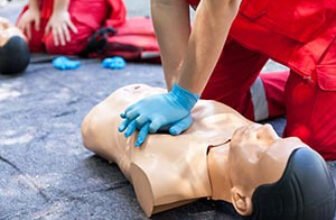
The course also covers electrical hazards and shock dangers directly, along with rescue procedures and basic first aid for a shock victim onboard. Understanding both the chemistry and the danger is what lets you work around stored power confidently and safely.
What You Will Learn
By the end you will understand how to care for and safely handle batteries in a power system. You will be able to:
- Explain electrolyte theory and how secondary cells work.
- Recall internal resistance and polarity and why they matter.
- Describe battery components and their working principles.
- Discuss efficiency and what affects a battery's performance.
- Explain electrical hazards and the dangers of shock.
- Apply safety and first aid including rescue procedures for a shock victim.
Together those skills let you keep a battery bank healthy and handle it safely, which is central to any reliable backup power plan.
What the Course Covers
- Battery theory: electrolyte solutions, secondary cells, and polarity.
- Components and operation: how a battery is built and how it works.
- Efficiency and performance: what makes a battery last or fade.
- Maintenance: handling and care that extends battery life.
- Hazards and safety: shock dangers, rescue procedures, and first aid.
Where It Fits in Your Prep
This course belongs in the Keep the Lights On track, alongside solar, general electrical, and battery technology courses. It is especially valuable if you own a boat or RV, but the lessons transfer cleanly to a home solar bank or a fleet of portable power stations. Pair it with a solar energy course and you have both the generation and the storage side of off-grid power covered.
The course is pitched at an intermediate level, so a little electrical background helps, and an electrical basics course makes a good warm-up. It suits anyone who stores power seriously and wants to do it safely, get the longest life from expensive batteries, and know what to do if something goes wrong.
In a full plan, this knowledge is the bridge between generating power and actually using it. Solar panels or a generator make the energy, but batteries are what hold it for the night, the cloudy week, or the long outage. Caring for that storage properly is what keeps a backup system dependable over the long haul, which is the whole point of building one.
A clear word on safety and scope. This course teaches maintenance and safety principles; it does not replace the manufacturer's instructions for your specific batteries, which you should always follow. Battery work carries real risks from acid, explosive gas, and shock, so wear protection, work in a ventilated space, and get professional help for large systems or anything you are unsure about. Treat the knowledge as a way to work smarter and safer, not a license to take chances.
The lessons are free to complete. When you finish, a CPD-accredited certificate is available that you can add to your resume or LinkedIn, and a credential like this can help you support a marine, technical, or maintenance role, or simply show real initiative. Buying the certificate is optional and never required to finish the lessons.
A few focused hours here leave you far more capable around the stored power your whole plan may one day depend on. For a prepper, that is knowledge worth having long before you need it.
Start the free course and earn your certificate.
Looking for more? Browse the rest of the Free Shelf: free Alison courses for preppers.
Some links are affiliate links, and they never change your price. Details: /disclaimer