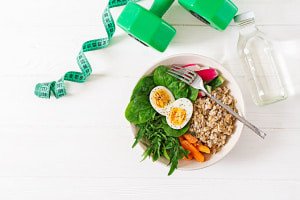
A household is rarely one age and one set of needs, and feeding everyone well takes a little know-how. This free Alison course, Introduction to Diet, Nutrition and Hydration, sits at an intermediate level and covers nutrients, building a balanced diet, dietary needs across different life stages, and why hydration matters more than most people realize. It costs nothing and it applies to real families.
Why This Matters for Preppers
Preparedness means feeding everyone under your roof, and a toddler, a teenager, and an older adult do not all need the same things. This course covers dietary needs across life stages, which is exactly the knowledge that lets you plan food stores and meals that keep a whole household healthy, not just the average adult.
Hydration is the part people forget until it becomes a problem. The course gives it real attention, and understanding water and its role helps you plan for the times when clean water takes effort and staying hydrated is genuinely important to health and function.
Building a balanced diet from stored and limited foods is a skill in itself. Knowing how nutrients fit together lets you assemble meals that hold up nutritionally even when variety is low, which protects health during longer disruptions.
There is a steadiness that comes with this knowledge. When you understand what balanced looks like, you can feed people well without second-guessing every meal, which frees your attention for everything else a hard stretch demands.
Planning for different ages is genuinely practical preparedness. A household that has thought through what its children, adults, and older members each need is far better positioned to keep everyone healthy when food and routines are disrupted.
Feeding a mixed household well is also about dignity and morale, not just calories. When the youngest, oldest, and most active members all get what they need, everyone stays healthier and steadier, which matters enormously when a stressful stretch is testing the whole family at once.
How to Feed a Whole Household
The course works outward from the nutrients themselves to what a balanced diet looks like and how needs shift across life stages. That structure is useful, because it mirrors the real question a household cook faces: what does each person actually need?
Applied to your own family, it becomes a planning tool. You can look at who you are feeding and adjust, making sure the youngest, oldest, and most active members are all covered rather than assuming one plan fits everyone.
The hydration lessons are worth putting into practice directly. Think through how your household would stay hydrated if water took more effort to get, and the course moves from information into a genuine part of your plan.
The hydration lessons are worth turning into a concrete plan. Work out how your household would get and store enough clean water, and how you would keep electrolytes balanced during heat or heavy activity, and the course becomes part of your readiness rather than just background reading.
Turn the life-stage lessons into a quick household audit. List who you feed and note any special needs, then check your food stores against that list, and gaps like too little variety for a child or not enough easy-to-eat food for an older adult become obvious and easy to fix.
What You Will Learn
The course covers what it takes to feed a varied household well. Here is what you will learn:
- The nutrients and what makes up a balanced diet
- The macronutrients and micronutrients the body needs
- How dietary requirements change across different life stages
- How nutrition supports the management of everyday health
- The role of hydration and why it matters
- How to put balanced meals together from what you have
Together, these lessons give you the judgment to feed a household of different ages and needs, and to keep everyone hydrated. That is practical, everyday knowledge that pays off in normal times and matters even more in hard ones.
What the Course Covers
- Nutrients and balance: the nutrients the body needs and what a balanced diet is made of.
- Life-stage needs: how dietary requirements change from childhood through older age.
- Everyday health: how good nutrition supports the body across common health situations.
- Weight and balance: how to think sensibly about balanced intake for different people.
- Hydration: the role of water and why staying hydrated matters more than most assume.
Where It Fits in Your Prep
This course is aimed squarely at feeding real households, which makes it a strong fit for anyone planning food and water for a family rather than just themselves. The life-stage and hydration angles are exactly the gaps a generic nutrition primer leaves open.
It pairs well with a food storage plan and a water-treatment course. This one tells you what people need; those tell you how to store and supply it, so together they cover feeding a household through a disruption.
Overall, this is the nutrition course that thinks in terms of real families rather than a single average adult. That focus makes it especially useful for anyone planning food and water for a household.
This is educational nutrition knowledge, not medical or clinical training. It will not qualify you to treat anyone, and it is not a substitute for a doctor or dietitian, especially for a medical condition, a pregnancy, or an infant’s needs. As an intermediate primer on feeding a varied household well, it is practical and worth the time; for specific medical situations, always work with a professional.
The lessons are free to finish. When you complete the course, a certificate is available that you can add to your resume or LinkedIn, and a credential like this can help you make the case for a job or a raise. Buying the certificate is optional and never required to finish the lessons.
Feeding a whole household well, and keeping everyone hydrated, is real preparedness, and this free course gives you the know-how. Plan for the people you actually feed, and you plan better.
Start the free course and earn your certificate
Looking for more free training like this? Browse the full lineup on our Free Shelf, our hand-picked collection of free Alison courses for preppers.
Some links are affiliate links, and they never change your price. Details: /disclaimer.