Most crops need sun, space, and a long season. Mushrooms need none of that. They grow in the dark, in a closet or a shed, on material you would otherwise throw away, and they add protein and flavor a vegetable bed cannot. This free Alison course teaches the biology and the technique from scratch, no prior experience needed, including the all-important skill of telling edible from not. If you want a food source that fits where nothing else will, read on.
For a self-reliant kitchen, mushrooms fill a real gap. They grow fast, in small spaces, without sunlight, and they turn waste like straw, sawdust, or spent coffee grounds into food. That is a rare combination in home food production.
The catch is safety, and this is exactly where a real course earns its place. Identifying edible mushrooms correctly is not a spot to guess. Learning the biology and a proper identification method is the difference between a great crop and a serious mistake.
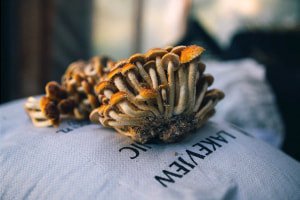
Start with a species that is both easy to grow and easy to identify, like oyster mushrooms, before you branch out. The course gives you the biology to make that call rather than guess at it.
This is an introduction to both cultivation and identification, built for the complete beginner. It covers the biology, the growing process, and, importantly, how to tell edible mushrooms from the ones to avoid. It fits anyone who wants a compact, sunless food source. Treat it as the start of careful practice, not a shortcut to foraging or eating anything you are unsure about.
Why Mushrooms Are Worth Learning
Home mushroom growing has taken off, helped by cheap kits and a wave of interest in producing more food at home. Beyond the trend, mushrooms solve problems other crops cannot: they need no sun, little room, and cheap or free substrate.
For a resilient pantry, that is a genuinely useful skill. A crop you can grow indoors, year-round, from waste material, adds variety and protein to a food plan that might otherwise lean hard on stored staples.
What You Will Learn
- How mushrooms are classified, and why that matters for growing them
- How to tell edible mushrooms from the ones to avoid
- The environmental conditions mushrooms need to thrive
- How to prepare culture media and handle the spawning process
- The composting and substrate steps that feed a healthy crop
What the Course Covers
- Mushroom biology. You begin with taxonomy and classification, the foundation that makes the growing steps make sense rather than feel like a recipe.
- Edible identification. The course teaches the characteristics that separate edible mushrooms from the rest, plus timing for finding them, a safety skill worth taking slowly.
- Growing conditions. Temperature, substrate, and other environmental factors get covered, so you can create the conditions a crop needs.
- Culture media. You learn to prepare culture media, including agar media, subculturing, and supplementation, the clean start a healthy batch depends on.
- Spawning. The spawning concept and process are explained, the step that turns a culture into a growing crop.
- Composting. Composting stages and raw materials round it out, since the substrate is what ultimately feeds your mushrooms.
The Credential and Your Resume
The lessons are free to finish. When you complete the course, a certificate is available that you can add to your resume or LinkedIn, and a credential like this can help you land a job or make the case for a raise. Buying it is optional and never required to finish the lessons.
Final Thoughts
A crop that grows in the dark, in a closet, from what you would have thrown out, is a strange and useful kind of insurance. This course teaches the biology and the safe identification that make it work. Free to learn, careful where it counts, and a food source that fits where nothing green ever could.
Start the free course and earn your certificate
For more free training organized by preparedness skill, browse the Free Shelf.
Some links are affiliate links, and they never change your price. Details: /disclaimer.