By Diane, November 21, 2026
Part of our American Preparedness Statistics 2027 report.
Preparedness Has to Work for the Person Using It
Emergency advice often quietly assumes that everyone can move fast, drive themselves, hear an alert, climb stairs, carry a heavy bag, and juggle several tasks at once with no help. That is not true for every household. Some older adults can do all of those things. Others may need extra time, accessible transportation, medication support, mobility equipment, or a hand from another person. And many people move between those circumstances over the years.
Age by itself does not decide whether someone is prepared. Older adults are not one uniform group, and plenty of them have deep experience, solid resources, and strong support networks. The more useful question is whether a plan fits the actual person: their abilities, their health needs, their living arrangement, their transportation options, and the help they can count on.
The evidence also warns against assuming older adults are simply less prepared. FEMA’s 2024 National Household Survey found that adults age 60 and older reported higher rates than adults ages 18 to 59 for some actions, including having emergency supplies and money set aside. Younger adults reported higher participation in emergency drills. These are separate measures, not an overall preparedness score. The practical gap is usually whether a plan can actually be carried out under difficult conditions.
What the National Evidence Tells Us
FEMA’s 2024 National Household Survey on Disaster Preparedness compared adults ages 18 to 59 with adults age 60 and older. The results show a mixed picture, not a simple ranking.
- Emergency supplies set aside: 67% of adults ages 18 to 59, and 72% of adults age 60 and older.
- Money set aside for an emergency: 58% and 73%, respectively.
- Have an emergency plan: 58% and 52%, respectively.
- Participated in an emergency drill: 27% and 7%, respectively.
- Know their evacuation routes: 49% and 39%, respectively.
- Have a plan to contact family members: 65% and 57%, respectively.
The age groups are not individual profiles. These percentages describe reported actions within each group. They do not tell you why someone did or did not take an action, whether a plan is accessible, or whether it has ever been tested. They should not be mashed into a single score.
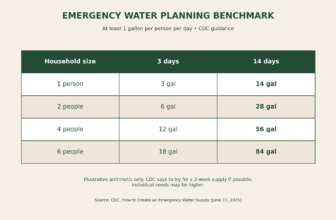
A second source adds detail about people who receive services through programs under the Older Americans Act. In a one-time 2022 emergency-preparedness module of the National Survey of Older Americans Act Participants, 5,136 respondents were asked about specific preparedness resources. Sixty-seven percent reported having three days of food and water, 69% had a way to charge a phone without electricity, and 51% had a battery-powered radio. Thirty-seven percent said their household had a medical device that requires electricity. And although 74% had a list of family, friends, or community organizations, only 37% reported a specific household disaster or emergency plan.
That survey population is not all older Americans. The respondents were clients of Older Americans Act programs, including services such as home-delivered meals and transportation. Keep those findings separate from FEMA’s national age comparison: the two surveys used different populations and different questionnaires.
The lesson is not that older adults are unprepared. It is that a household can have supplies, savings, or contacts and still need to check whether the plan actually works when transportation, mobility, communication, or routine support gets disrupted.
Start With an Honest Assessment, Not Assumptions About Age
A useful plan starts with the individual. Ask what the person can do independently, what takes extra time, what needs equipment, and what someone else normally helps with. The answers will look different for a person who lives alone, someone who shares a home with family, and someone who receives daily in-home services.
- Mobility: Can the person walk to the vehicle or shelter? Are stairs, uneven ground, snow, debris, or long distances a barrier?
- Sensory access: Can the person hear alarms and announcements, read signs, use a phone screen, and understand spoken instructions?
- Communication: Are there hearing, speech, language, memory, or cognitive needs that change how warnings and directions should be delivered?
- Health and equipment: Are medications, oxygen, refrigeration, powered medical devices, mobility aids, or special diets part of daily life?
- Transportation: Is a vehicle available? Can the person get into it and use a seat belt safely? Is there an accessible backup ride?
- Support: Who checks in, provides care, helps with transfers, or assists with daily tasks? What happens if that person cannot reach the home?
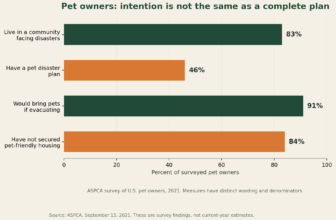
- Pets and service animals: Can they move with the person, and are their supplies and transport part of the plan?
Keep the assessment respectful and specific. Do not assume someone needs help because of their age, and do not assume someone can manage alone just because they always have. Ask the person what works, what does not, and what help they would actually want.
Make the Plan Accessible Before an Emergency

Warnings and Information
A warning only helps if it reaches the person in a form they can receive and understand. Do not lean on a single alert channel.
- Use more than one method where it makes sense: mobile alerts, local radio or television, a weather radio, text or voice calls, and trusted neighbors.
- Keep a written list of local emergency-management contacts, utility numbers, family contacts, and an out-of-area contact.
- Set phone accessibility features in advance: larger text, louder or visual alerts, captions, screen readers, or emergency contacts as needed.
- Ask a trusted person to help test alerts and notification settings, rather than discovering a problem when a real warning arrives.
- Make sure the person knows which sources carry official evacuation instructions and local shelter information.
Transportation and Evacuation
Transportation is one of the most important parts of an evacuation plan, and one of the easiest to overlook. A person can have a destination in mind and still have no reliable way to get there, especially if the roads are jammed, a caregiver is unavailable, or the usual vehicle cannot be used.
- Identify at least two people or services that could provide transportation, and confirm they are genuinely willing and available.
- Talk through accessible vehicles, wheelchair or walker storage, transfer assistance, and any equipment that has to travel with the person.
- Identify more than one destination, including an accessible place outside the immediate hazard area.
- Learn how to request accessible transportation or assistance through local emergency management before an emergency happens.
- Keep the vehicle’s fuel level reasonably high when severe weather or another known threat is approaching, if it is safe to do so.
- Prepare a small go-bag the person can carry, or that a helper can move easily. Do not make it so heavy that the bag itself becomes a barrier.
If authorities order a mandatory evacuation, follow it. If transportation is the barrier, contact local emergency services or emergency management as early as you can. Do not wait until the route is already unsafe.
Caregiving and Backup Support

Many people rely on family caregivers, home-health workers, meal delivery, transportation services, or regular visits from friends and neighbors. The trouble is that the same event affecting the person can knock out those supports too. A caregiver may not be able to travel, a service provider may close, or a road may become impassable.
The 2022 Older Americans Act participant survey put a fine point on this: a contact list was more common than a specific household emergency plan. Names and phone numbers are useful, but a plan also needs clear responsibilities and real alternatives.
- List the tasks the person needs help with each day: meals, medication reminders, bathing, transfers, mobility, equipment, communication, or transportation.
- Name a primary helper and at least one backup. Ask each what they can realistically do and how they will communicate.
- Share essential information, with the person’s permission, including emergency contacts, equipment instructions, and where the supplies are kept.
- Decide how helpers will check in if phone service is disrupted. Agree on a time, a meeting point, or a neighbor who can relay information.
- Ask service providers about their emergency procedures, closures, backup contacts, and how clients will be notified.
- Do not assume a caregiver can reach the home during a widespread event. Build a plan that still works if the usual helper cannot get there.
Medication, Medical Equipment, and Health Continuity
Health needs belong in the plan, but they should not be solved with generic emergency advice. A person’s medication schedule, equipment, oxygen needs, refrigeration requirements, and clinical instructions are individual. The plan’s job is to preserve access to care and avoid unsafe assumptions about what can be delayed, substituted, or stored.
- Keep an up-to-date medication list with names, doses, the prescribing clinician, the pharmacy, and allergies, and keep a copy with your emergency records.
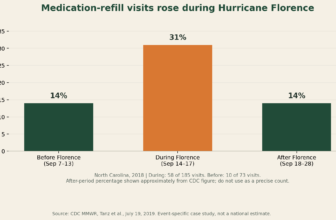
- Ask the prescribing clinician or pharmacist how to plan for refills, disruptions, storage requirements, and traveling with medications.
- Identify which devices need electricity, their power requirements, their battery options, and the manufacturer’s instructions.
- Contact the equipment provider and healthcare team about backup power, maintenance, and what to do if service is interrupted.
- Keep essential equipment manuals, charger details, and contact information together.
- Know where to seek help if the person’s condition changes or the usual care pathway is unavailable.
Do not change medication doses, stop treatment, ration supplies, or substitute equipment based on a general preparedness article. Those decisions need advice from the right healthcare professional. For more, see our separate articles on prescription medication continuity and on power outages and medical preparedness.
Shelter in Place, or Leave?
The safest choice depends on the hazard, the building, the person’s needs, and the support available. Staying home can be reasonable during a short disruption, but it turns unsafe if power, water, temperature control, sanitation, or caregiving support fails. Evacuation also gets harder if it is put off until the roads are crowded or accessible transportation is no longer an option.
Before an event, decide what conditions would trigger a move. Examples: an evacuation order, a forecast that threatens the home, loss of essential medical equipment or power, indoor temperatures that become unsafe, loss of safe water, or the absence of care the person cannot safely do without.
- Identify accessible shelter options and confirm what services they can provide. A general shelter may not be set up for every medical or mobility need.
- Ask about transportation assistance and registration systems for people who may need help during an evacuation. Local programs differ.
- Keep identification, insurance information, medication records, emergency contacts, and relevant care instructions together in a waterproof folder.
- Include mobility aids, chargers, batteries, hearing aids, glasses, assistive communication devices, and service-animal supplies.
- Make sure the person knows how to tell responders about communication, mobility, or medical needs.
Practice Is the Part Many Plans Miss
A written plan can look complete while hiding practical problems. The route includes stairs. The go-bag is too heavy. A phone contact is out of date. The person does not know how to use the backup radio, or cannot reach the emergency supplies without help. You find these things by practicing, not by reading the plan over again.
FEMA’s age comparison showed a sharp difference in reported drill participation: 27% among adults ages 18 to 59, and 7% among adults age 60 and older. That does not explain why the participation differed, and it does not mean every older adult needs the same kind of drill. It does point to the value of practicing the steps that actually matter for the individual.
- Practice receiving a warning and explaining what action it calls for.
- Walk or roll the evacuation route at a comfortable pace, including the path from the home to the vehicle.
- Try loading mobility aids, essential supplies, and pets into the vehicle.
- Test the communication plan and confirm that the backup contact actually answers.
- Practice using the radio, the phone accessibility settings, and the backup charging method.
- Review the plan with caregivers and service providers, and update it when needs or contacts change.
Keep practice safe and adapted to the person. There is no need to simulate a dangerous evacuation or physically wear someone out. The point is to find and fix the barriers while there is still time.
A Simple Preparedness Plan to Complete This Week
- Write down the person’s essential daily needs and the tasks that require help.
- List the equipment, medications, mobility aids, communication tools, and records that must be available.
- Choose two people who can be contacted for help, and confirm their roles.
- Identify two accessible destinations and at least two transportation options.
- Set up multiple ways to receive emergency warnings, and test them.
- Prepare a lightweight go-bag and keep it where it can be reached.
- Ask healthcare providers, equipment suppliers, and service agencies about their emergency procedures.
- Practice one realistic scenario and revise the plan based on what did not work.
For Family Members, Caregivers, and Neighbors
The most useful support starts with listening. Ask what the person wants, what help they already have, and what they would like you to do. Do not take over decisions when you do not need to, and do not share private health information without permission.
- Offer specific help: checking an alert setting, carrying supplies, testing a route, or building a contact list.
- Agree on a check-in schedule and a backup method if the phone network is down.
- Know how to reach emergency services and how to communicate the person’s needs clearly.
- Respect the person’s independence, while recognizing that the level of help needed can change during a disruption.
- Coordinate with other helpers so the plan does not rest on one person alone.
Preparedness Should Preserve Independence, Not Reduce It
Older adults may bring experience, financial resources, established routines, and strong community ties to emergency planning. They may also face barriers tied to mobility, transportation, caregiving, health needs, or access to information. Both of those can be true in the same household.
The national evidence does not support calling older adults uniformly more or less prepared. FEMA’s survey shows that reported actions differ by age and by measure. The Older Americans Act participant study shows that even among people connected to aging services, having contacts and basic supplies does not always mean having a specific, workable emergency plan.
The most valuable plan is the one the person can actually use. It names the support that is needed, confirms who can provide it, includes accessible transportation and destinations, protects the essential health routines, and gets practiced before an emergency. Preparedness has to fit the household, not the other way around.
More From the Preparedness Report
- Prescription Medications During Disasters
- Emergency Communications: Alerts, Radios and Backup Contact Plans
- Power Outages and Medical Preparedness
Related tool: Build the household supply list, with costs, using our Emergency Kit Builder.
Sources and Further Reading
- FEMA, 2024 National Household Survey on Disaster Preparedness.
- Campione and Robinson (2023), Emergency Preparedness Among Clients of Older Americans Act Programs.
- Administration for Community Living, National Survey of Older Americans Act Participants.
- Ready.gov, Make a Plan.
- Ready.gov, Older Adults.
- CDC, Emergency Preparedness and You.
- Administration for Community Living, Disaster Preparedness.