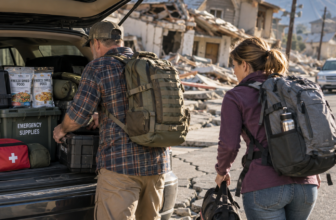
The request that starts most bug out bag builds is rarely dramatic. It usually sounds like a spouse saying she would like the household to have an emergency kit and backpacks ready to go. That is a good trigger, because the work that follows is practical, boring, and completely doable in a weekend.
Our pick for grab-and-go water: a 4-pack of personal water filter straws puts safe drinking water in every bag, car, and kit — see why four beats one.
Here is the no-nonsense version. Set a weight target, pick a pack that fits it, load the categories that keep a person alive and functional for 72 hours, and test the whole thing before you need it. Everything below stays inside that framework.
Start With a Weight Target, Not a Gear List
A bug out bag that doubles as your everyday carry and get-home bag should stay light enough to carry at roughly 10 percent of your body weight. That figure comes from a Green Beret’s one-bag packing framework, and it works because it scales to the person hauling it. A 180-pound adult lands in the neighborhood of an 18-pound bag. A child’s kit is built to a much smaller share, which is why published checklists often split recommendations by men, women, and children instead of offering one universal list.
Weight discipline matters more than gear quantity. A bag you can carry for miles beats a bag that holds more items than your shoulders can tolerate. Weigh the finished kit on a bathroom scale and compare it to your target before you call it done.
Choose a Pack That Fits the Job
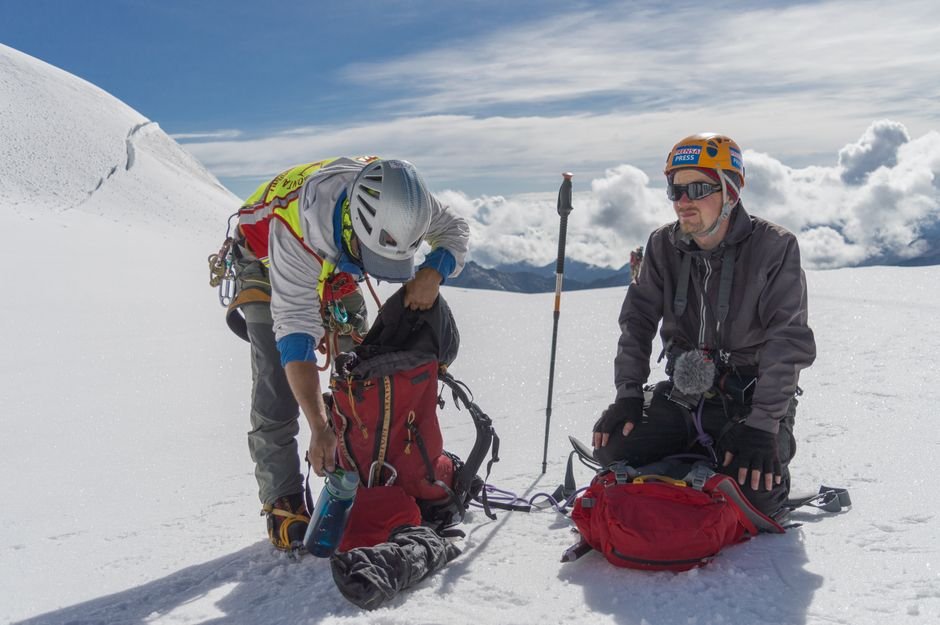
Look for a backpack with at least 20 liters of volume, and accept that a larger pack may be necessary depending on your conditions and the number of people it serves. External pockets are worth prioritizing, since they let you separate frequently used items like a water filter, a headlamp, or a first-aid kit from the main load.
Published build guides go further and include bag recommendations sized for men, women, and children, along with advice on packing order and weight distribution. If you are buying new, that means you can match the harness and torso length to the actual carrier rather than handing everyone the same generic pack.
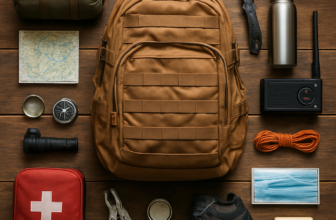
The Core Loadout List
The categories below show up consistently across modern checklists. Treat them as the skeleton of the bag, then adjust quantities to your household size and climate.
| Category | What belongs in it |
|---|---|
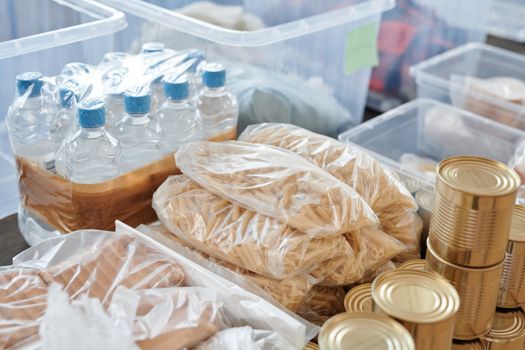
| Water | Water filter and the means to carry and treat water |
| Food | High-calorie food rations |
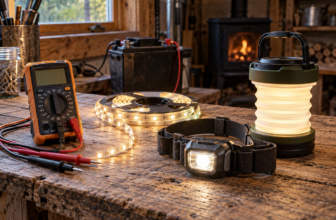
| Fire and light | Fire starter, matches, and lighting |
| First aid and health | Compact first-aid kit, medications, insect protection |
| Shelter and clothing | Blankets, pillows, and weather-appropriate clothing |
| Tools and repair | Multi-tools and repair tape |
| Navigation and documents | Navigation tools and document backups |
| Toiletries | Basic personal hygiene items |
Water
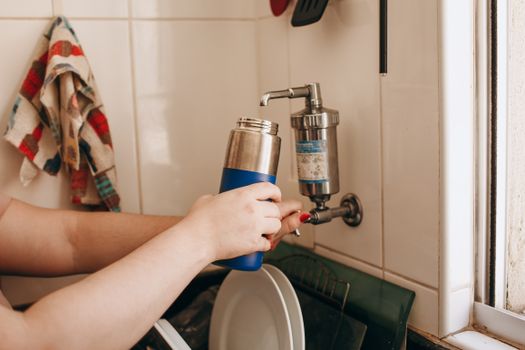
A water filter is one of the three items most often named as a starting point for a new bag, alongside a fire starter and a compact first-aid kit. Plan for treatment first and storage second, and remember that a filter only helps if you also have a way to collect and drink the water once it is clean.
Food
High-calorie food rations are the standard recommendation. The goal is calories that travel well and do not require cooking, because a bag that depends on a stove and fuel adds weight and a step you may not be able to take.
Fire and Light
A fire starter and matches belong in every kit. One widely shared build pairs a mini roll of gorilla tape with a pack of diamond paper matches and a tube of 100 percent DEET bug spray, which shows how small the individual items can be while still covering three different problems. Add lighting so you are not managing a shelter in the dark.
First Aid and Medications
Build around a compact first-aid kit and add your own medications, including anything a household member takes regularly. Insect protection earns its place too, particularly in summer or in wet terrain where biting insects make everything slower.
Shelter, Warmth, and Clothing
Checklists list clothing, blankets, and pillows as must-have gear. A practical clothing baseline from published builds is three pairs of socks, three pairs of underwear, a long-sleeve shirt, and a short-sleeve shirt per person. Shelter and transportation are often treated as one topic in longer bag-building series, because the way you plan to get out of an area shapes what you carry.
Tools, Repair, and Navigation
A multi-tool handles most small jobs. Repair tape covers the rest. Navigation tools matter even with a phone in your pocket, since a dead battery turns a familiar route into an unfamiliar one.
Documents and Toiletries
Document backups and a toiletry kit round out the load. Copies of the paperwork your household needs for identification, insurance, or medical purposes belong in a waterproof pouch, not loose in the main compartment.
The 72-Hour Framework
The most common bug out bag structure runs 72 hours, with some builds stretching to a week. It is designed for short-notice evacuation caused by flooding, fire, hurricane, tsunami, earthquake, or nuclear incidents. The stated must-have gear for that format is clothing, water, medications, toiletries, food, blankets, pillows, lighting, and document backups.
That framing is useful because it forces a decision about scale. A 72-hour bag is not a permanent relocation kit. It is a bridge that keeps you fed, hydrated, warm, and documented until you reach a safer location or services come back online.
Packing and Weight Distribution
Published tutorials cover packing and weight distribution in detail, and the general principle is that you should be able to reach what you need most without unpacking everything. Items tied to immediate survival go where they are accessible. Bulkier, lighter items can fill the space against your back. Heavier items sit close to your spine so the load does not pull you backward.
Build the bag once, then walk it. A mile around the neighborhood in the gear you plan to wear tells you more than any checklist. Adjust straps, remove what you did not use, and repeat until the load feels controlled rather than merely carried.
Building Kits for the Whole Household
A single bag system for one person is a different project than outfitting a family. Published guides separate recommendations for men, women, and children, which is a practical acknowledgment that body size drives both pack volume and total weight. Children can carry lighter kits with their own water, a snack ration, a light layer, and a small light, while adults carry the shared shelter and tool items.
One efficient approach is the one-bag system, where each adult’s bug out bag also serves as their everyday carry and get-home bag. That keeps the gear in daily rotation, which means you notice worn straps, expired medications, and missing items long before an evacuation order arrives.
Sourcing Gear Without Overspending
Bug out bag gear is rarely bought in one trip. Water filtration, lighting, first aid, and food rations all show up in seasonal sales, and buying one category at a time spreads the cost across months. Watching deal aggregators for discounts from Amazon, Walmart, Target, eBay, and specialty outdoor and freeze-dried food retailers is how many households fill a bag without paying full retail on every item.
Build a written list before you shop. Sales are only useful when they match a category you have already decided to fill, otherwise you end up with duplicates and a heavier bag.
Mistakes to Avoid
- Buying gear and never testing it. Open the packaging, use the filter, light the fire starter, and sleep in the shelter at least once.
- Ignoring weight. Ten percent of body weight is the target that keeps the bag practical.
- Building one bag for a household that needs several. Split the load and the responsibility.
- Forgetting the boring items. Medications, toiletries, and document backups are on the must-have list for a reason.
- Letting the bag sit untouched. Seasonal review keeps food, batteries, and medications current.
Frequently Asked Questions
What is a 72-hour bug out bag?
It is a bag built to support one person for roughly three days during a short-notice evacuation. The standard list covers flooding, fire, hurricane, tsunami, earthquake, and nuclear incidents, and includes clothing, water, medications, toiletries, food, blankets, pillows, lighting, and document backups. Some builds extend the duration to a week, but 72 hours is the common baseline.
How much should a bug out bag weigh?
A one-bag system should stay light enough to carry at about 10 percent of your body weight. That guideline comes from a Green Beret’s packing framework and scales naturally across adults and children. Weigh your finished kit and trim items until it lands near that target, because a bag you cannot carry for a few miles is not useful.
How big should the backpack be?
Choose a pack with at least 20 liters of volume, and go larger if your conditions or household size require it. External pockets are a practical feature because they keep frequently used items like water treatment and first aid within reach. Published guides include pack recommendations tailored to men, women, and children.
What are the first items to buy?
A fire starter, a water filter, and a compact first-aid kit are the three items most often recommended as a starting point. From there, add high-calorie food rations, navigation tools, and a multi-tool. Building in that order keeps the bag functional early instead of waiting until every category is complete.
How much cash should go in a bug out bag?
There is no single figure that fits every household, and the checklists reviewed here do not specify an amount. Treat it as a personal decision based on your route, your destination, and what you can afford to set aside. Small bills are easier to use when power or card readers are down, so keep the amount modest and stored waterproof.