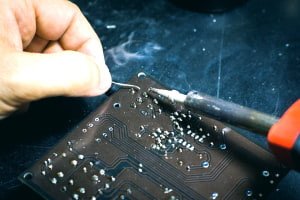
A broken wire, a loose connection, a dead battery terminal: a lot of gear that gets thrown away could be brought back with a five-dollar repair and a steady hand. Soldering is that skill. This free Soldering Electric Components Like An Expert course from Alison takes about 1.5 to 3 hours at a beginner level and teaches you to join electrical parts properly, choose the right tools, and tell a solid joint from one that will fail when you need it most.
Why this matters now
When supply chains stretch and replacements are slow or costly, the ability to fix beats the ability to buy. Soldering is one of the highest-value repair skills you can pick up in an afternoon. It lets you mend charging cables, splice wiring, repair a solar controller lead, or salvage a device that would otherwise be landfill.
It is also a building skill, not just a repair one. Once you can solder cleanly, you can assemble kits, wire your own projects, and make connections that survive vibration, weather, and time. For a self-reliant home, that is a small skill with an outsized return.
The barrier to entry is low, which is the best part. A basic iron, some solder, and a little practice put this skill within anyone's reach in a single afternoon, and the tools cost less than one gadget you would otherwise throw away and replace.
How soldering actually works
Soldering joins two metal parts by melting a filler metal, the solder, into the gap so it flows, cools, and locks them together. The trick is heat control and cleanliness. Too little heat gives you a weak, grainy joint that cracks; too much damages the part. Clean, tinned surfaces let the solder flow the way it should.
The course demystifies all of it. You learn what tinning means, why cleaning your iron matters, and how to read a finished joint. A good joint is smooth and shiny; a cold or defective one looks dull and lumpy, and now you will know the difference on sight.
What it is, and what it is not
This is a focused beginner course about the craft of soldering itself, not a full electronics-design program. That focus is the point: it does one useful thing and teaches it well. It suits anyone who wants a practical repair skill, from the prepper patching gear to the hobbyist building projects. Pair it with the wiring course if you want the broader electrical picture around it.
What You Will Learn
- How to choose the correct soldering iron for the job in front of you
- The tools you need to work safely and produce professional results
- The full soldering process, step by step, from cold iron to finished joint
- How to recognize a good soldering joint and spot a defective one
- What tinning is and how cleaning your iron keeps your work clean
What the Course Covers
- The right iron: how to identify the correct soldering iron for the work you are doing.
- Your toolkit: the tools that keep you safe and let you do professional-grade work.
- The process: a clear summary of the soldering process from start to finish.
- Judging joints: how to tell good soldering joints from defective ones.
- Tinning: what tinning is and why it makes solder flow properly.
- Iron care: the cleaning process that keeps your soldering iron working well.
- Technique: the proper soldering techniques that produce strong, lasting joints.
- Safety: the safe-handling habits that protect you and your components.
The lessons are free to finish. When you complete the course, a certificate is available that you can add to your resume or LinkedIn. A credential like this shows real, practical knowledge, and it can help you land a job or make the case for a raise. Buying the certificate is optional and is never required to finish the lessons.
Final Thoughts
Soldering is one of those quiet skills that pays you back for years. An afternoon of practice turns a drawer of broken cables and dead gear into things you can actually fix. In a prepared home, being the person who can repair the connection instead of replacing the whole device is a genuinely useful place to stand.
Start the free course and earn your certificate.
For the whole library, browse the Free Shelf, our roundup of free Alison courses for preppers.
Some links are affiliate links, and they never change your price. Details: /disclaimer.