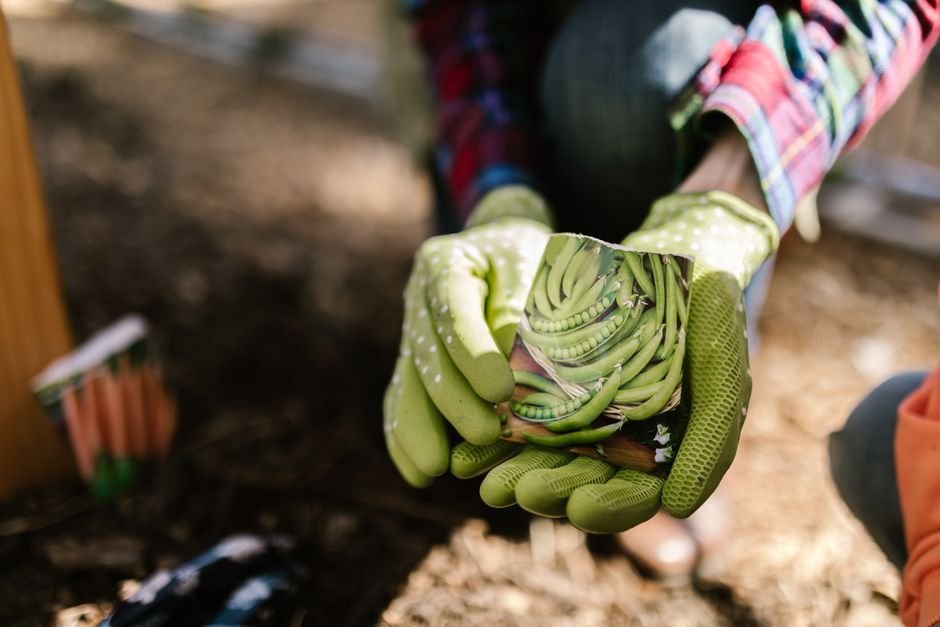
Half-used seed packets multiply. You buy four varieties one spring, add a few more the next, and before long there is a shoebox or a plastic tote holding envelopes with dates fading off the corners. Throwing them out feels wasteful, but planting dead seed feels worse. You do not have to guess. Seed longevity follows fairly predictable patterns by crop type, and a simple test at the kitchen counter can tell you whether a packet is worth planting.
The short answer is that most garden seeds last a couple to several years when they are kept cool and dry. Stretch that window with good storage, shrink it with a hot garage shelf, and check the specific crop before you assume the worst about an older packet.
Seeds Do Not Expire, They Lose Viability
There is no hard expiration date stamped into a seed’s biology. Seeds lose viability when they are stored improperly, not because a calendar flipped. That distinction matters because it explains why two packets bought on the same day can behave completely differently a few years later.
Seed companies commonly advise replacing seeds every two to three years, and that guidance is a safe default for a business that wants customers to succeed. It is also conservative. Plenty of seed stays productive well past that mark, and some varieties stay productive for a very long time when conditions are right.
Typical Storage Life by Seed Type
Longevity varies widely between crops. Onion seed is the classic short-lived example, while beans sit at the opposite end of the spectrum. Broad categories help when you do not have a chart for a specific variety.
Crop or category | Typical storage life |
|---|---|
Onion | About one year |
Muskmelon | About five years |
Beans | Among the longest storing seeds, with some reported to sprout after a century in ideal conditions |
Vegetable seeds generally | 3 to 6 years |
Fruit seeds | 2 to 6 years |
Herb and flower seeds | 1 to 3 years |
Some cultivars behave differently inside the same crop. Individual varieties may last several years while others lose viability within a year, so treat any table as a starting point rather than a rule. If a variety is rare, expensive, or hard to replace, test it rather than trusting a general number.
What Storage Conditions Do to Your Seeds
Two things drive seed decline: warmth and moisture. Most seed will last a couple to several years, but that assumes it is kept cool and dry. A plastic tote sitting at room temperature is better than a paper envelope on a sunny windowsill, but it is not ideal storage on its own. If the tote is sealed and the seeds went in slightly damp, it can hold humidity in. If the tote lives in a garage or shed, it swings through temperature extremes all summer and back down again in winter.
A cool, dry place is the goal. Basements, interior closets, and the back of a refrigerator are the kinds of spots gardeners use for longer storage. Beans, like the Chocolate Runners, are among the longest storing seeds, often sprouting after a century in ideal storage conditions, which shows how much the environment matters compared with the age of the seed.
Your own tote is not a lost cause. Check where it sits, whether the seeds are fully dry, and whether the container traps moisture. Moving it somewhere cooler and drier is one of the cheapest improvements you can make to next year’s garden, and it costs nothing but a few minutes of rearranging.
A Simple Viability Test for Old Seeds
You do not need lab equipment to find out whether a packet still has life. A damp paper towel, a plastic bag, and a warm spot will answer the question in a few days for most crops.
-
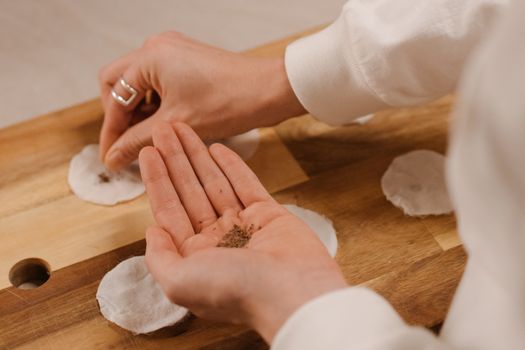
Count out a set number of seeds from the packet. Ten makes the math easy. Knowing how many you started lets you turn the result into a percentage instead of a vague impression.
-
Moisten a paper towel so it is damp but not dripping, and spread the seeds across it with a little space between them.
-
Fold the towel over the seeds and slide it into a plastic bag or a shallow container. Label it if you are testing more than one variety at once.
-
Put it somewhere warm and out of direct sun, and check it daily so the towel does not dry out. Remoisten as needed.
-
Count how many seeds sprout, then divide that number by the number you started with.
Germination speed varies by crop. Some seeds push out a root in a couple of days, while others take a week or more. Do not abandon a test early just because nothing has happened yet. Keep the towel damp and give the batch a fair chance before you judge it.
How Long Do Garden Seeds Last in Storage? Reading the Results
The percentage gives you a practical plan rather than a yes or no answer. A packet that germinates at half its original rate is still worth planting, as long as you adjust how you sow it.
-
Most of the seeds sprout: the packet is in good shape. Plant as you normally would.
-
About half sprout: the seed is still usable. Sow more thickly than usual and plan for a thinner stand.
-
A few sprout: treat it as a limited supply. Use it for a small planting, or rely on it only where a thin stand is acceptable.
-
None sprout: the seed has lost viability. Replace the packet rather than gambling a whole garden bed on it.
A few seeds that never sprout is normal even in fresh packets. Some seeds also have hard coats or natural dormancy that slows germination, so check the seed company’s guidance for that specific crop before you write off a slow result. If you tested in a cold room, that alone can stall a batch that would otherwise sprout fine.

Why Testing Pays Off for Preparedness Gardeners
For anyone keeping seeds as part of a pantry or supply plan, a viability test is a form of inventory control. Seed stored for an emergency is only useful if it grows when you finally need it, and the only way to know is to test before that moment arrives.
Testing also protects your budget. Packets you already own do not need to be replaced if they still germinate, and knowing which types fade fastest tells you where to spend. Onion seed, with roughly a year of shelf life, is the one to buy fresh each season. Beans can sit for years and still perform. That difference alone can shape how you build a seed stockpile.
Run a quick test on any packet older than a couple of seasons, especially before a spring planting you are counting on. It takes a few minutes and a paper towel, and it replaces hope with information you can actually plan around.
Frequently Asked Questions
Do garden seeds ever go bad?
Yes, in a practical sense, though not on a fixed schedule. Seeds do not expire the way food does. They lose viability when stored improperly, and warmth, moisture, and temperature swings speed that decline. A packet kept cool and dry can stay useful for years, while the same packet in a humid garage may fail within a single season.
Are seeds still good after 5 years?
Often yes, depending on the crop. Vegetable seeds commonly stay viable for three to six years, fruit seeds for two to six years, and herb and flower seeds for one to three years. Beans are among the longest storing seeds. Onion seed is the opposite case at about a year. Test before planting.
Will 10 year old seeds still grow?
Some will, and some will not. Longevity depends on the crop and on how the seed was stored for that decade. Ten-year-old beans kept cool and dry have a real chance, while ten-year-old onion seed is unlikely to germinate well. A paper towel test of ten seeds will show you what percentage is still alive.
Are 20 year old seeds still good?
Occasionally, but do not count on it. Very old seed can still sprout when it has been kept cool and dry the entire time, and some beans have been reported to sprout after a century under ideal conditions. For a 20-year-old packet, run a germination test before you plan a planting around it.