What if your fish could fertilize your vegetables, and your vegetables could clean the water for your fish? That is aquaponics, and it is one of the most elegant food-producing systems there is. This free online hydroponics and aquaponics course from Alison explores both soilless methods in about 4 to 5 hours at an intermediate level. It covers the principles, the system types, and the sustainability of growing food without soil. For a prepper drawn to self-contained, resource-efficient food systems, this is a fascinating and practical study.
Why This Matters for Preppers
The most resilient food systems are the ones that recycle their own resources, and aquaponics is a standout example. It combines raising fish with growing plants in one loop: the fish waste feeds the plants, and the plants filter the water for the fish. That closed loop produces both protein and vegetables from one system, using very little water, which is a remarkably self-contained way to feed a household.
The self-reliance angle is efficiency and independence. Soilless systems let you grow where there is no good soil, use a fraction of the water of traditional gardening, and, in aquaponics, produce fish and vegetables together. Understanding these methods gives you options for producing food in tight spaces, poor-soil areas, or water-limited situations, which broadens your food self-reliance well beyond a conventional garden.
There is a budget and sustainability angle. These systems recirculate water and nutrients, cutting ongoing waste, and aquaponics in particular can be very productive for its footprint once established. This course helps you understand the tradeoffs, the advantages and the disadvantages, so you can decide whether and how to invest, and it is free, so the education that informs that decision costs nothing.
And these modern methods are compelling to share and build together. An aquaponics system is the kind of project a prepared community can rally around, producing food in a way that feels almost magical once you see it work. Understanding the principles makes you a knowledgeable guide for anyone in your circle curious about soilless, sustainable growing.
How Soilless Systems Work
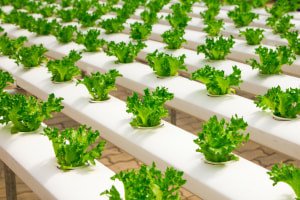
Soilless cultivation delivers nutrients to plant roots directly through water, skipping the soil entirely. In hydroponics, you add measured nutrients to the water. In aquaponics, fish provide those nutrients naturally: their waste is converted by helpful bacteria into forms plants can use, the plants take up those nutrients and clean the water, and the clean water returns to the fish. It is a small ecosystem you manage, balancing fish, bacteria, and plants.
This course surveys the range of these systems. It covers the basic principles of soilless cultivation, the advantages and disadvantages of hydroponics, the different system types including wick systems and aeroponics, and how aquaponics works and its environmental and sustainability impact. It gives you the conceptual map of soilless growing, so you understand not just one setup but the whole family of methods and where each fits.
What You Will Learn
This is an intermediate overview of soilless growing methods. The main outcomes include:
- Understand soilless growing: learn the basic principles of cultivation without soil.
- Weigh hydroponics: recognize its advantages and disadvantages.
- Know the system types: explain the different soilless cultivation systems.
- Understand aquaponics: see how fish and plants work together in one loop.
- Judge sustainability: classify the environmental impact of these methods.
- Learn wick and aeroponics: understand wick systems and aeroponics processes.
Together these give you a clear map of soilless food production and its most efficient forms. That understanding opens up ways to grow food that a soil garden alone never could, which is a valuable expansion of any food-security plan.
What the Course Covers
- Soilless principles: the basics of growing without soil.
- Hydroponics: advantages, disadvantages, and system types.
- Aquaponics: combining fish and plants in one loop.
- Sustainability: the environmental impact of these methods.
- Wick systems: simple passive soilless growing.
- Aeroponics: growing with roots in a nutrient mist.
Where It Fits in Your Prep
This course broadens the soilless side of your food growing beyond a single setup. Use it to decide which method fits your goals: simple hydroponics for fresh greens, or aquaponics if you want fish and vegetables from one integrated system. It pairs directly with the home hydroponics course, which goes deeper on building a practical hydroponic farm, while this one gives you the wider map including aquaponics and aeroponics.
It also connects to the fish farming course on the Free Shelf, since aquaponics blends aquaculture with growing, and to the broader gardening and homesteading courses. Together they let you design a food system that recycles its own resources, which is exactly the kind of efficient, resilient production a prepared household values.
What This Course Is and Is Not
This is an intermediate overview that surveys soilless methods and the principles behind them, rather than a step-by-step build guide for one system. It is conceptual grounding, so pair it with the practical home hydroponics course for hands-on construction. It suits growers curious about the full range of soilless and integrated systems, especially aquaponics, rather than someone who only wants a single how-to. Aquaponics in particular takes patience to balance well.
The lessons are free to finish. When you complete the course, a certificate is available that you can add to your resume or LinkedIn, and a credential like this can help you make the case for a job or a raise. Buying the certificate is optional and is never required to finish the lessons.
Final Thoughts
A system where fish and plants sustain each other is one of the most elegant answers to growing your own food, and it is genuinely achievable. This course opens up that world, from simple hydroponics to full aquaponics. For a prepared household drawn to efficient, self-contained food production, it is a fascinating and practical study, and it is free to explore.
Start the free course and earn your certificate.
Looking for more like this? Browse the Free Shelf, our growing shelf of free Alison courses for preppers.
Some links are affiliate links, and they never change your price. Details: /disclaimer