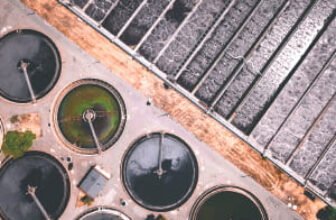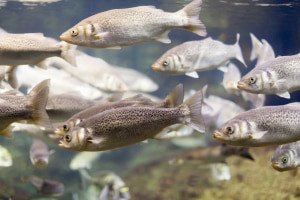
Raising your own fish sounds ambitious, but it is one of the most efficient ways to produce protein at home, and it fits beautifully with growing plants. This free online fish farming course from Alison covers the essentials of aquaculture in about 1.5 to 3 hours at an intermediate level. It covers fish nutrition, breeding, health, biology, and managing ponds, tanks, and cages. For a prepper thinking beyond the garden toward a complete food supply, farmed fish add a valuable source of protein.
Why This Matters for Preppers
Protein is often the hardest part of home food production, and fish are among the most efficient animals at converting feed into food. A well-managed pond or tank can produce a steady protein supply in a compact space, and fish farming pairs naturally with plant growing through aquaponics. For a prepared household aiming at a complete, self-produced diet, aquaculture fills an important gap.
The self-reliance angle is a renewable protein source you control. Once you understand fish nutrition, breeding, and health, a fish system can sustain and even reproduce itself, giving you ongoing food rather than a one-time harvest. That is the difference between catching fish and farming them, and it is a genuine step up in food independence.
There is a real budget and efficiency angle. Fish convert feed to edible protein very efficiently, and a home system can be built at modest scale. The course covers management approaches for ponds, tanks, and cages, so you can match the method to your resources, and it looks at fish farming in developing regions, where low-cost, practical methods are the norm. The course is free.
And aquaculture knowledge rounds out a food-producing community. Fish farming is less common than gardening or poultry, so someone who understands it adds a distinctive capability, especially where water is available. Combined with aquaponics, it lets a community produce protein and vegetables together, which is a powerful piece of local food resilience.
How Fish Farming Works
Fish farming means raising fish in a controlled environment, a pond, tank, or cage, and managing their food, water, and health so they grow well. The keys are feeding them the right diet, keeping the water clean and well-oxygenated, preventing disease, and choosing species suited to your climate and system. Done well, a system produces a reliable harvest and can breed the next generation, sustaining itself over time.
This course teaches those fundamentals. It covers fish nutrition and feeding methods, the history and evolution of fish farming, breeding patterns and genetics, and the practices that keep fish healthy versus those that spread disease. It also covers fish biology, physiology, and behavior, and the management approaches for cages, ponds, and tanks. It is a practical grounding in producing fish as food, at whatever scale suits you.
What You Will Learn
This is a practical, intermediate introduction to aquaculture. The main outcomes include:
- Feed fish well: understand fish nutrition and feeding methods.
- Understand breeding: learn fish breeding patterns and genetics.
- Keep fish healthy: distinguish practices that promote health from those that cause disease.
- Know fish biology: understand fish physiology and behavior.
- Manage systems: handle cages, ponds, and tanks.
- Learn from practice: review fish farming in developing regions and its regulation.
Together these skills let you raise fish as a renewable protein source, on its own or as part of an aquaponics system. That home-produced protein is a valuable and often-overlooked piece of a complete food-security plan.
What the Course Covers
- Fish nutrition: diets and feeding methods.
- Breeding and genetics: reproduction and stock.
- Fish health: promoting health and preventing disease.
- Fish biology: physiology and behavior.
- System management: ponds, tanks, and cages.
- Fish farming in practice: methods and regulation worldwide.
Where It Fits in Your Prep
Fish farming adds a protein dimension to the food-growing side of your preparedness. Use this course to decide whether a pond, tank, or aquaponics setup fits your situation, and to learn the fundamentals of keeping fish healthy and productive. Start at a scale that matches your space and water, then grow the system as you gain experience. Even a single small tank teaches you the daily rhythm of feeding and water care that every larger system depends on.
It pairs directly with the hydroponics and aquaponics course on the Free Shelf, since aquaponics unites fish and plants in one loop, and with the animal nutrition course for feeding. Together with your gardening and poultry, it helps build a well-rounded, self-produced diet, which is the ultimate goal of food-focused preparedness. Whether you start with a modest tank or a full aquaponics loop, beginning small lets you learn the water chemistry and feeding rhythm without much risk, then scale the system up once it is running reliably.
What This Course Is and Is Not
This is an intermediate introduction to the essentials of aquaculture, covering the knowledge rather than a full build guide for one system. It is educational grounding, not a substitute for local regulations on fish keeping and water use, which vary widely and matter here. It suits growers ready to add protein production to their plans, especially alongside aquaponics, rather than someone focused only on plants. Check local rules before setting up.
The lessons are free to finish. When you complete the course, a certificate is available that you can add to your resume or LinkedIn, and a credential like this can help you make the case for a job or a raise. Buying the certificate is optional and is never required to finish the lessons.
Final Thoughts
Fish quietly solve one of the hardest parts of feeding yourself: a steady, efficient source of protein. This course teaches the essentials of raising them, on their own or paired with plants. For a prepared household working toward a complete, self-produced diet, aquaculture is a valuable skill, and this grounding is free to gain.
Start the free course and earn your certificate.
Looking for more like this? Browse the Free Shelf, our growing shelf of free Alison courses for preppers.
Some links are affiliate links, and they never change your price. Details: /disclaimer