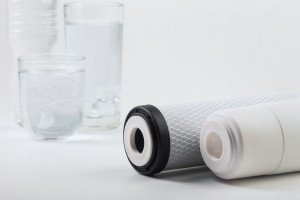
Ever wonder how water gets from a river to a safe glass at your tap? This free Alison course, Effective Water Treatment Methods, covers exactly that: assessing water quality, how municipal potable-water and wastewater plants work, distribution systems, and safe sludge disposal. Understanding the full journey helps you appreciate what it takes to make water safe, and how to think about it when the tap stops running.
Why This Matters for Preppers
Most people have no idea how much work goes into the water they drink, and that ignorance becomes dangerous the moment the tap fails. Understanding the treatment process helps you grasp both how fragile that system is and how to think about water when you are on your own.
This course covers water quality assessment, which is genuinely useful knowledge. Knowing what makes water safe or unsafe, and how quality is measured, helps you judge a source and decide how much treatment it needs before you would trust it.
Seeing how municipal systems work at scale teaches principles you can apply at home. The same stages that clean a city’s water, screening, settling, filtering, disinfecting, are the logic behind making any questionable water safe.
The wastewater side matters too. Understanding how used water is treated helps you think about sanitation and water reuse in a disruption, which is a part of water planning that most people overlook entirely until it becomes a problem.
Understanding distribution systems adds another layer. Knowing how water is moved and stored helps you think about your own storage and delivery when the usual infrastructure is not available to do it for you.
Finally, this knowledge builds healthy respect for water infrastructure. Appreciating how much keeps clean water flowing helps you take storage and treatment seriously before an emergency ever tests your plan.
How Water Travels From Source to Tap
The course follows water through the whole system: assessing its quality, treating it at a potable-water plant, distributing it, and treating the wastewater that results, including disposing of sludge safely.
The organizing idea is that safe water is a process, not a single step. Each stage removes different hazards, and understanding the sequence helps you see why skipping steps, or trusting untreated water, is so risky.
At home, the same principles guide your approach: judge the source, clarify and filter, then disinfect, and handle wastewater and sanitation thoughtfully so you do not contaminate your clean supply. The course gives you the system-level view to plan well.
Keep it paired with proven methods. Understanding municipal treatment is valuable, but at home safe water still comes from boiling, proper filtration, or correct chemical treatment, used the way they are designed to be used.
What You Will Learn
The course covers the full journey of water through a treatment system. Here is what you will learn:
- How to assess water quality
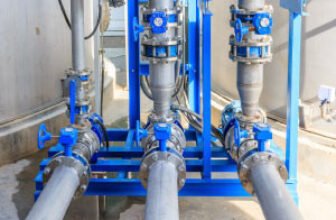
- How municipal potable-water systems work
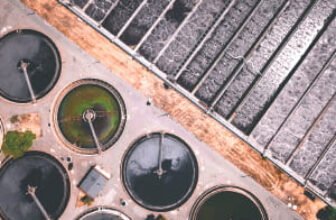
- How wastewater treatment plants operate
- The water quality standards that define safe water
- How water distribution systems move and deliver water
- How sludge is disposed of safely
- The wider significance of clean water
Together, these lessons give you a source-to-tap understanding of how safe water is produced and delivered. That system-level view sharpens every decision you make about storing, sourcing, and treating your own water.
What the Course Covers
- Water quality: how water quality is assessed and the standards that define safe water.
- Potable-water treatment: how municipal plants turn raw water into safe drinking water.
- Wastewater treatment: how used water is cleaned and why it matters for sanitation.
- Distribution: how water is moved, stored, and delivered through a system.
- Sludge disposal: how the solids left by treatment are handled safely.
Where It Fits in Your Prep
This course gives the Water-Ready track its big-picture, system-level view, complementing the chemistry-focused treatment course with a look at how whole water systems work. Together they cover water from the molecule to the municipal plant.
It pairs well with hands-on storage and filtration gear and with sanitation planning. Understanding the full system helps you see where your own setup fits and what you need to replace when the infrastructure is gone.
Take it alongside the core purification course to round out your understanding, then translate the principles into a practical home water plan with real equipment.
Bottom line for a prepper: knowing how water reaches your tap teaches you exactly what you have to replace when it stops. This free course gives you that map, so build your storage, treatment, and sanitation plan with the whole system in mind.
This is educational and engineering-oriented knowledge, not a substitute for proven water-treatment methods or public-health guidance. Making water genuinely safe to drink relies on established methods like boiling, correct filtration, or proper chemical treatment, so use the course to understand the science and pair it with tested methods rather than improvising. It is oriented to municipal and civil-engineering systems, so translate the principles to your home scale with proven methods. On those terms, it is genuinely useful for preppers who want the whole-system view of water.
The lessons are free to finish. When you complete the course, a certificate is available that you can add to your resume or LinkedIn, and a credential like this can help you make the case for a job or a raise. Buying the certificate is optional and never required to finish the lessons.
Clean water at the tap is a quiet marvel most people never think about, and understanding it shows you exactly what to plan for when it fails. This free course maps the whole journey. Learn the system, and plan your own water with clear eyes. The more you understand about the system that normally delivers your water, the better you can recreate its essential steps, judging the source, clarifying, filtering, and disinfecting, when that system is no longer there to do the work for you. That system-level clarity is exactly what separates a household that merely stores water from one that can keep producing it.
Start the free course and earn your certificate
Looking for more free training like this? Browse the full lineup on our Free Shelf, our hand-picked collection of free Alison courses for preppers.
Some links are affiliate links, and they never change your price. Details: /disclaimer.